Introduction
Patients often hear that a dental implant is a “permanent” solution for missing teeth. In reality, implant longevity is influenced by biological, surgical, and lifestyle factors. This article clarifies what permanent truly means and explains what patients seeking dental implants in Montreal can realistically expect from their treatment.
What Does “Permanent” Really Mean?
A dental implant is an artificial titanium root inserted into the jawbone to support a crown, bridge, or other prosthesis. Thanks to osseointegration—the fusion between bone and the implant—success rates exceed 90–95% after 10–15 years when surgery and follow-up care are properly managed.
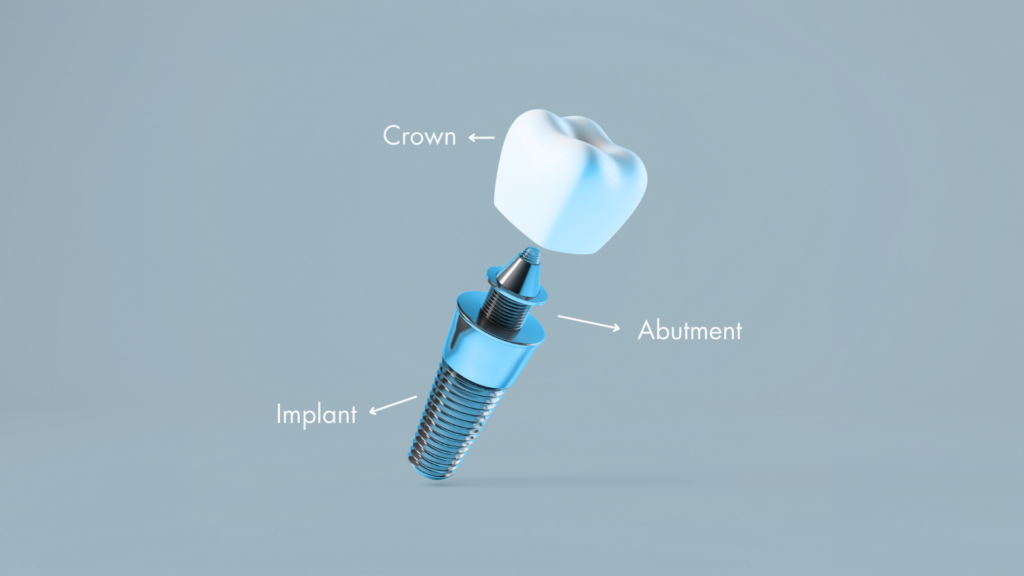
It’s important to differentiate the components:
- The implant (titanium post): designed to remain for decades, often for life.
- The abutment: connects the implant to the prosthesis and may require replacement over time.
- The crown or prosthesis: subject to wear; typically lasts 10–20 years depending on habits and materials.
What Determines the Lifespan of Dental Implants?
The durability of dental implants depends on the patient’s health, surgical precision, ongoing maintenance, and bone quality.
General and Oral Health
Poorly controlled diabetes, inflammatory conditions, and compromised healing can slow osseointegration. Gum health is equally crucial: chronic infection increases the risk of implant complications.
Surgical Expertise
Implant placement is a specialized procedure. Success relies on:
- Precise implant positioning
- Adequate bone volume
- Proper distribution of chewing forces
- Evidence-based surgical protocols
The choice of implant material and surface also affects long-term stability.
Lifestyle Factors and Hygiene
Smoking significantly reduces implant success rates by diminishing blood flow and slowing healing. Good daily oral hygiene—thorough brushing and flossing—is essential for keeping tissues healthy.
Other factors influencing longevity include:
- Bruxism (teeth grinding)
- Excessive chewing forces
- Poor diet or acidic habits
Causes of Implant Failure
Although dental implants in Montreal are highly reliable, complications can occur. Failures are generally categorized as early or late.
Early Failures
These occur before full osseointegration and may result from:
- Insufficient initial implant stability
- Postoperative infection
- Healing issues related to health conditions
If an implant fails early, it is removed, the bone is allowed to heal, and treatment can often be restarted later.
Late Failures
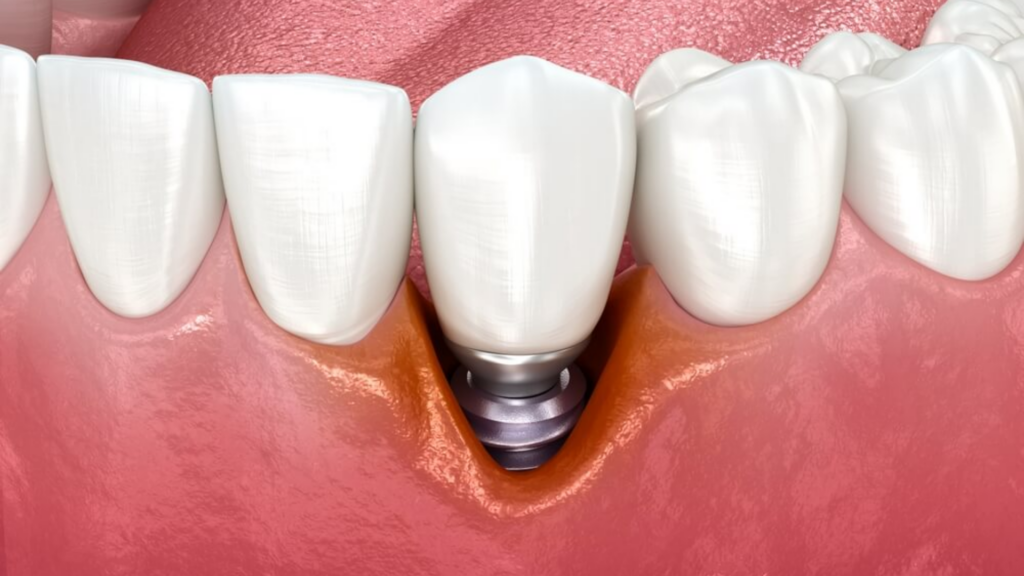
Late failures can appear after years of function. The primary cause is peri-implantitis, an inflammatory condition leading to bone loss.
Other contributors include:
- Mechanical overload
- Poorly adjusted prosthetics
- Changes in systemic health
Prompt treatment can often stabilize the implant.

Maintenance: The Key to Long-Term Success
A dental implant is not maintenance-free. Lifelong care is essential.
Daily Hygiene
Implants must be cleaned like natural teeth:
- Brush twice daily
- Use interdental brushes or floss
- Minimize plaque buildup
Regular Professional Follow-Up
Routine follow-ups with your dentist help detect early signs of gum inflammation, prosthetic wear, or abutment loosening.
Patient Awareness
Patients should report:
- Unusual pain
- Bleeding around the implant
- Mobility
- Difficulty chewing
Early intervention helps prevent larger complications.
Frequently Asked Questions (FAQ)
Does the crown need to be replaced?
Yes. The crown may wear or chip over the years. Replacing the crown does not affect the implant itself.
What happens if an implant fails?
The implant is removed safely. After healing, patients may be eligible for a new implant or another prosthetic solution.
How do I know if something is wrong?
Warning signs include pain, mobility, bleeding, and chewing difficulties. Immediate evaluation is recommended.
Can an implant be placed again in the same area?
Often, yes—depending on bone healing and the cause of the previous failure. A clinical and radiological assessment is required.

Conclusion
Dental implants in Montreal offer a durable, functional solution for replacing missing teeth and restoring confidence. Their long-term success relies on meticulous planning, expert surgical technique, and consistent maintenance.
A well-placed and well-cared-for implant can last a lifetime.For a personalized evaluation and implant treatment designed to last, consult the team at Seaforth Oral Surgery in Montreal.
Introduction
Patients often hear that a dental implant is a “permanent” solution for missing teeth. In reality, implant longevity is influenced by biological, surgical, and lifestyle factors. This article clarifies what permanent truly means and explains what patients seeking dental implants in Montreal can realistically expect from their treatment.
What Does “Permanent” Really Mean?
A dental implant is an artificial titanium root inserted into the jawbone to support a crown, bridge, or other prosthesis. Thanks to osseointegration—the fusion between bone and the implant—success rates exceed 90–95% after 10–15 years when surgery and follow-up care are properly managed.
It’s important to differentiate the components:
- The implant (titanium post): designed to remain for decades, often for life.
- The abutment: connects the implant to the prosthesis and may require replacement over time.
- The crown or prosthesis: subject to wear; typically lasts 10–20 years depending on habits and materials.
What Determines the Lifespan of Dental Implants?
The durability of dental implants depends on the patient’s health, surgical precision, ongoing maintenance, and bone quality.
General and Oral Health
Poorly controlled diabetes, inflammatory conditions, and compromised healing can slow osseointegration. Gum health is equally crucial: chronic infection increases the risk of implant complications.
Surgical Expertise
Implant placement is a specialized procedure. Success relies on:
- Precise implant positioning
- Adequate bone volume
- Proper distribution of chewing forces
- Evidence-based surgical protocols
The choice of implant material and surface also affects long-term stability.
Lifestyle Factors and Hygiene
Smoking significantly reduces implant success rates by diminishing blood flow and slowing healing. Good daily oral hygiene—thorough brushing and flossing—is essential for keeping tissues healthy.
Other factors influencing longevity include:
- Bruxism (teeth grinding)
- Excessive chewing forces
- Poor diet or acidic habits
Causes of Implant Failure
Although dental implants in Montreal are highly reliable, complications can occur. Failures are generally categorized as early or late.
Early Failures
These occur before full osseointegration and may result from:
- Insufficient initial implant stability
- Postoperative infection
- Healing issues related to health conditions
If an implant fails early, it is removed, the bone is allowed to heal, and treatment can often be restarted later.
Late Failures
Late failures can appear after years of function. The primary cause is peri-implantitis, an inflammatory condition leading to bone loss.
Other contributors include:
- Mechanical overload
- Poorly adjusted prosthetics
- Changes in systemic health
Prompt treatment can often stabilize the implant.
Maintenance: The Key to Long-Term Success
A dental implant is not maintenance-free. Lifelong care is essential.
Daily Hygiene
Implants must be cleaned like natural teeth:
- Brush twice daily
- Use interdental brushes or floss
- Minimize plaque buildup
Regular Professional Follow-Up
Routine follow-ups with your dentist help detect early signs of gum inflammation, prosthetic wear, or abutment loosening.
Patient Awareness
Patients should report:
- Unusual pain
- Bleeding around the implant
- Mobility
- Difficulty chewing
Early intervention helps prevent larger complications.
Frequently Asked Questions (FAQ)
Does the crown need to be replaced?
Yes. The crown may wear or chip over the years. Replacing the crown does not affect the implant itself.
What happens if an implant fails?
The implant is removed safely. After healing, patients may be eligible for a new implant or another prosthetic solution.
How do I know if something is wrong?
Warning signs include pain, mobility, bleeding, and chewing difficulties. Immediate evaluation is recommended.
Can an implant be placed again in the same area?
Often, yes—depending on bone healing and the cause of the previous failure. A clinical and radiological assessment is required.
Conclusion
Dental implants in Montreal offer a durable, functional solution for replacing missing teeth and restoring confidence. Their long-term success relies on meticulous planning, expert surgical technique, and consistent maintenance.
A well-placed and well-cared-for implant can last a lifetime.For a personalized evaluation and implant treatment designed to last, consult the team at Seaforth Oral Surgery in Montreal.