Across Montreal and throughout Canada, more patients are choosing long-lasting oral health solutions rather than temporary fixes. Although often seen as cosmetic, dental implants are an investment in bone health, chewing function, confidence, and long-term stability.
Short answer: Yes—dental implants are generally worth it for patients seeking a permanent and reliable solution to tooth loss. When placed by an experienced oral surgeon, an implant becomes a key part of restoring natural function and preventing the long-term consequences of missing teeth.
Why Dental Implants Are Considered an Investment
How Dental Implants Work
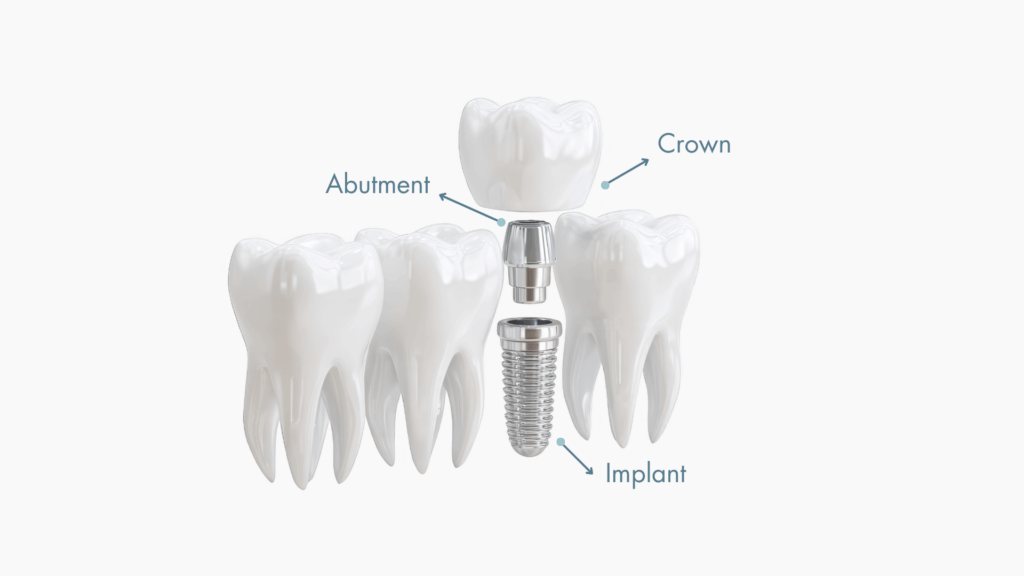
A dental implant is a precision-engineered artificial tooth root—typically titanium or zirconia—placed into the jawbone during surgery. As the bone heals, it fuses to the implant through osseointegration, creating exceptional stability. The American Academy of Implant Dentistry notes that this biological fusion provides support unmatched by any other tooth replacement method.
Long-Term Oral Health Benefits
Implants behave like natural tooth roots, meaning:
- They stimulate the jawbone and prevent bone resorption.
- They do not require altering nearby healthy teeth (unlike bridges).
- They function independently, offering a long-lasting solution rather than a temporary fix.
Comparison with Other Tooth Replacement Options

Dentures
- Rest on soft tissue
- Require periodic adjustments or replacement every few years
Bridges
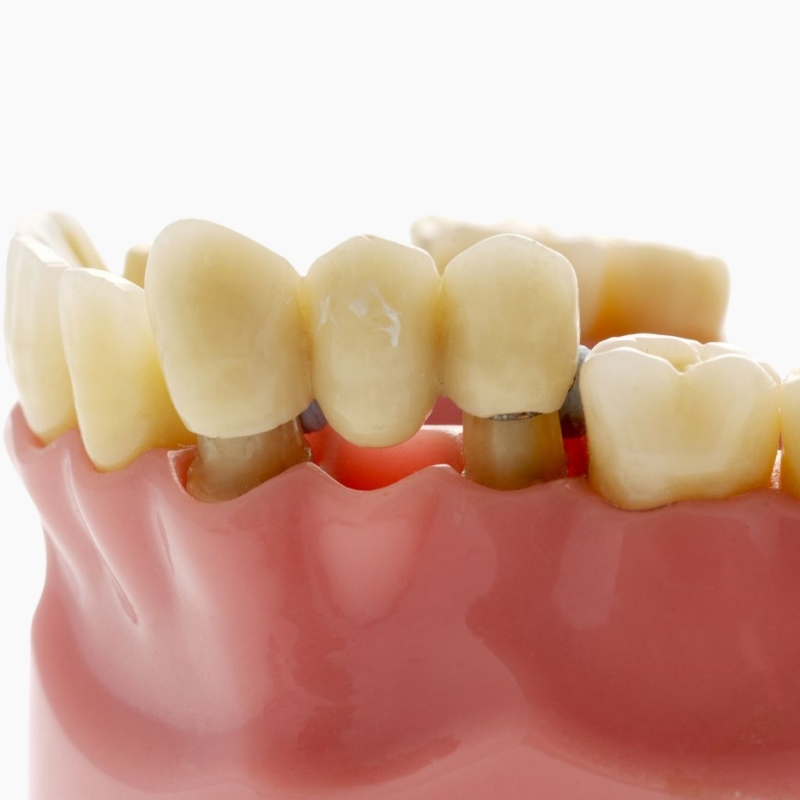
- Require reshaping healthy adjacent teeth
- Typically need replacement every 7–10 years (Canadian Dental Association)
Implants
- Long-lasting stability

- Preserve jawbone
- Maintain adjacent tooth health
- Support natural function and aesthetics
Given these advantages, the value of implants increases significantly over time.
The True Cost of Dental Implants
Factors That Influence Total Cost
In Montreal, the cost of dental implants varies depending on:
- Number of implants required
- Complexity of the treatment plan
- Surgical materials and implant system used
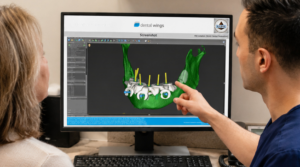
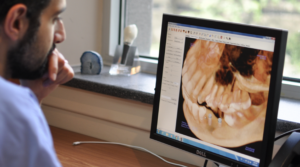
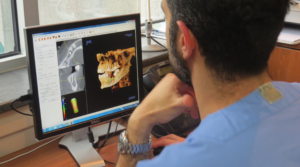
- Need for advanced imaging (e.g., CBCT scans)
- Surgeon experience and clinic location
- Additional procedures such as bone grafting or sinus lift
A complete implant treatment typically includes consultation, imaging, implant placement, healing components, the final prosthetic crown, and follow-up care.
The Role of Bone Grafting
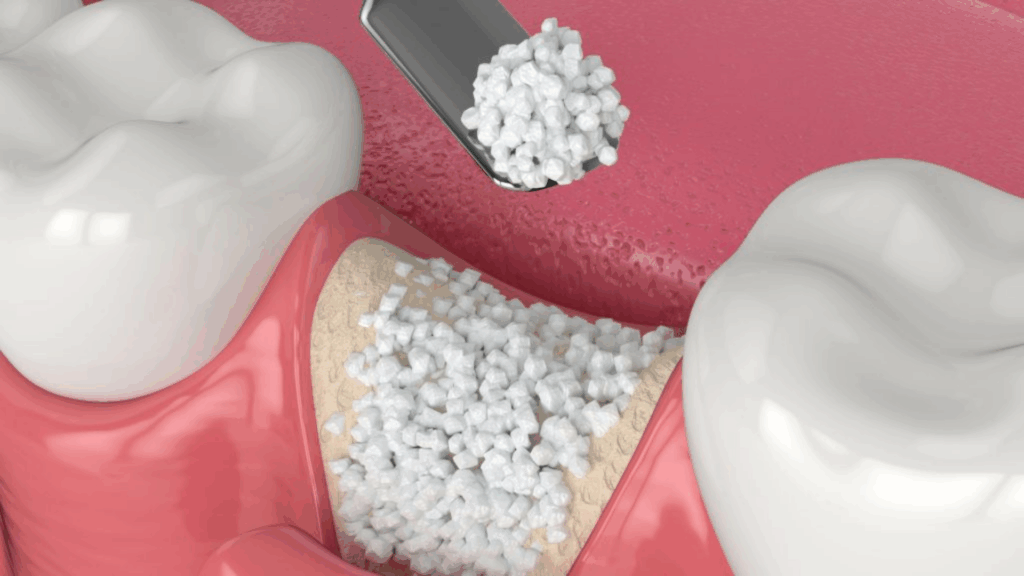
Adequate bone volume is essential. When bone height or width is insufficient, bone grafting may be required to support long-term implant success. This adds to cost but improves predictability and reduces the risk of failure.
Why Surgeon Expertise Matters
Oral surgeons have extensive training in bone biology, surgical precision, and management of complex anatomy. Studies in the Journal of Oral and Maxillofacial Surgery show higher success rates when implants are placed by trained specialists using evidence-based protocols.

Risks of “Cheap Implant” Offers
Low-cost implant advertisements often involve:
- Inadequate planning
- Lower-quality materials
- Insufficient follow-up care
Complications such as misaligned placement, infection, or implant failure can lead to costly corrective procedures.
Insurance and Financing
In Quebec, dental insurance rarely covers the full cost of implants, though some plans may cover parts of the treatment (e.g., crowns or diagnostic imaging). Many clinics also offer financing or payment plans to support affordability.
Financing Options
For many patients, implants become more accessible through:
- Flexible in-house payment plans
- Third-party medical financing
- Partial insurance coverage for specific components
Exploring these options helps patients choose a solution that fits both their oral health needs and their budget.

Longevity: How Long Do Dental Implants Last?
Long-term studies (International Journal of Oral & Maxillofacial Implants) show implant survival rates of 90–95% over 15–25 years. Many implants last decades with proper care.
Why Implants Are So Durable
- Bone integrates directly with the implant surface
- They withstand chewing forces similar to natural teeth
- They do not shift like dentures or rely on adhesives
- They do not depend on adjacent teeth, reducing wear or decay risks
Compared with dentures (5–7 years) or bridges (7–10 years), implants consistently offer the longest lifespan.
Everyday Comfort and Confidence
Patients frequently report that implants feel remarkably natural. Benefits include:
- Clear speech
- Strong, confident chewing
- A stable, natural-looking crown
- No slipping, clicking, or pressure points
- Freedom to enjoy a full range of foods
This functional freedom contributes significantly to quality of life and emotional well-being.
Maintenance and Long-Term Care

Daily Care
Implants require the same care as natural teeth:
- Brush twice daily
- Floss regularly
- Address teeth grinding if present
Professional Maintenance
Regular follow-up appointments are essential to monitor bone levels and gum health. The Journal of Clinical Periodontology emphasizes that professional cleanings and consistent home care dramatically reduce the risk of peri-implantitis.
Compared with dentures and bridges—which require repeated adjustments or replacements—implant maintenance is simple and cost-effective long term.
Short-Term Costs vs. Long-Term Value
Although implants require a higher initial investment, their long-term value often exceeds that of dentures or bridges.
Over 20 Years
- Dentures: multiple replacements, relines, adhesives, reduced stability
- Bridges: replaced 2–3 times; risk of decay on supporting teeth
- Implants: often last decades with minimal maintenance
By preserving bone, protecting adjacent teeth, and restoring full chewing ability, implants offer long-term value that short-term solutions cannot match.
Conclusion
Dental implants offer far more than tooth replacement—they are a durable, scientifically backed restoration that supports bone health, chewing efficiency, and natural aesthetics. For many patients, the long-term comfort, stability, and quality of life they provide make them an excellent investment.
If you’re considering dental implants in Montreal, consulting an experienced oral surgeon is the best way to understand whether you’re a suitable candidate and what personalized care options are available.
Contact Seaforth Oral Surgery in Montreal to schedule your implant consultation and discover long-term comfort, stability, and confidence.
Across Montreal and throughout Canada, more patients are choosing long-lasting oral health solutions rather than temporary fixes. Although often seen as cosmetic, dental implants are an investment in bone health, chewing function, confidence, and long-term stability.
Short answer: Yes—dental implants are generally worth it for patients seeking a permanent and reliable solution to tooth loss. When placed by an experienced oral surgeon, an implant becomes a key part of restoring natural function and preventing the long-term consequences of missing teeth.
Why Dental Implants Are Considered an Investment
How Dental Implants Work
A dental implant is a precision-engineered artificial tooth root—typically titanium or zirconia—placed into the jawbone during surgery. As the bone heals, it fuses to the implant through osseointegration, creating exceptional stability. The American Academy of Implant Dentistry notes that this biological fusion provides support unmatched by any other tooth replacement method.
Long-Term Oral Health Benefits
Implants behave like natural tooth roots, meaning:
- They stimulate the jawbone and prevent bone resorption.
- They do not require altering nearby healthy teeth (unlike bridges).
- They function independently, offering a long-lasting solution rather than a temporary fix.
Comparison with Other Tooth Replacement Options
Dentures
- Rest on soft tissue
- Require periodic adjustments or replacement every few years
Bridges
- Require reshaping healthy adjacent teeth
- Typically need replacement every 7–10 years (Canadian Dental Association)
Implants
- Long-lasting stability
- Preserve jawbone
- Maintain adjacent tooth health
- Support natural function and aesthetics
Given these advantages, the value of implants increases significantly over time.
The True Cost of Dental Implants
Factors That Influence Total Cost
In Montreal, the cost of dental implants varies depending on:
- Number of implants required
- Complexity of the treatment plan
- Surgical materials and implant system used
- Need for advanced imaging (e.g., CBCT scans)
- Surgeon experience and clinic location
- Additional procedures such as bone grafting or sinus lift
A complete implant treatment typically includes consultation, imaging, implant placement, healing components, the final prosthetic crown, and follow-up care.
The Role of Bone Grafting
Adequate bone volume is essential. When bone height or width is insufficient, bone grafting may be required to support long-term implant success. This adds to cost but improves predictability and reduces the risk of failure.
Why Surgeon Expertise Matters
Oral surgeons have extensive training in bone biology, surgical precision, and management of complex anatomy. Studies in the Journal of Oral and Maxillofacial Surgery show higher success rates when implants are placed by trained specialists using evidence-based protocols.
Risks of “Cheap Implant” Offers
Low-cost implant advertisements often involve:
- Inadequate planning
- Lower-quality materials
- Insufficient follow-up care
Complications such as misaligned placement, infection, or implant failure can lead to costly corrective procedures.
Insurance and Financing
In Quebec, dental insurance rarely covers the full cost of implants, though some plans may cover parts of the treatment (e.g., crowns or diagnostic imaging). Many clinics also offer financing or payment plans to support affordability.
Financing Options
For many patients, implants become more accessible through:
- Flexible in-house payment plans
- Third-party medical financing
- Partial insurance coverage for specific components
Exploring these options helps patients choose a solution that fits both their oral health needs and their budget.
Longevity: How Long Do Dental Implants Last?
Long-term studies (International Journal of Oral & Maxillofacial Implants) show implant survival rates of 90–95% over 15–25 years. Many implants last decades with proper care.
Why Implants Are So Durable
- Bone integrates directly with the implant surface
- They withstand chewing forces similar to natural teeth
- They do not shift like dentures or rely on adhesives
- They do not depend on adjacent teeth, reducing wear or decay risks
Compared with dentures (5–7 years) or bridges (7–10 years), implants consistently offer the longest lifespan.
Everyday Comfort and Confidence
Patients frequently report that implants feel remarkably natural. Benefits include:
- Clear speech
- Strong, confident chewing
- A stable, natural-looking crown
- No slipping, clicking, or pressure points
- Freedom to enjoy a full range of foods
This functional freedom contributes significantly to quality of life and emotional well-being.
Maintenance and Long-Term Care
Daily Care
Implants require the same care as natural teeth:
- Brush twice daily
- Floss regularly
- Address teeth grinding if present
Professional Maintenance
Regular follow-up appointments are essential to monitor bone levels and gum health. The Journal of Clinical Periodontology emphasizes that professional cleanings and consistent home care dramatically reduce the risk of peri-implantitis.
Compared with dentures and bridges—which require repeated adjustments or replacements—implant maintenance is simple and cost-effective long term.
Short-Term Costs vs. Long-Term Value
Although implants require a higher initial investment, their long-term value often exceeds that of dentures or bridges.
Over 20 Years
- Dentures: multiple replacements, relines, adhesives, reduced stability
- Bridges: replaced 2–3 times; risk of decay on supporting teeth
- Implants: often last decades with minimal maintenance
By preserving bone, protecting adjacent teeth, and restoring full chewing ability, implants offer long-term value that short-term solutions cannot match.
Conclusion
Dental implants offer far more than tooth replacement—they are a durable, scientifically backed restoration that supports bone health, chewing efficiency, and natural aesthetics. For many patients, the long-term comfort, stability, and quality of life they provide make them an excellent investment.
If you’re considering dental implants in Montreal, consulting an experienced oral surgeon is the best way to understand whether you’re a suitable candidate and what personalized care options are available.
Contact Seaforth Oral Surgery in Montreal to schedule your implant consultation and discover long-term comfort, stability, and confidence.