Introduction
Many people considering oral surgery worry that they have “missed their chance” to receive dental implants—especially when they have been living with missing teeth for many years. This concern is common among patients who have been told they do not have enough bone to receive implants, or who simply believe too much time has passed.
It is true that long-term tooth loss leads to progressive changes in the jawbone, but modern oral and maxillofacial surgery has advanced dramatically over the last decade.
Today, patients seeking dental implants in Montreal have access to highly specialised techniques such as bone grafting, sinus lifts, and zygomatic implants. These procedures allow surgeons to rebuild areas with significant bone loss and successfully place implants, even in situations once considered impossible.
In the vast majority of cases, it is not “too late” at all—it simply requires a complete evaluation, precise surgical planning, and a personalised treatment plan based on your anatomy, bone quality, and overall health.
Ultimately, the best solution depends on each patient’s unique needs and the degree of bone loss. The good news: thanks to modern techniques, dental implant treatment is now accessible to far more people than ever before.
What Happens When a Tooth Has Been Missing for Too Long?
When a natural tooth is lost and not replaced, the consequences extend far beyond the visible gap in the smile. Missing teeth and periodontal disease are two of the most common causes of bone loss, mainly because they reduce the stimulation needed to maintain a healthy jawbone.
The jawbone exists to support the teeth, and without the pressure generated by chewing, it begins to weaken through a process called disuse atrophy. This well-documented biological response results in progressive bone resorption, increasing the risk of teeth shifting, gum problems, or even future complications during implant placement.
If tooth loss is left untreated for several years, the bone in the affected area can resorb significantly—making dental implant treatment more complex, or even impossible, without additional procedures such as bone grafting.

Progressive Jawbone Resorption
Jawbone deterioration begins quickly after a tooth is lost. Studies show that during the first year, the jaw can lose up to 25% of its width. Without chewing pressure, bone density and volume continue to diminish over time.
According to the Ordre des dentistes du Québec, untreated missing teeth are one of the leading contributors to progressive bone loss and declining oral health in adults.
For patients considering dental implants in Montreal, this bone resorption can influence treatment options. Insufficient bone may prevent the placement of traditional implants unless the area is rebuilt through bone grafting. This is why a complete evaluation is essential when planning long-term tooth replacement.
 Effects on Adjacent and Opposing Teeth
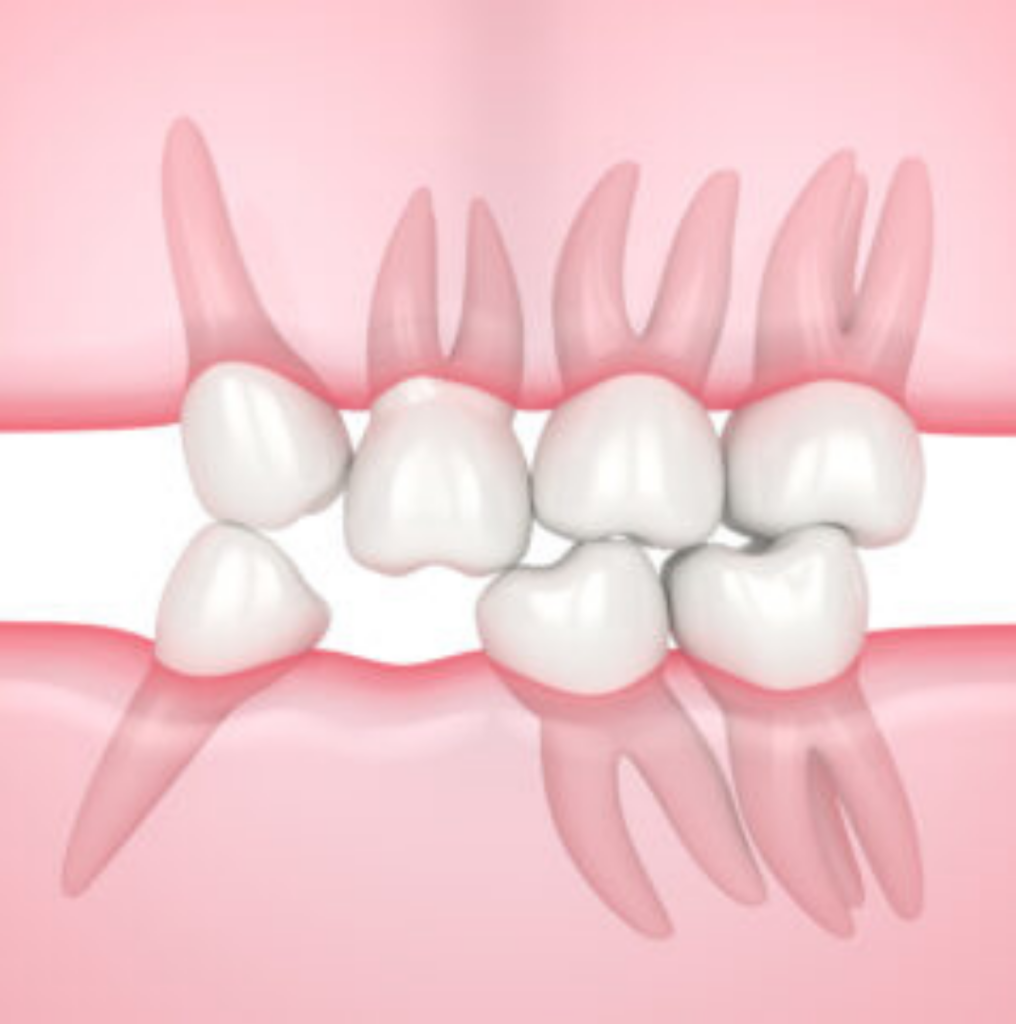
Tooth loss also affects the alignment and stability of the remaining teeth. Neighbouring teeth tend to drift toward the empty space, while the opposing tooth may erupt further up or down to fill the gap. These undesirable movements alter the bite, increase stress on the remaining teeth, and can lead to fractures, premature wear, and periodontal disease.
When several teeth are missing, the dental arch becomes progressively unstable. This instability promotes gum inflammation and complicates oral hygiene, further increasing the risk of bone loss and the need for more complex implant treatment later.
Changes in Facial Structure
Over time, bone loss related to missing teeth can lead to visible changes in facial appearance. As the jawbone becomes thinner, it no longer properly supports the lips and cheeks. This can create a collapsed appearance around the mouth, deepen smile lines, and cause premature ageing in the lower face.
Patients who have been missing teeth for many years—particularly in the upper jaw—may notice thinner lips, reduced facial height, and an overall change in facial profile. Replacing missing teeth with dental implants is one of the most effective ways to prevent or slow these aesthetic changes by preserving bone volume.
Is It Still Possible to Get Dental Implants After Many Years?
Yes—many patients who have been missing teeth for a long time can still receive dental implants, even after several decades without teeth. However, when bone loss is advanced, treatment may require specialised surgical procedures to rebuild or bypass areas where bone is insufficient.
For patients considering dental implants in Montreal, factors such as bone density, bone height, and overall oral health are far more important than how long the teeth have been missing.
In most cases, the determining factor is whether the jawbone can be restored—or supplemented—so that it provides a stable enough foundation to support implants.
Bone Requirements for Dental Implants
Successful dental implant treatment depends on osseointegration, a process in which the implant fuses securely with healthy bone. To achieve this, the patient must have adequate bone density and volume at the implant site. When significant bone loss is present, the surgeon must evaluate how much bone remains and determine whether it can be regenerated through bone grafting or other preparatory procedures.
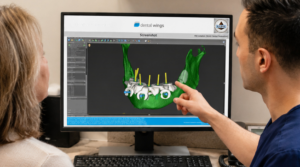
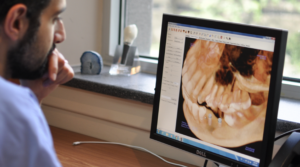
If bone quality or quantity is insufficient, the risk of implant failure increases. This is why a complete evaluation—including 3D imaging—is essential for anyone considering dental implants in Montreal, especially when tooth loss has been long-standing.
Advanced Surgical Solutions
Bone Grafting
Bone grafting is often recommended to rebuild areas where the jawbone has deteriorated. Graft material is placed into the deficient site, stimulating the body to produce new, healthy bone. Over several months, the graft fully integrates, creating a solid foundation for future implant placement.
Sinus Lift for Upper Jaw Bone Loss
In patients missing upper teeth, the natural expansion of the sinus can reduce available bone height. A sinus lift (sinus augmentation) involves adding bone beneath the sinus membrane to increase vertical space. This procedure allows traditional implants to be placed safely, even when significant bone loss is present.
Zygomatic Implants for Severe Bone Loss
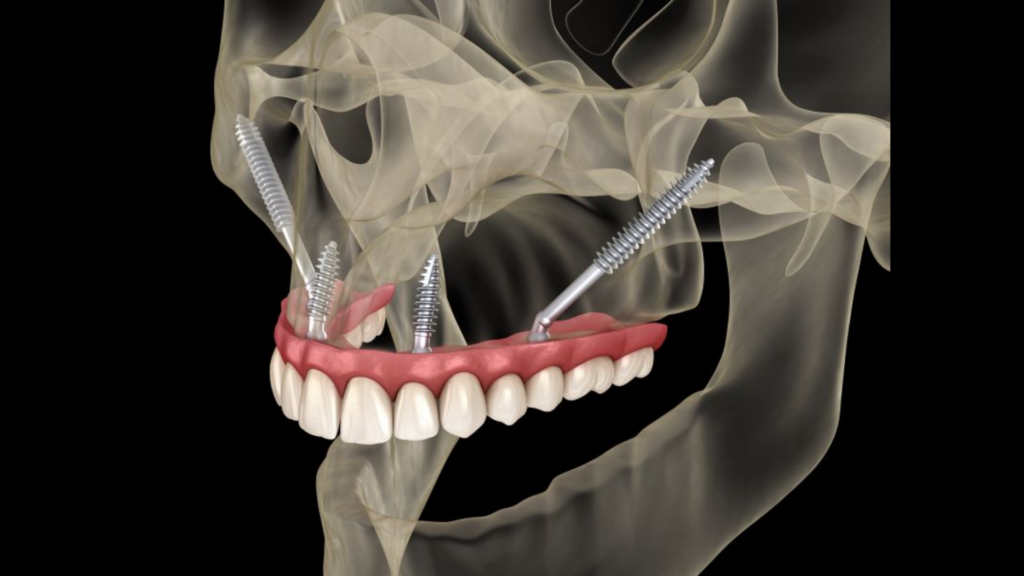
In cases of extreme bone loss—especially when bone grafting is not possible—zygomatic implants provide a very effective solution. Instead of anchoring into the jawbone, these longer implants anchor directly into the zygomatic bone (cheekbone), which offers exceptional stability. They are often the ideal option for patients who have previously been told they are “not candidates” for traditional implants.
Being a Good Candidate for Dental Implants After Years Without Teeth
If you have been missing teeth for many years, it is normal to wonder whether you are still a good candidate for dental implants. The good news is that modern techniques allow many long-term tooth-loss patients—even those with significant bone loss—to successfully restore their smile.
Thanks to advancements in implant design, digital planning, and bone regeneration procedures, a large number of patients who were once told they were “not candidates” can now receive dental implants in Montreal as part of a personalised treatment plan.
Other Factors That Influence Dental Implant Candidacy
Although bone quality is essential, other factors influence your eligibility for dental implants:
- Medical history – Conditions such as diabetes or osteoporosis may require additional evaluation but do not necessarily prevent implant treatment.
- Oral hygiene habits – Proper brushing and flossing support better healing and long-term implant stability.
- Gum health – Healthy, infection-free gum tissue is essential to support the implant and prevent complications.
When bone loss is present, bone grafting procedures can regenerate enough bone to allow implant placement, making treatment accessible to many people who have been missing teeth for years.
Personalised Treatment for Complex Cases
Even complex cases of long-term tooth loss can often be successfully treated through advanced planning and surgical expertise. The implant specialist will create a personalised plan tailored to your anatomy, dental history, and overall health to ensure the best possible outcome.
Many patients are pleasantly surprised to learn that they are indeed candidates for implants—even after ten years or more without teeth.
If you are questioning your eligibility for dental implants in Montreal, a professional evaluation remains the best way to understand your options and take the next step toward a healthier, more confident smile.
How Oral Surgeons Restore the Foundation Needed for Dental Implants
Complex dental implant cases—especially those involving severe bone loss or anatomical limitations—require the expertise of an oral and maxillofacial surgeon. These specialists are trained to rebuild the jawbone, correct structural deficiencies, and place implants precisely and safely.
Thanks to advanced surgical techniques, they can restore the foundation necessary for successful dental implants in Montreal, ensuring long-term stability for chewing, speaking, and overall oral health.
Personalised Treatment Planning
Once diagnostic imaging is completed, the oral surgeon develops a personalised treatment plan tailored to the patient’s anatomy and oral health goals. Depending on the results:
- Some patients may require staged procedures, beginning with bone grafting or a sinus lift before implant placement.
- Others may be eligible for immediate implant placement if bone conditions are favourable.
- Patients with advanced bone loss may benefit from alternative implant designs, such as zygomatic implants or longer implants designed to anchor into denser bone structures.
During the healing phase, temporary teeth or provisional prostheses are often provided to maintain appearance and function. The overall timeline depends on the extent of bone regeneration required and each patient’s natural healing response.
Implant Placement and Final Restoration

Once a strong bone foundation has been restored, the surgeon places the dental implants using high-precision surgical guides. Over the following months, the implants undergo osseointegration, securely fusing with the jawbone. After integration, custom crowns or implant-supported prostheses are attached, creating replacement teeth that look, function, and feel like natural teeth.
Unlike traditional dental bridges, implants do not rely on neighbouring teeth for support and actively help preserve the remaining bone—making them one of the most durable and effective long-term tooth-replacement solutions.
Benefits of Restoring Your Teeth Even After Many Years
Choosing to replace missing teeth, even after many years, offers significant functional, structural, and emotional benefits. Restoring your smile not only improves appearance but also protects oral health, enhances daily function, and helps prevent complications associated with untreated tooth loss.

For many patients considering dental implants in Montreal, these benefits make implant treatment a transformative, reliable, and highly predictable option.
Functional Benefits
Dental implants restore near-natural chewing ability and stabilise the bite, reducing pressure on remaining teeth and preventing uneven wear. Compared with traditional dentures, implants offer greater stability and comfort.
Patients often report:
- Better chewing efficiency
- Improved digestion
- Clearer, more natural speech
- Greater comfort during daily activities
Implants integrate directly into the jawbone, eliminating many inconveniences associated with removable dentures, such as shifting, discomfort, or reduced biting force.
Long-Term Oral Health Benefits
Dental implants play a key role in maintaining bone levels and preventing the progressive deterioration associated with long-term tooth loss. Because they stimulate the bone in the same way natural roots do, they help slow bone resorption.
With good oral hygiene and regular professional care, dental implants can last several decades, often functioning as a permanent tooth-replacement solution. This makes them one of the most durable and cost-effective ways to preserve long-term oral health.
Aesthetic and Emotional Benefits
Dental implants provide remarkable aesthetic and psychological benefits. Designed to look and function like natural teeth, they offer a harmonious, realistic, and visually pleasing smile.
Patients frequently report:
- Increased self-confidence
- More comfort smiling and speaking
- A renewed desire to socialise
- An improved overall quality of life
By restoring a full, natural-looking smile, dental implants help patients regain confidence, comfort, and freedom in chewing, speaking, and daily activities—without the limitations caused by missing teeth.
Common Concerns Related to Long-Term Tooth Loss and Dental Implants
Patients who have lived with missing teeth for many years often have understandable concerns about the complexity or comfort of dental implant treatment. Although more complex cases may require additional preparatory steps—such as bone grafting or a sinus lift—implant placement is usually performed under local anaesthesia, IV sedation, or general anaesthesia.
Most patients receiving dental implants in Montreal report that the procedure is much more comfortable and manageable than they had imagined.
Post-operative discomfort is normal, especially when grafting is involved, but your oral surgeon will provide clear instructions for pain management, healing, and monitoring for potential complications. With proper care, most patients recover without difficulty.
Concerns About the Cost of Dental Implants
The cost of dental implants is another common concern among people looking to replace missing teeth after many years. Although advanced procedures may require a higher initial investment—particularly when bone regeneration is needed—implants offer exceptional long-term value.
Unlike dentures or bridges, implants do not require frequent adjustments, repeated repairs, or regular replacement.
By preserving bone structure and preventing other oral health problems, implants can significantly reduce future dental expenses. For many patients, they represent the most durable and cost-effective long-term tooth-replacement option.
Age and Implant Candidacy
Many people worry they may be “too old” to receive dental implants, but age alone is not a limiting factor. Eligibility depends more on overall health, bone quality, and the ability to maintain good oral hygiene.
Older adults—even those with controlled medical conditions—frequently receive dental implants with excellent success rates.
Oral surgeons evaluate medical history, medications, and jawbone condition to determine whether dental implants are the right option for you. In many cases, older patients experience remarkable improvements in function, comfort, and confidence after implant treatment.

Conclusion
Long-term tooth loss does not mean you are no longer a candidate for dental implants.
Thanks to modern advancements in oral and maxillofacial surgery, even patients with significant bone loss can often rebuild the foundation needed for implant treatment and regain a functional, healthy, and attractive smile.
If you are wondering, “Can I still receive dental implants after years without teeth?”, the next—and most important—step is to schedule a professional evaluation. A complete assessment will determine your bone health, review potential treatment options, and identify whether procedures such as bone grafting, sinus lifts, or alternative implant types may be appropriate.
For specialised care and personalised treatment planning, contact Seaforth Oral Surgery in Montreal to book a comprehensive dental implant consultation. Their team specialises in advanced solutions designed to restore your smile—no matter how long you have been missing teeth.
Introduction
Many people considering oral surgery worry that they have “missed their chance” to receive dental implants—especially when they have been living with missing teeth for many years. This concern is common among patients who have been told they do not have enough bone to receive implants, or who simply believe too much time has passed.
It is true that long-term tooth loss leads to progressive changes in the jawbone, but modern oral and maxillofacial surgery has advanced dramatically over the last decade.
Today, patients seeking dental implants in Montreal have access to highly specialised techniques such as bone grafting, sinus lifts, and zygomatic implants. These procedures allow surgeons to rebuild areas with significant bone loss and successfully place implants, even in situations once considered impossible.
In the vast majority of cases, it is not “too late” at all—it simply requires a complete evaluation, precise surgical planning, and a personalised treatment plan based on your anatomy, bone quality, and overall health.
Ultimately, the best solution depends on each patient’s unique needs and the degree of bone loss. The good news: thanks to modern techniques, dental implant treatment is now accessible to far more people than ever before.
What Happens When a Tooth Has Been Missing for Too Long?
When a natural tooth is lost and not replaced, the consequences extend far beyond the visible gap in the smile. Missing teeth and periodontal disease are two of the most common causes of bone loss, mainly because they reduce the stimulation needed to maintain a healthy jawbone.
The jawbone exists to support the teeth, and without the pressure generated by chewing, it begins to weaken through a process called disuse atrophy. This well-documented biological response results in progressive bone resorption, increasing the risk of teeth shifting, gum problems, or even future complications during implant placement.
If tooth loss is left untreated for several years, the bone in the affected area can resorb significantly—making dental implant treatment more complex, or even impossible, without additional procedures such as bone grafting.
Progressive Jawbone Resorption
Jawbone deterioration begins quickly after a tooth is lost. Studies show that during the first year, the jaw can lose up to 25% of its width. Without chewing pressure, bone density and volume continue to diminish over time.
According to the Ordre des dentistes du Québec, untreated missing teeth are one of the leading contributors to progressive bone loss and declining oral health in adults.
For patients considering dental implants in Montreal, this bone resorption can influence treatment options. Insufficient bone may prevent the placement of traditional implants unless the area is rebuilt through bone grafting. This is why a complete evaluation is essential when planning long-term tooth replacement.
Effects on Adjacent and Opposing Teeth
Tooth loss also affects the alignment and stability of the remaining teeth. Neighbouring teeth tend to drift toward the empty space, while the opposing tooth may erupt further up or down to fill the gap. These undesirable movements alter the bite, increase stress on the remaining teeth, and can lead to fractures, premature wear, and periodontal disease.
When several teeth are missing, the dental arch becomes progressively unstable. This instability promotes gum inflammation and complicates oral hygiene, further increasing the risk of bone loss and the need for more complex implant treatment later.
Changes in Facial Structure
Over time, bone loss related to missing teeth can lead to visible changes in facial appearance. As the jawbone becomes thinner, it no longer properly supports the lips and cheeks. This can create a collapsed appearance around the mouth, deepen smile lines, and cause premature ageing in the lower face.
Patients who have been missing teeth for many years—particularly in the upper jaw—may notice thinner lips, reduced facial height, and an overall change in facial profile. Replacing missing teeth with dental implants is one of the most effective ways to prevent or slow these aesthetic changes by preserving bone volume.
Is It Still Possible to Get Dental Implants After Many Years?
Yes—many patients who have been missing teeth for a long time can still receive dental implants, even after several decades without teeth. However, when bone loss is advanced, treatment may require specialised surgical procedures to rebuild or bypass areas where bone is insufficient.
For patients considering dental implants in Montreal, factors such as bone density, bone height, and overall oral health are far more important than how long the teeth have been missing.
In most cases, the determining factor is whether the jawbone can be restored—or supplemented—so that it provides a stable enough foundation to support implants.
Bone Requirements for Dental Implants
Successful dental implant treatment depends on osseointegration, a process in which the implant fuses securely with healthy bone. To achieve this, the patient must have adequate bone density and volume at the implant site. When significant bone loss is present, the surgeon must evaluate how much bone remains and determine whether it can be regenerated through bone grafting or other preparatory procedures.
If bone quality or quantity is insufficient, the risk of implant failure increases. This is why a complete evaluation—including 3D imaging—is essential for anyone considering dental implants in Montreal, especially when tooth loss has been long-standing.
Advanced Surgical Solutions
Bone Grafting
Bone grafting is often recommended to rebuild areas where the jawbone has deteriorated. Graft material is placed into the deficient site, stimulating the body to produce new, healthy bone. Over several months, the graft fully integrates, creating a solid foundation for future implant placement.
Sinus Lift for Upper Jaw Bone Loss
In patients missing upper teeth, the natural expansion of the sinus can reduce available bone height. A sinus lift (sinus augmentation) involves adding bone beneath the sinus membrane to increase vertical space. This procedure allows traditional implants to be placed safely, even when significant bone loss is present.
Zygomatic Implants for Severe Bone Loss
In cases of extreme bone loss—especially when bone grafting is not possible—zygomatic implants provide a very effective solution. Instead of anchoring into the jawbone, these longer implants anchor directly into the zygomatic bone (cheekbone), which offers exceptional stability. They are often the ideal option for patients who have previously been told they are “not candidates” for traditional implants.
Being a Good Candidate for Dental Implants After Years Without Teeth
If you have been missing teeth for many years, it is normal to wonder whether you are still a good candidate for dental implants. The good news is that modern techniques allow many long-term tooth-loss patients—even those with significant bone loss—to successfully restore their smile.
Thanks to advancements in implant design, digital planning, and bone regeneration procedures, a large number of patients who were once told they were “not candidates” can now receive dental implants in Montreal as part of a personalised treatment plan.
Other Factors That Influence Dental Implant Candidacy
Although bone quality is essential, other factors influence your eligibility for dental implants:
- Medical history – Conditions such as diabetes or osteoporosis may require additional evaluation but do not necessarily prevent implant treatment.
- Oral hygiene habits – Proper brushing and flossing support better healing and long-term implant stability.
- Gum health – Healthy, infection-free gum tissue is essential to support the implant and prevent complications.
When bone loss is present, bone grafting procedures can regenerate enough bone to allow implant placement, making treatment accessible to many people who have been missing teeth for years.
Personalised Treatment for Complex Cases
Even complex cases of long-term tooth loss can often be successfully treated through advanced planning and surgical expertise. The implant specialist will create a personalised plan tailored to your anatomy, dental history, and overall health to ensure the best possible outcome.
Many patients are pleasantly surprised to learn that they are indeed candidates for implants—even after ten years or more without teeth.
If you are questioning your eligibility for dental implants in Montreal, a professional evaluation remains the best way to understand your options and take the next step toward a healthier, more confident smile.
How Oral Surgeons Restore the Foundation Needed for Dental Implants
Complex dental implant cases—especially those involving severe bone loss or anatomical limitations—require the expertise of an oral and maxillofacial surgeon. These specialists are trained to rebuild the jawbone, correct structural deficiencies, and place implants precisely and safely.
Thanks to advanced surgical techniques, they can restore the foundation necessary for successful dental implants in Montreal, ensuring long-term stability for chewing, speaking, and overall oral health.
Personalised Treatment Planning
Once diagnostic imaging is completed, the oral surgeon develops a personalised treatment plan tailored to the patient’s anatomy and oral health goals. Depending on the results:
- Some patients may require staged procedures, beginning with bone grafting or a sinus lift before implant placement.
- Others may be eligible for immediate implant placement if bone conditions are favourable.
- Patients with advanced bone loss may benefit from alternative implant designs, such as zygomatic implants or longer implants designed to anchor into denser bone structures.
During the healing phase, temporary teeth or provisional prostheses are often provided to maintain appearance and function. The overall timeline depends on the extent of bone regeneration required and each patient’s natural healing response.
Implant Placement and Final Restoration
Once a strong bone foundation has been restored, the surgeon places the dental implants using high-precision surgical guides. Over the following months, the implants undergo osseointegration, securely fusing with the jawbone. After integration, custom crowns or implant-supported prostheses are attached, creating replacement teeth that look, function, and feel like natural teeth.
Unlike traditional dental bridges, implants do not rely on neighbouring teeth for support and actively help preserve the remaining bone—making them one of the most durable and effective long-term tooth-replacement solutions.
Benefits of Restoring Your Teeth Even After Many Years
Choosing to replace missing teeth, even after many years, offers significant functional, structural, and emotional benefits. Restoring your smile not only improves appearance but also protects oral health, enhances daily function, and helps prevent complications associated with untreated tooth loss.
For many patients considering dental implants in Montreal, these benefits make implant treatment a transformative, reliable, and highly predictable option.
Functional Benefits
Dental implants restore near-natural chewing ability and stabilise the bite, reducing pressure on remaining teeth and preventing uneven wear. Compared with traditional dentures, implants offer greater stability and comfort.
Patients often report:
- Better chewing efficiency
- Improved digestion
- Clearer, more natural speech
- Greater comfort during daily activities
Implants integrate directly into the jawbone, eliminating many inconveniences associated with removable dentures, such as shifting, discomfort, or reduced biting force.
Long-Term Oral Health Benefits
Dental implants play a key role in maintaining bone levels and preventing the progressive deterioration associated with long-term tooth loss. Because they stimulate the bone in the same way natural roots do, they help slow bone resorption.
With good oral hygiene and regular professional care, dental implants can last several decades, often functioning as a permanent tooth-replacement solution. This makes them one of the most durable and cost-effective ways to preserve long-term oral health.
Aesthetic and Emotional Benefits
Dental implants provide remarkable aesthetic and psychological benefits. Designed to look and function like natural teeth, they offer a harmonious, realistic, and visually pleasing smile.
Patients frequently report:
- Increased self-confidence
- More comfort smiling and speaking
- A renewed desire to socialise
- An improved overall quality of life
By restoring a full, natural-looking smile, dental implants help patients regain confidence, comfort, and freedom in chewing, speaking, and daily activities—without the limitations caused by missing teeth.
Common Concerns Related to Long-Term Tooth Loss and Dental Implants
Patients who have lived with missing teeth for many years often have understandable concerns about the complexity or comfort of dental implant treatment. Although more complex cases may require additional preparatory steps—such as bone grafting or a sinus lift—implant placement is usually performed under local anaesthesia, IV sedation, or general anaesthesia.
Most patients receiving dental implants in Montreal report that the procedure is much more comfortable and manageable than they had imagined.
Post-operative discomfort is normal, especially when grafting is involved, but your oral surgeon will provide clear instructions for pain management, healing, and monitoring for potential complications. With proper care, most patients recover without difficulty.
Concerns About the Cost of Dental Implants
The cost of dental implants is another common concern among people looking to replace missing teeth after many years. Although advanced procedures may require a higher initial investment—particularly when bone regeneration is needed—implants offer exceptional long-term value.
Unlike dentures or bridges, implants do not require frequent adjustments, repeated repairs, or regular replacement.
By preserving bone structure and preventing other oral health problems, implants can significantly reduce future dental expenses. For many patients, they represent the most durable and cost-effective long-term tooth-replacement option.
Age and Implant Candidacy
Many people worry they may be “too old” to receive dental implants, but age alone is not a limiting factor. Eligibility depends more on overall health, bone quality, and the ability to maintain good oral hygiene.
Older adults—even those with controlled medical conditions—frequently receive dental implants with excellent success rates.
Oral surgeons evaluate medical history, medications, and jawbone condition to determine whether dental implants are the right option for you. In many cases, older patients experience remarkable improvements in function, comfort, and confidence after implant treatment.
Conclusion
Long-term tooth loss does not mean you are no longer a candidate for dental implants.
Thanks to modern advancements in oral and maxillofacial surgery, even patients with significant bone loss can often rebuild the foundation needed for implant treatment and regain a functional, healthy, and attractive smile.
If you are wondering, “Can I still receive dental implants after years without teeth?”, the next—and most important—step is to schedule a professional evaluation. A complete assessment will determine your bone health, review potential treatment options, and identify whether procedures such as bone grafting, sinus lifts, or alternative implant types may be appropriate.
For specialised care and personalised treatment planning, contact Seaforth Oral Surgery in Montreal to book a comprehensive dental implant consultation. Their team specialises in advanced solutions designed to restore your smile—no matter how long you have been missing teeth.