Many patients who experience tooth loss are told they do not have enough bone for dental implants. This can feel discouraging, particularly when restoring missing teeth is important for oral health, chewing function, and confidence. However, advances in oral and maxillofacial surgery now allow bone grafting and sinus lift procedures to rebuild lost jawbone and restore candidacy for dental implants in Montreal.
TL;DR: Dental Implants After Bone Loss
Bone loss after tooth extraction is a common biological process affecting the jawbone and gum tissue. Fortunately, many patients may still qualify for dental implants in Montreal with the help of advanced surgical procedures.
- Bone grafting or sinus lift procedures may stimulate new bone growth and restore support for implants
- Early consultation can reduce the need for complex reconstruction
- A qualified oral and maxillofacial surgeon evaluates candidacy through imaging and clinical examination
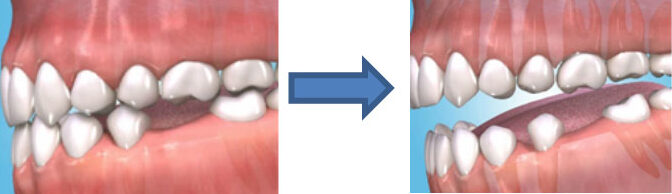
According to research published in Clinical Oral Implants Research, most jawbone resorption following tooth extraction occurs during the first three to six months, which is why early planning can significantly influence long-term treatment success.
Why Bone Loss Happens After Tooth Loss
Bone loss can happen as a natural response after a tooth is removed or lost. The jawbone relies on stimulation from tooth roots during chewing to maintain its density and structure. When teeth are no longer present, the bone surrounding the surgical site gradually resorbs.
According to a landmark systematic review published in Clinical Oral Implants Research, patients can lose up to 50% of the bone width in the extraction area during the first year after tooth loss, with the most rapid reduction occurring in the first months. This process occurs because the jawbone no longer receives mechanical stimulation from natural teeth.
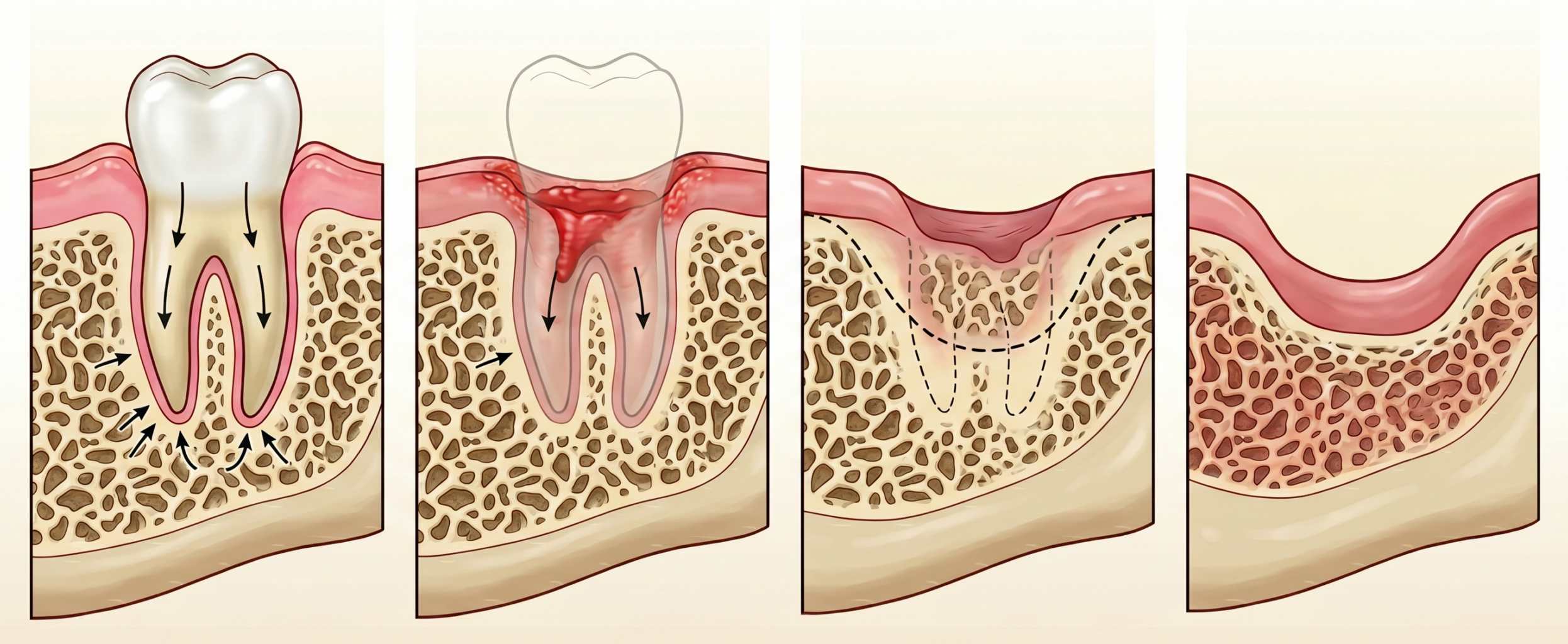
Bone resorption can also affect the surrounding gum tissue, causing the gums to shrink and altering the appearance of the smile. In more advanced cases, loss of bone volume may lead to facial changes, shifting teeth, and reduced stability for future restorations such as crowns, dentures, or implants.
Timing therefore plays a critical role. Early evaluation by an oral and maxillofacial surgeon can identify whether preventive procedures such as socket preservation or bone grafting for dental implants are appropriate before significant structural changes occur.
Dental Implants in Montreal – Can You Still Qualify?
Many patients seeking dental implants consultations believe bone loss automatically disqualifies them from treatment. In reality, candidacy is determined through detailed clinical evaluation rather than simple assumptions.
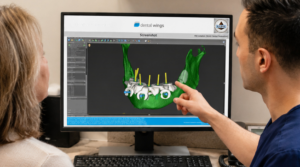
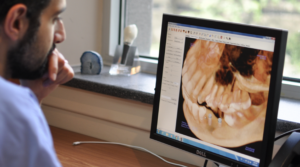
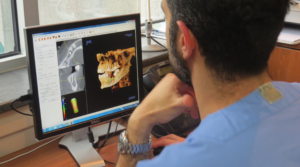
Modern implant planning relies heavily on 3D Cone Beam Computed Tomography (CBCT) imaging, which allows surgeons to measure bone height, density, and width precisely. Three-dimensional imaging significantly improves diagnostic accuracy and surgical planning for implant surgery, especially when bone volume is limited.
In Montreal, treatment planning also follows professional standards established by organizations such as the Canadian Dental Association, which emphasize patient safety, accurate diagnosis, and individualized surgical planning.
A specialist evaluation is particularly important because oral and maxillofacial surgeons are trained to perform complex reconstructive procedures involving the jaw, sinus cavities, and surrounding anatomical structures. Through careful assessment of overall health, bone anatomy, and medical conditions, a maxillofacial surgeon can determine whether bone reconstruction is required before dental implant surgery.
How Much Bone Is Needed for Dental Implants?
Successful dental implants require adequate bone height and width to stabilize the implant fixture within the jawbone. Both dimensions influence the long-term success of implant surgery.
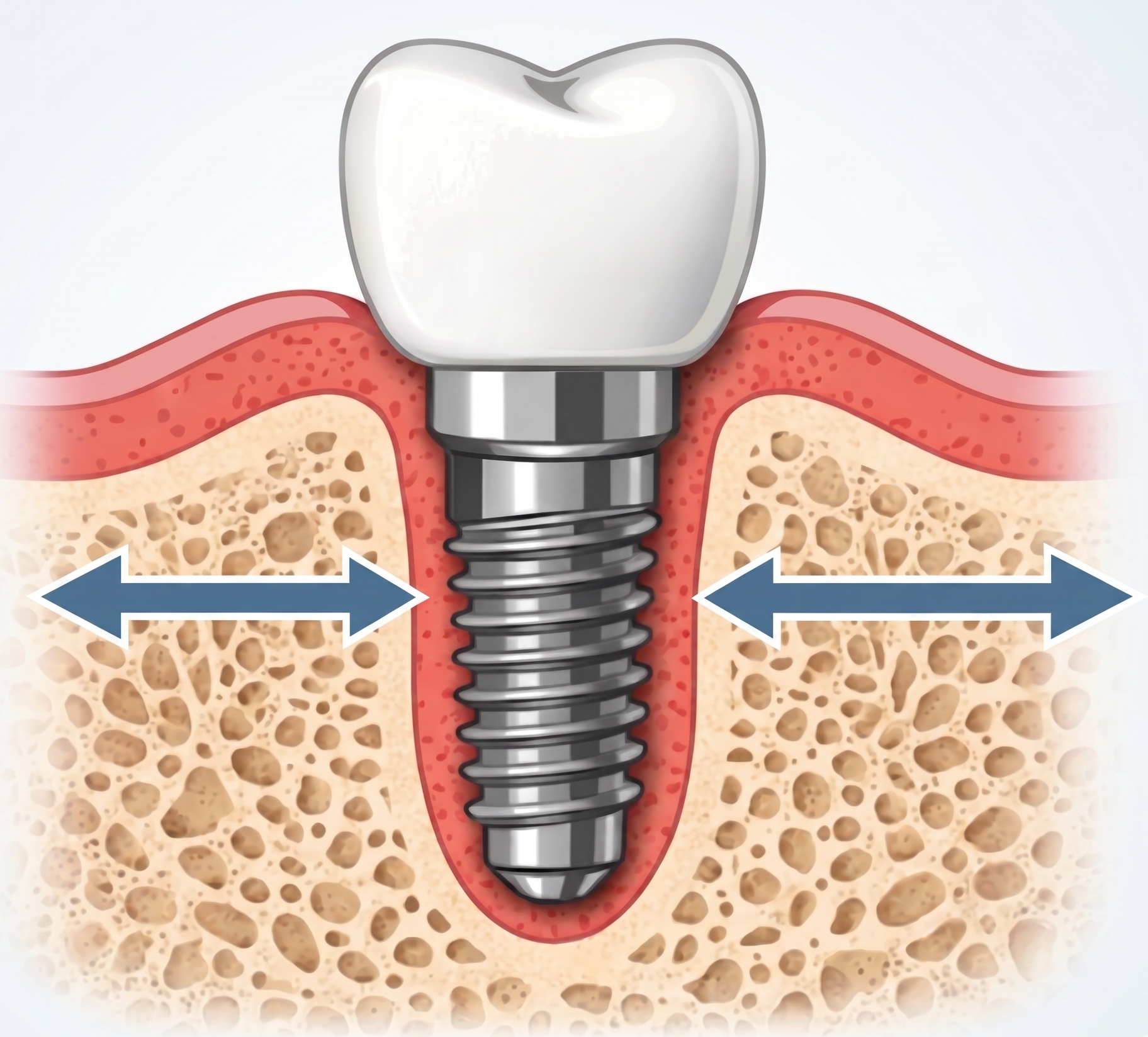
In the lower jaw, bone density is typically stronger, which can allow predictable implant placement even when bone volume is somewhat limited. The upper jaw, however, often presents greater challenges. The posterior upper jaw lies close to the maxillary sinuses, large air cavities located behind the cheekbones. When teeth are lost in this region, the sinus floor can gradually expand downward, reducing the available bone for implants.
According to research published in The International Journal of Oral & Maxillofacial Implants, insufficient bone height in the posterior upper jaw is one of the most common reasons patients require additional surgical procedures before implant placement.
In some situations, shorter implants or modified implant designs may be considered. However, when bone loss is significant, reconstructive procedures such as bone grafting or a sinus lift procedure may be recommended to create enough bone to support implants safely. The location of the missing tooth within the jawbone plays a crucial role in determining the appropriate procedure, as certain sites may require a sinus lift or bone graft depending on bone availability and proximity to anatomical structures.
The planning process for a sinus lift may involve various specialists to ensure the procedure’s success.
Bone Grafting for Dental Implants Explained
What Is Bone Grafting?
Bone grafting is a surgical procedure designed to stimulate bone growth in areas where bone volume has diminished. During the procedure, graft material is placed into the surgical site to act as a scaffold that supports new bone formation during healing.
The type of graft material used may include:
- Autografts, taken from the patient’s own bone
- Allografts, obtained from donor bone processed in specialized tissue banks
- Xenografts, derived from animal bone sources
- Synthetic biomaterials, designed to mimic natural bone structure
Graft materials gradually integrate with existing bone through a biological process known as osseointegration, where new bone cells grow around the graft particles and form stable support for future implants.
When Is Bone Grafting Necessary?
Bone grafting may be required in several situations for the placement of dental implants:
- Long-term missing teeth
- Advanced gum disease that has destroyed supporting bone
- Dental trauma or severe decay
- Previous infection in the extraction site
Bone grafting helps address problems caused by bone loss, such as instability for implants or changes in facial structure.
These conditions can significantly reduce the available bone volume in the jaw, making it difficult to stabilize even one implant without reconstructive treatment.
Socket Preservation After Extraction
One preventive approach is socket preservation, which involves placing bone graft material immediately after tooth extraction. This technique helps maintain the natural shape of the gum tissue and reduces bone shrinkage during healing.
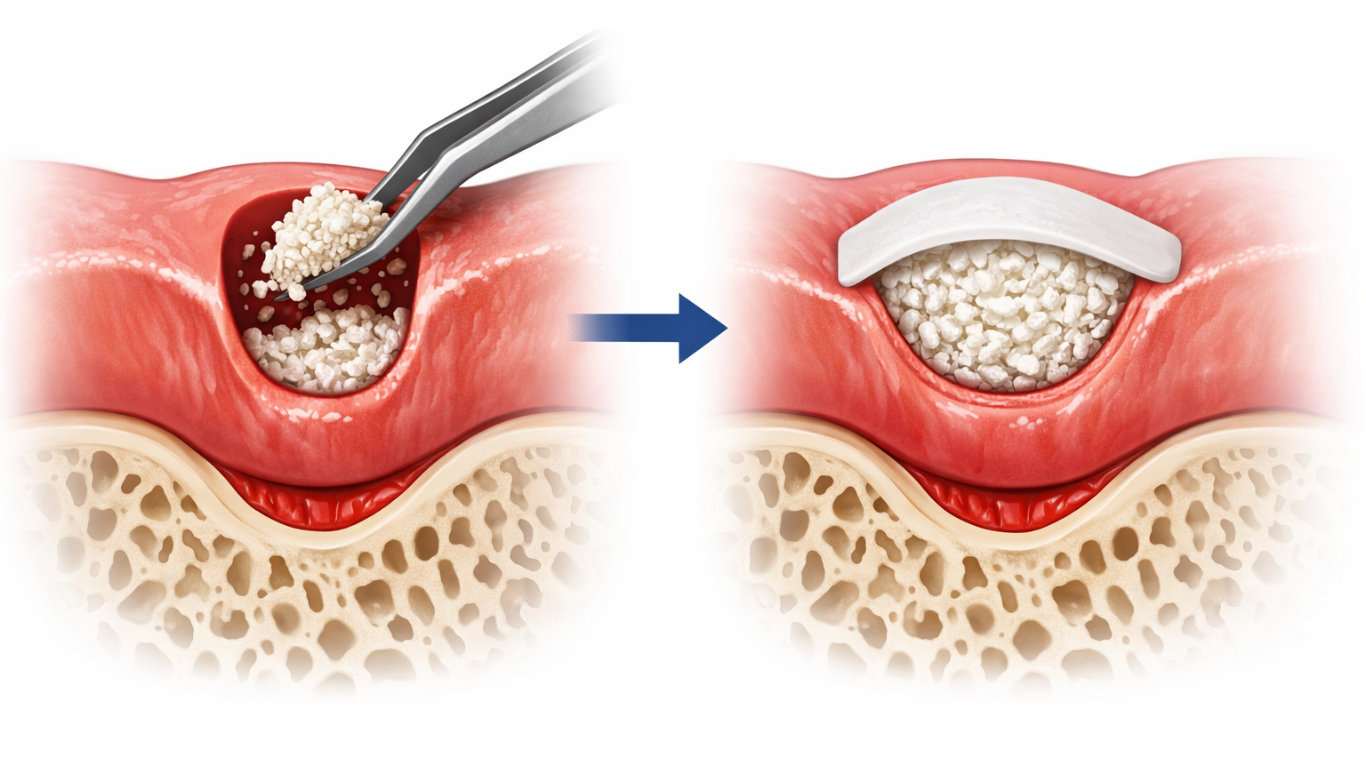
According to studies published in Clinical Oral Implants Research, socket preservation procedures can significantly reduce post-extraction bone resorption and simplify future dental implant surgery.
Sinus Lift Surgery in Montreal – When Is It Needed?
A sinus lift is a specialized surgical procedure performed when bone height in the posterior upper jaw is insufficient for implants.
After tooth loss, the maxillary sinuses can expand downward, leaving minimal bone between the mouth and the sinus cavity. A sinus lift procedure raises the sinus floor and places graft material beneath it to create additional bone.
Two main techniques exist:
- Internal sinus lift, performed through the implant site
- Lateral sinus lift, involving a small window in the side of the sinus wall
According to a review published in the Journal of Oral and Maxillofacial Surgery, sinus lift procedures have success rates exceeding 90% when performed by experienced surgeons.
Healing typically requires several weeks to months as the graft integrates with surrounding bone before implants can be placed.
Are You a Candidate for Implants After Bone Loss?
Many patients remain candidates for implants even after significant bone loss.
Ideal candidates generally have:
- Good overall health
- Stable or controlled medical conditions
- Healthy gums and good oral hygiene
- Reduced or eliminated smoking
However, some patients may require a staged treatment approach. Severe bone atrophy, chronic infection, or complex anatomical structures may require multiple surgical procedures before implant surgery becomes possible.
A consultation with a surgeon allows for careful evaluation of these factors and helps determine the safest and most predictable treatment path.
Benefits of Rebuilding Bone Before Dental Implants
Rebuilding bone provides several important advantages for patients seeking dental implants.
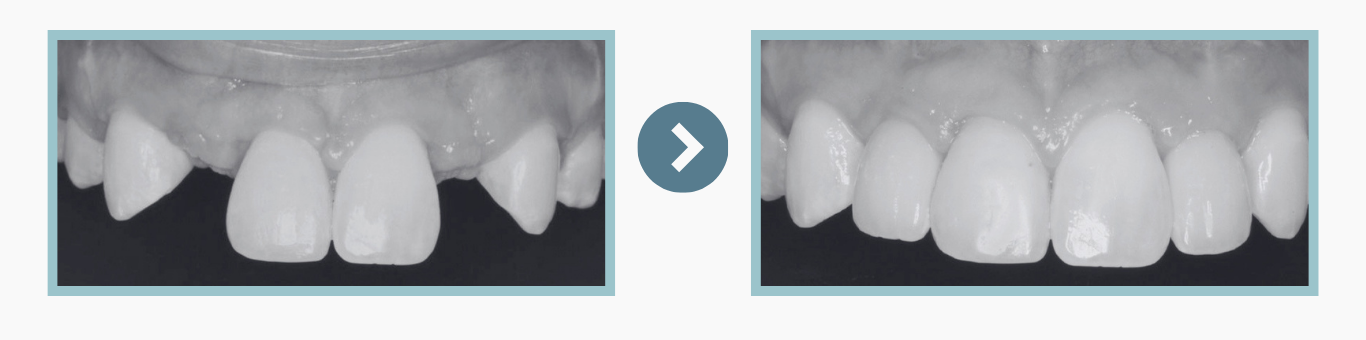
Restoring bone volume improves facial support, preventing the collapse of the lower face often associated with missing teeth. It also enhances implant stability, which reduces the risk of mechanical complications and long-term implant failure.
According to long-term studies published in The International Journal of Oral & Maxillofacial Implants, adequate bone support is one of the most important predictors of implant longevity.
Bone reconstruction can also improve aesthetic outcomes by maintaining the natural contour of the gums and supporting realistic dental restorations, allowing patients to regain a confident smile and normal chewing function.
Risks & Considerations
As with any surgical procedure, bone grafting and implant surgery involve certain risks.
Possible complications may include:
- Infection at the surgical site
- Graft failure, which is uncommon but possible
- Increased treatment duration
- Temporary swelling, bruising, or mild pain
If you have any concern about unusual or persistent problems, you should contact your surgeon.
What to Expect During Treatment
The treatment process typically begins with a detailed consultation and diagnostic imaging.
During the initial appointment, the surgeon evaluates bone volume using CBCT scans and examines the mouth, sinuses, and surrounding anatomy. A customized treatment plan is then developed.
If bone grafting is required, the procedure is performed under anesthesia or sedation, depending on the patient’s comfort and surgical complexity.
After graft placement, the area is closed with stitches and allowed to heal. Patients receive postoperative instructions to protect the surgical site, maintain oral hygiene, and follow a temporary diet of soft foods.
Once healing is complete, the surgeon performs implant placement, followed later by permanent restorative treatment with crowns or other dental restorations.
Recovery Timeline
Recovery varies depending on the extent of surgery and the patient’s overall health.
In the first days following surgery, swelling, mild discomfort, and minor bruising are common. Patients are typically advised to apply ice packs, keep the head elevated, and eat soft foods to protect the surgical area.
Initial healing of the gums generally occurs within at least two weeks, while bone integration may take several months. During this period, the graft material gradually transforms into stable bone capable of supporting implants.
Once healing is complete, implant placement can proceed safely.
Frequently Asked Questions
Can you get dental implants in Montreal if you’ve had bone loss for many years?
Yes. Bone grafting techniques can restore sufficient bone volume even years after tooth loss.
Is bone grafting painful?
Most patients report manageable discomfort. The procedure is performed under anesthesia or sedation, and postoperative pain is controlled with medication.
How long does a sinus lift last?
Once healed, the grafted bone becomes part of the natural jawbone and can support implants often for a lifetime.
Are there alternatives if I don’t want bone grafting?
In some cases, alternatives such as zygomatic implants may be considered, but these options depend on individual anatomy.
Does RAMQ cover bone grafting?
Coverage varies. Many implant-related procedures are considered elective, but consultation with your doctors or clinic staff can clarify eligibility.
Key Takeaways
Bone loss does not automatically prevent dental implants. With modern surgical techniques such as bone grafting and sinus lift procedures, many patients can restore sufficient bone to support implants safely.
Dental implants in Montreal are a fixed, long-lasting solution for missing teeth, providing stability and comfort.
For residents seeking dental implants in Montreal, early consultation with a qualified oral and maxillofacial surgeon remains the best way to preserve treatment options and achieve predictable results.
Contact Seaforth Oral Surgery in Montreal to schedule a comprehensive evaluation.

Many patients who experience tooth loss are told they do not have enough bone for dental implants. This can feel discouraging, particularly when restoring missing teeth is important for oral health, chewing function, and confidence. However, advances in oral and maxillofacial surgery now allow bone grafting and sinus lift procedures to rebuild lost jawbone and restore candidacy for dental implants in Montreal.
TL;DR: Dental Implants After Bone Loss
Bone loss after tooth extraction is a common biological process affecting the jawbone and gum tissue. Fortunately, many patients may still qualify for dental implants in Montreal with the help of advanced surgical procedures.
- Bone grafting or sinus lift procedures may stimulate new bone growth and restore support for implants
- Early consultation can reduce the need for complex reconstruction
- A qualified oral and maxillofacial surgeon evaluates candidacy through imaging and clinical examination
According to research published in Clinical Oral Implants Research, most jawbone resorption following tooth extraction occurs during the first three to six months, which is why early planning can significantly influence long-term treatment success.
Why Bone Loss Happens After Tooth Loss
Bone loss can happen as a natural response after a tooth is removed or lost. The jawbone relies on stimulation from tooth roots during chewing to maintain its density and structure. When teeth are no longer present, the bone surrounding the surgical site gradually resorbs.
According to a landmark systematic review published in Clinical Oral Implants Research, patients can lose up to 50% of the bone width in the extraction area during the first year after tooth loss, with the most rapid reduction occurring in the first months. This process occurs because the jawbone no longer receives mechanical stimulation from natural teeth.
Bone resorption can also affect the surrounding gum tissue, causing the gums to shrink and altering the appearance of the smile. In more advanced cases, loss of bone volume may lead to facial changes, shifting teeth, and reduced stability for future restorations such as crowns, dentures, or implants.
Timing therefore plays a critical role. Early evaluation by an oral and maxillofacial surgeon can identify whether preventive procedures such as socket preservation or bone grafting for dental implants are appropriate before significant structural changes occur.
Dental Implants in Montreal – Can You Still Qualify?
Many patients seeking dental implants consultations believe bone loss automatically disqualifies them from treatment. In reality, candidacy is determined through detailed clinical evaluation rather than simple assumptions.
Modern implant planning relies heavily on 3D Cone Beam Computed Tomography (CBCT) imaging, which allows surgeons to measure bone height, density, and width precisely. Three-dimensional imaging significantly improves diagnostic accuracy and surgical planning for implant surgery, especially when bone volume is limited.
In Montreal, treatment planning also follows professional standards established by organizations such as the Canadian Dental Association, which emphasize patient safety, accurate diagnosis, and individualized surgical planning.
A specialist evaluation is particularly important because oral and maxillofacial surgeons are trained to perform complex reconstructive procedures involving the jaw, sinus cavities, and surrounding anatomical structures. Through careful assessment of overall health, bone anatomy, and medical conditions, a maxillofacial surgeon can determine whether bone reconstruction is required before dental implant surgery.
How Much Bone Is Needed for Dental Implants?
Successful dental implants require adequate bone height and width to stabilize the implant fixture within the jawbone. Both dimensions influence the long-term success of implant surgery.
In the lower jaw, bone density is typically stronger, which can allow predictable implant placement even when bone volume is somewhat limited. The upper jaw, however, often presents greater challenges. The posterior upper jaw lies close to the maxillary sinuses, large air cavities located behind the cheekbones. When teeth are lost in this region, the sinus floor can gradually expand downward, reducing the available bone for implants.
According to research published in The International Journal of Oral & Maxillofacial Implants, insufficient bone height in the posterior upper jaw is one of the most common reasons patients require additional surgical procedures before implant placement.
In some situations, shorter implants or modified implant designs may be considered. However, when bone loss is significant, reconstructive procedures such as bone grafting or a sinus lift procedure may be recommended to create enough bone to support implants safely. The location of the missing tooth within the jawbone plays a crucial role in determining the appropriate procedure, as certain sites may require a sinus lift or bone graft depending on bone availability and proximity to anatomical structures.
The planning process for a sinus lift may involve various specialists to ensure the procedure’s success.
Bone Grafting for Dental Implants Explained
What Is Bone Grafting?
Bone grafting is a surgical procedure designed to stimulate bone growth in areas where bone volume has diminished. During the procedure, graft material is placed into the surgical site to act as a scaffold that supports new bone formation during healing.
The type of graft material used may include:
- Autografts, taken from the patient’s own bone
- Allografts, obtained from donor bone processed in specialized tissue banks
- Xenografts, derived from animal bone sources
- Synthetic biomaterials, designed to mimic natural bone structure
Graft materials gradually integrate with existing bone through a biological process known as osseointegration, where new bone cells grow around the graft particles and form stable support for future implants.
When Is Bone Grafting Necessary?
Bone grafting may be required in several situations for the placement of dental implants:
- Long-term missing teeth
- Advanced gum disease that has destroyed supporting bone
- Dental trauma or severe decay
- Previous infection in the extraction site
Bone grafting helps address problems caused by bone loss, such as instability for implants or changes in facial structure.
These conditions can significantly reduce the available bone volume in the jaw, making it difficult to stabilize even one implant without reconstructive treatment.
Socket Preservation After Extraction
One preventive approach is socket preservation, which involves placing bone graft material immediately after tooth extraction. This technique helps maintain the natural shape of the gum tissue and reduces bone shrinkage during healing.
According to studies published in Clinical Oral Implants Research, socket preservation procedures can significantly reduce post-extraction bone resorption and simplify future dental implant surgery.
Sinus Lift Surgery in Montreal – When Is It Needed?
A sinus lift is a specialized surgical procedure performed when bone height in the posterior upper jaw is insufficient for implants.
After tooth loss, the maxillary sinuses can expand downward, leaving minimal bone between the mouth and the sinus cavity. A sinus lift procedure raises the sinus floor and places graft material beneath it to create additional bone.
Two main techniques exist:
- Internal sinus lift, performed through the implant site
- Lateral sinus lift, involving a small window in the side of the sinus wall
According to a review published in the Journal of Oral and Maxillofacial Surgery, sinus lift procedures have success rates exceeding 90% when performed by experienced surgeons.
Healing typically requires several weeks to months as the graft integrates with surrounding bone before implants can be placed.
Are You a Candidate for Implants After Bone Loss?
Many patients remain candidates for implants even after significant bone loss.
Ideal candidates generally have:
- Good overall health
- Stable or controlled medical conditions
- Healthy gums and good oral hygiene
- Reduced or eliminated smoking
However, some patients may require a staged treatment approach. Severe bone atrophy, chronic infection, or complex anatomical structures may require multiple surgical procedures before implant surgery becomes possible.
A consultation with a surgeon allows for careful evaluation of these factors and helps determine the safest and most predictable treatment path.
Benefits of Rebuilding Bone Before Dental Implants
Rebuilding bone provides several important advantages for patients seeking dental implants.
Restoring bone volume improves facial support, preventing the collapse of the lower face often associated with missing teeth. It also enhances implant stability, which reduces the risk of mechanical complications and long-term implant failure.
According to long-term studies published in The International Journal of Oral & Maxillofacial Implants, adequate bone support is one of the most important predictors of implant longevity.
Bone reconstruction can also improve aesthetic outcomes by maintaining the natural contour of the gums and supporting realistic dental restorations, allowing patients to regain a confident smile and normal chewing function.
Risks & Considerations
As with any surgical procedure, bone grafting and implant surgery involve certain risks.
Possible complications may include:
- Infection at the surgical site
- Graft failure, which is uncommon but possible
- Increased treatment duration
- Temporary swelling, bruising, or mild pain
If you have any concern about unusual or persistent problems, you should contact your surgeon.
What to Expect During Treatment
The treatment process typically begins with a detailed consultation and diagnostic imaging.
During the initial appointment, the surgeon evaluates bone volume using CBCT scans and examines the mouth, sinuses, and surrounding anatomy. A customized treatment plan is then developed.
If bone grafting is required, the procedure is performed under anesthesia or sedation, depending on the patient’s comfort and surgical complexity.
After graft placement, the area is closed with stitches and allowed to heal. Patients receive postoperative instructions to protect the surgical site, maintain oral hygiene, and follow a temporary diet of soft foods.
Once healing is complete, the surgeon performs implant placement, followed later by permanent restorative treatment with crowns or other dental restorations.
Recovery Timeline
Recovery varies depending on the extent of surgery and the patient’s overall health.
In the first days following surgery, swelling, mild discomfort, and minor bruising are common. Patients are typically advised to apply ice packs, keep the head elevated, and eat soft foods to protect the surgical area.
Initial healing of the gums generally occurs within at least two weeks, while bone integration may take several months. During this period, the graft material gradually transforms into stable bone capable of supporting implants.
Once healing is complete, implant placement can proceed safely.
Frequently Asked Questions
Can you get dental implants in Montreal if you’ve had bone loss for many years?
Yes. Bone grafting techniques can restore sufficient bone volume even years after tooth loss.
Is bone grafting painful?
Most patients report manageable discomfort. The procedure is performed under anesthesia or sedation, and postoperative pain is controlled with medication.
How long does a sinus lift last?
Once healed, the grafted bone becomes part of the natural jawbone and can support implants often for a lifetime.
Are there alternatives if I don’t want bone grafting?
In some cases, alternatives such as zygomatic implants may be considered, but these options depend on individual anatomy.
Does RAMQ cover bone grafting?
Coverage varies. Many implant-related procedures are considered elective, but consultation with your doctors or clinic staff can clarify eligibility.
Key Takeaways
Bone loss does not automatically prevent dental implants. With modern surgical techniques such as bone grafting and sinus lift procedures, many patients can restore sufficient bone to support implants safely.
Dental implants in Montreal are a fixed, long-lasting solution for missing teeth, providing stability and comfort.
For residents seeking dental implants in Montreal, early consultation with a qualified oral and maxillofacial surgeon remains the best way to preserve treatment options and achieve predictable results.
Contact Seaforth Oral Surgery in Montreal to schedule a comprehensive evaluation.