Losing a tooth suddenly can be a traumatic experience. Whether a tooth is knocked out following an accident, sports injury, or facial trauma, it is normal to feel concerned. Acting quickly can improve treatment outcomes. Even when a tooth cannot be saved, highly effective solutions such as dental implants can now replace a missing tooth in a durable and natural-looking way.
Quick Answer
If you suddenly lose a tooth, see a dental professional as quickly as possible. A knocked-out permanent tooth can sometimes be replanted when treated promptly. When the tooth cannot be saved, a dental implant is often the most durable solution for replacing it. It is important to act quickly, handle the tooth by the crown, and avoid contact with the root.
What Should You Do Immediately After Losing a Tooth?
The first few minutes after losing a tooth can affect your treatment options. The goal is simple: protect the tooth, avoid damaging the root, and seek care promptly.
1. Stay Calm and Contact a Professional
Even though the situation can be stressful, avoid waiting several days. A prompt evaluation can determine whether the tooth can be replanted or whether another treatment option should be considered.
2. Pick Up the Tooth Properly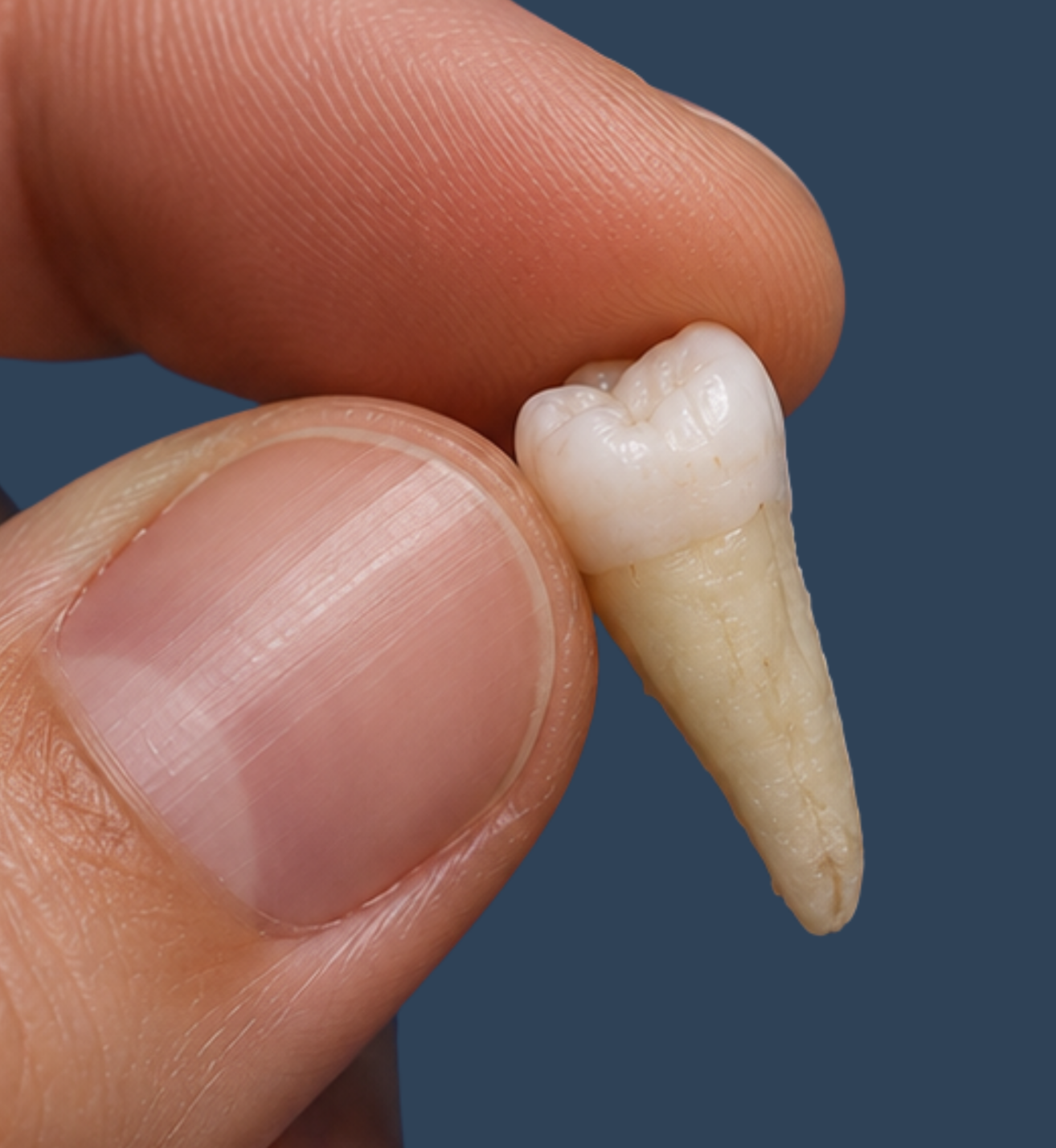
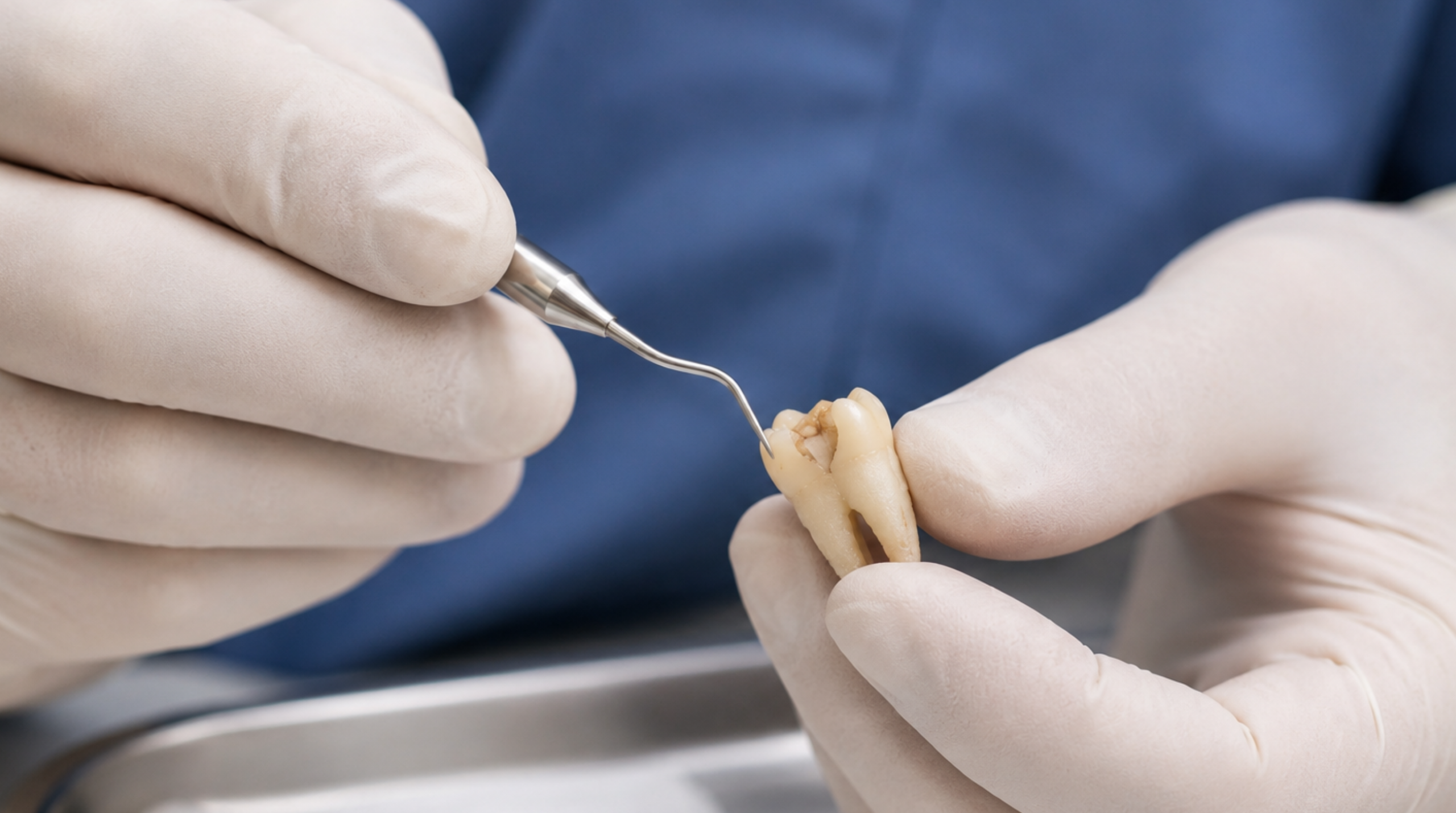
If the tooth has been completely knocked out:
- Hold it by the crown, which is the visible part of the tooth.
- Do not touch the root.
- Handle it as little as possible.
3. Rinse It Gently If Needed
If the tooth is dirty:
- Rinse it gently with water.
- Do not scrub it.
- Do not use soap, alcohol, or disinfectants.
4. Keep the Tooth Moist
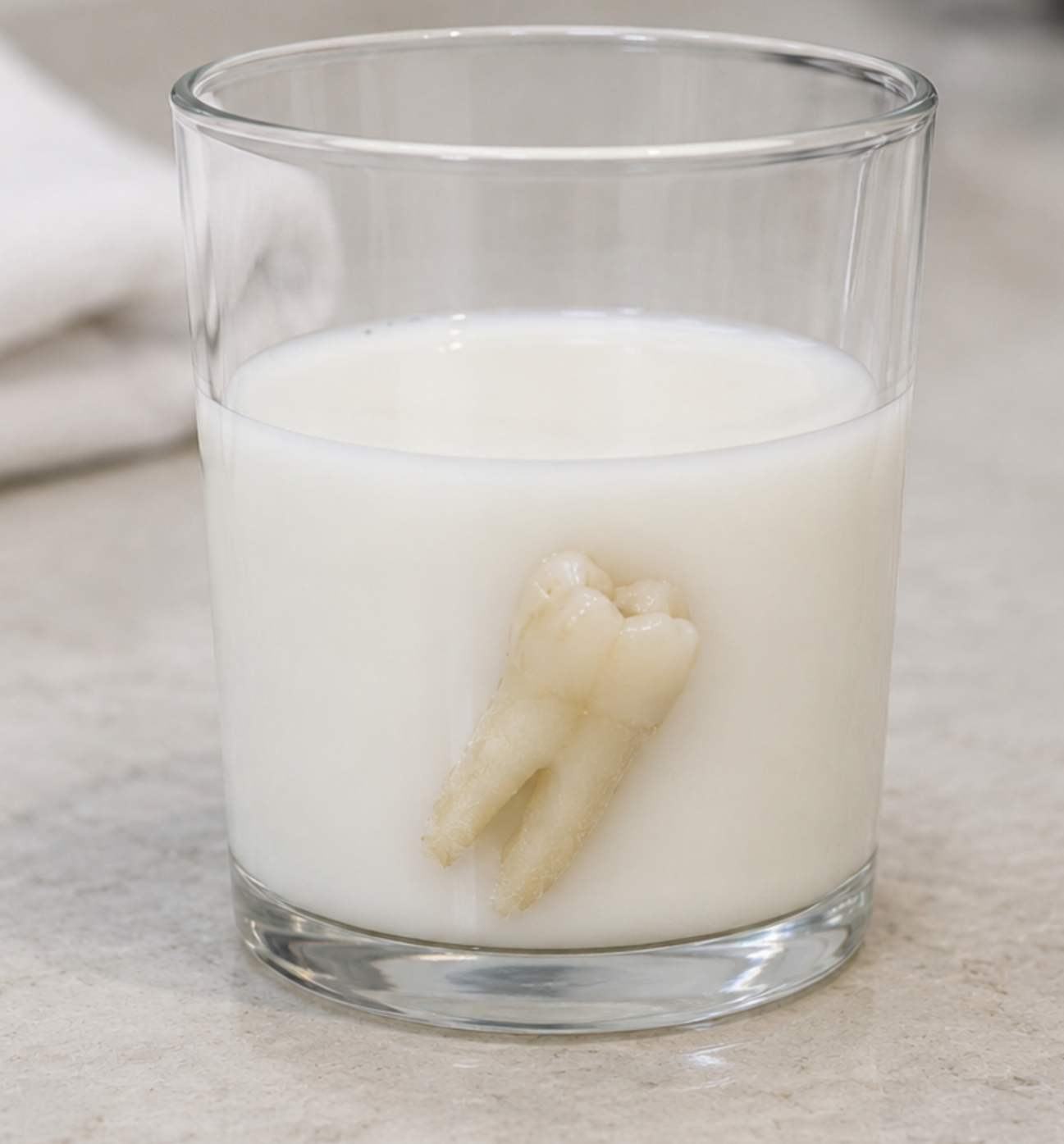 Store the tooth in:
- Milk
- Saline solution
- Your saliva, if safe to do so
Avoid using tissues, paper towels, or any other dry container. It is recommended to keep the tooth in your mouth, in milk, or in a tooth preservation solution, and seek dental care immediately.
Can a Knocked-Out Tooth Be Saved?
In some cases, yes. A knocked-out or avulsed permanent tooth can sometimes be replanted successfully, especially when treatment is provided quickly.
The chances of success depend on several factors:
- How much time has passed since the injury
- The condition of the tooth
- The severity of the trauma
- How the tooth was stored
- The condition of the surrounding gums and bone
Even when a tooth cannot be replanted, modern implant dentistry offers highly effective replacement options.
Why Is It Important to Replace a Missing Tooth Quickly?
A missing tooth does more than leave a visible gap in your smile. It can also affect the overall balance and function of your mouth.
Nearby Teeth Can Shift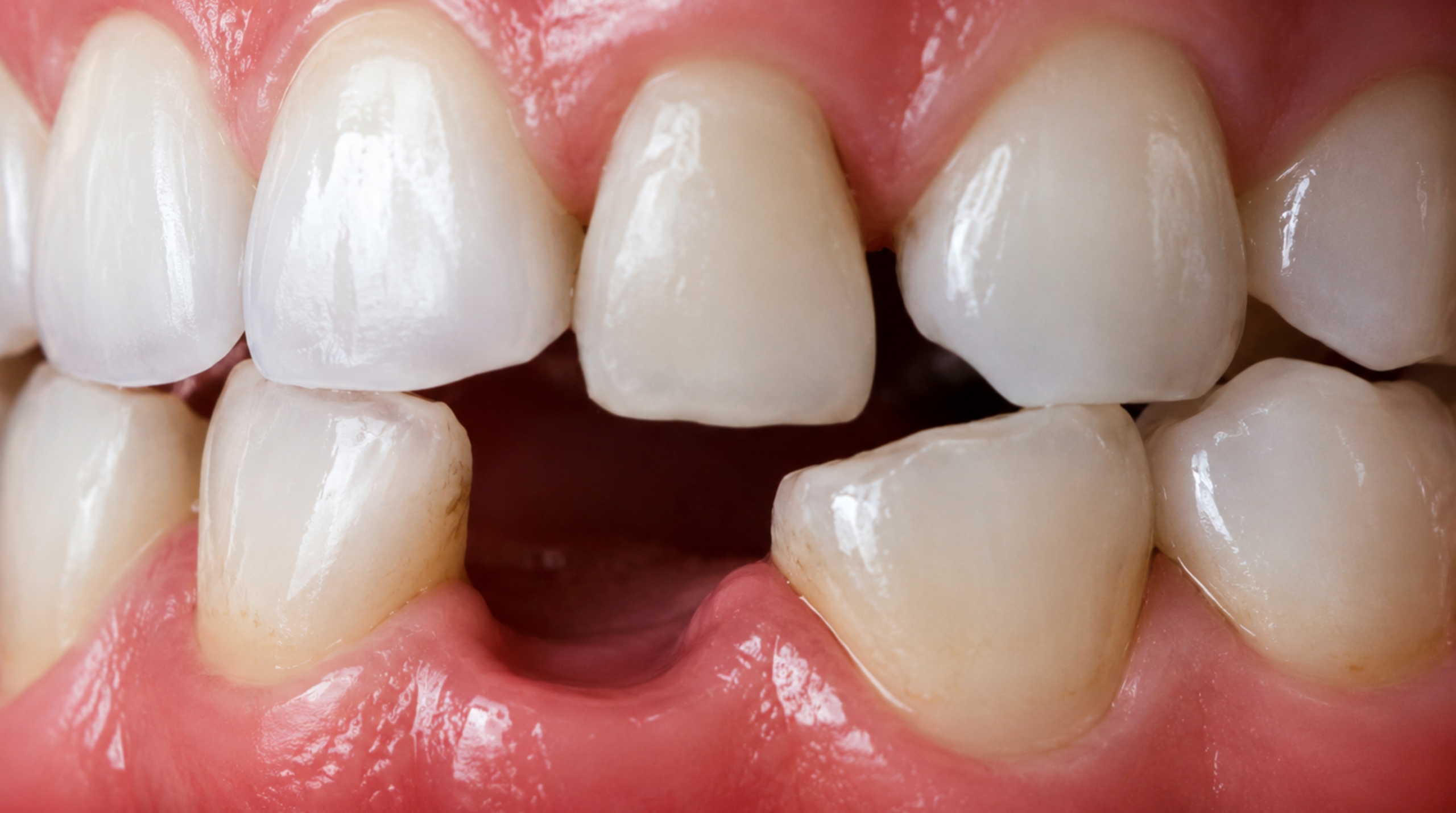
Adjacent teeth may gradually move into the empty space. This can affect alignment, bite function, and how chewing forces are distributed.
Chewing Can Become More Difficult
A lost tooth may make certain foods harder to eat and place additional stress on your remaining teeth.
The Jawbone Will Shrink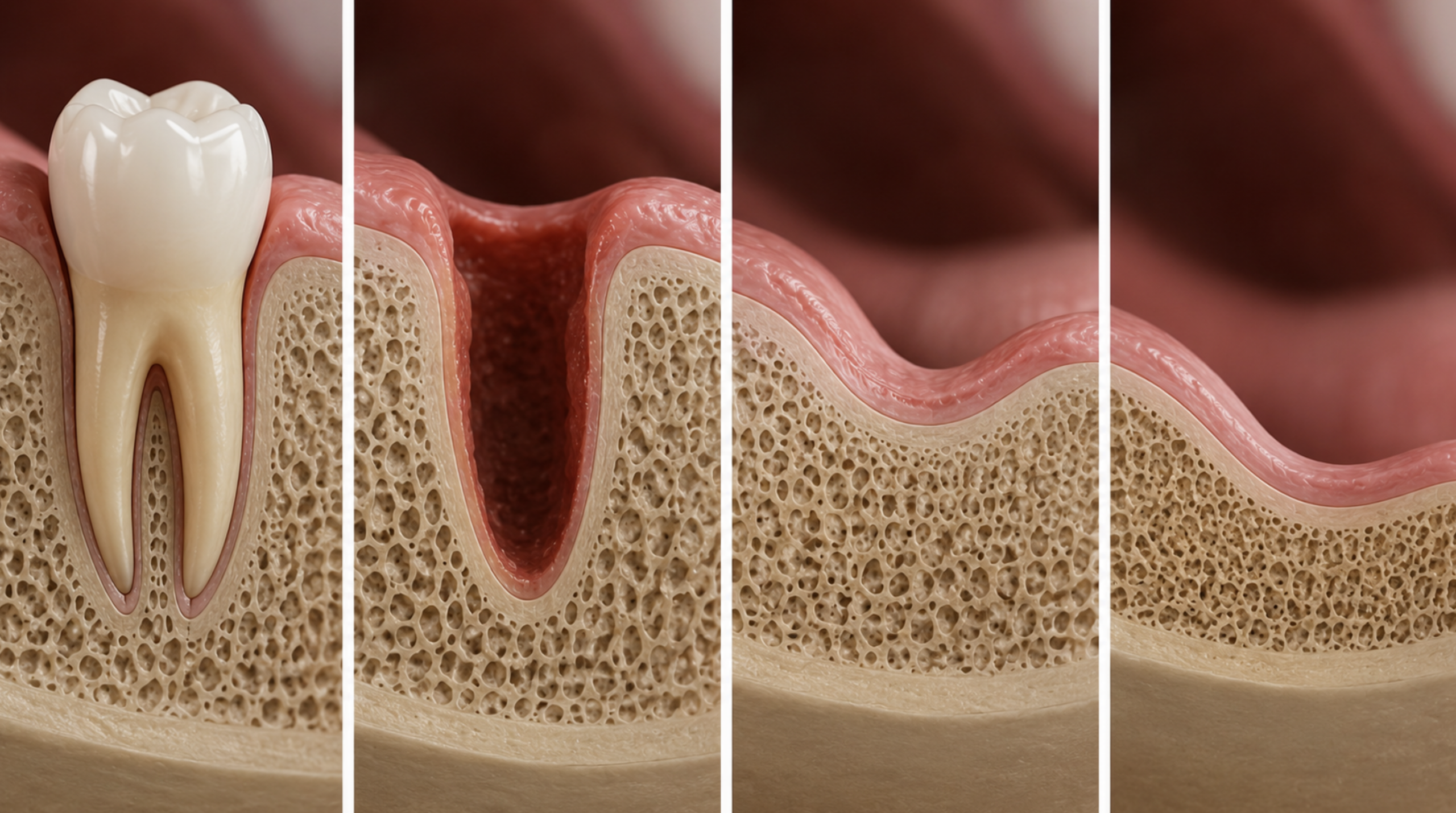
After a tooth is lost, the jawbone that once supported that tooth gradually begins to lose volume. This process is called bone resorption. It is one of the main reasons why replacing a missing tooth with a dental implant as soon as possible is recommended.
Why Are Dental Implants Often the Best Solution?
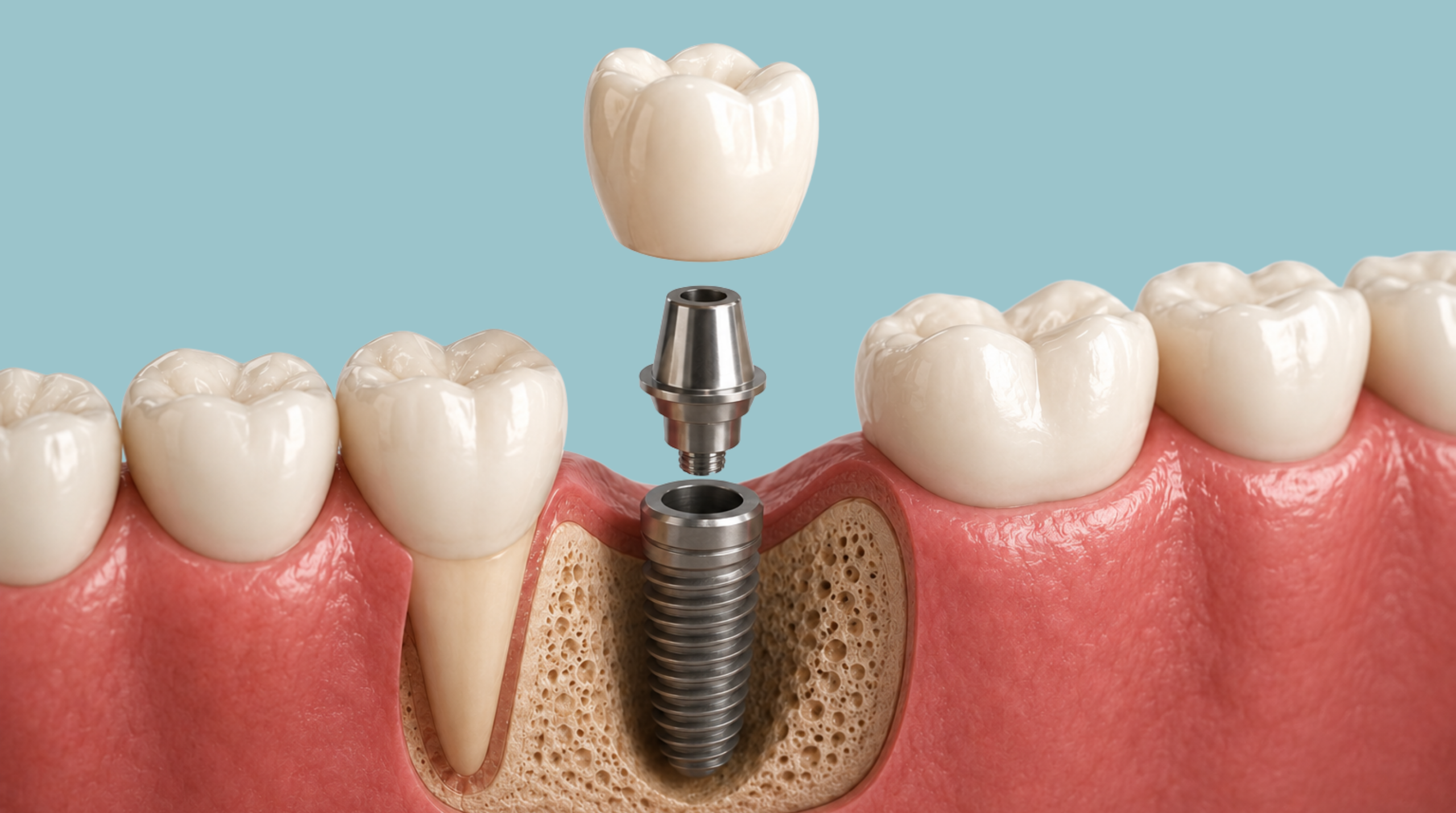
Dental implants are considered the most durable, stable, and natural solution for replacing a missing tooth. They replace the root of the tooth and serve as the foundation for a crown, bridge, or other restoration.
A Fixed and Long-Lasting Solution
The implant is integrated directly into the jawbone. Once healed, it provides stability comparable to that of a natural tooth.
Support for Bone Preservation
Because it functions as an artificial tooth root, an implant transfers chewing forces into the jawbone. This stimulation helps maintain bone volume.
Natural-Looking Results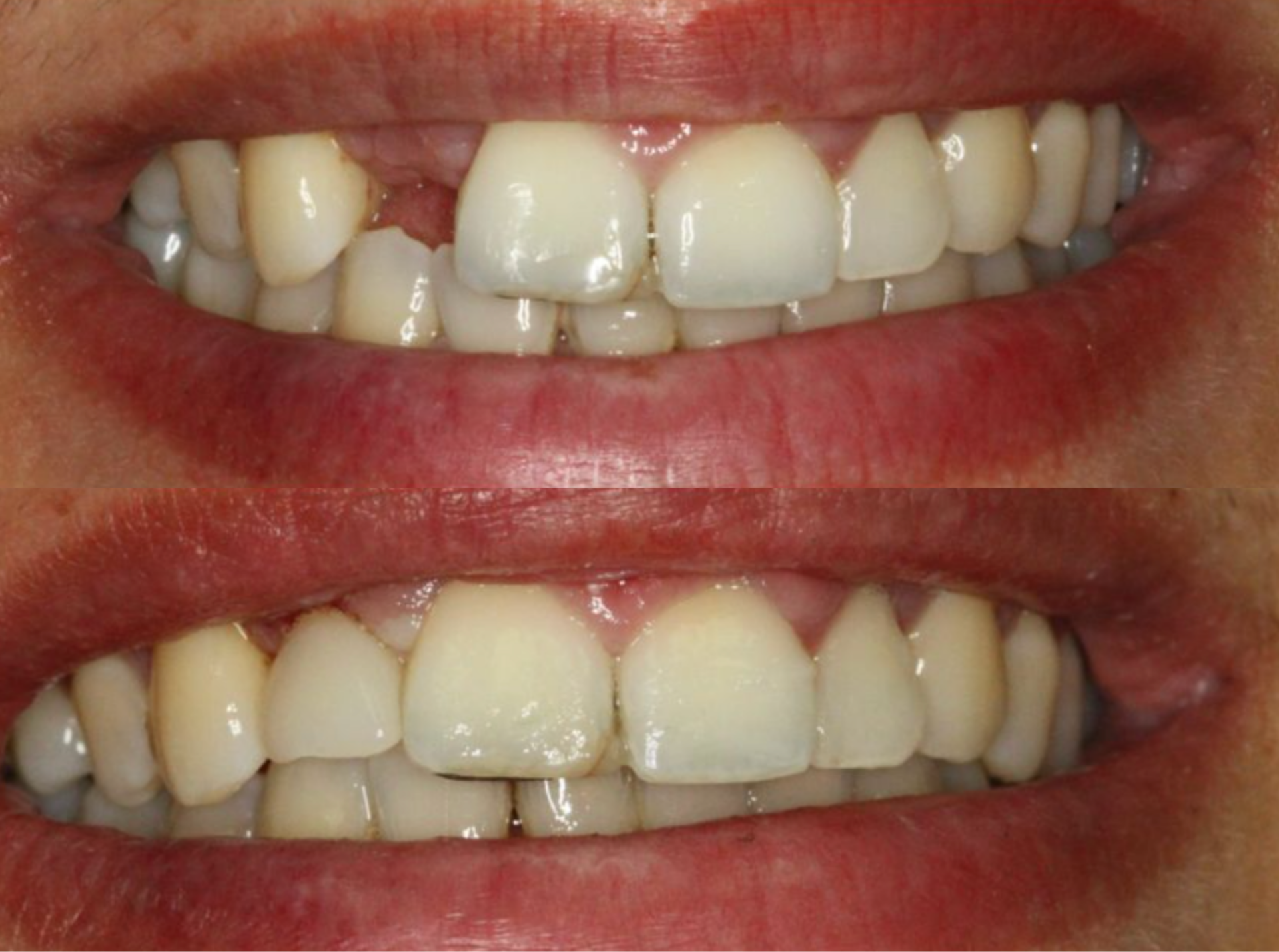
A properly planned dental implant can restore:
- The appearance of your smile
- Chewing ability
- Everyday comfort
- Self-confidence
Protection for Adjacent Teeth
Unlike some dental bridges, an implant does not require altering the adjacent teeth. Dental implants are an effective long-term solution designed to blend seamlessly with your natural teeth.
Who Is a Candidate for a Dental Implant?
Most adults who have lost one or more teeth may be candidates for dental implants.
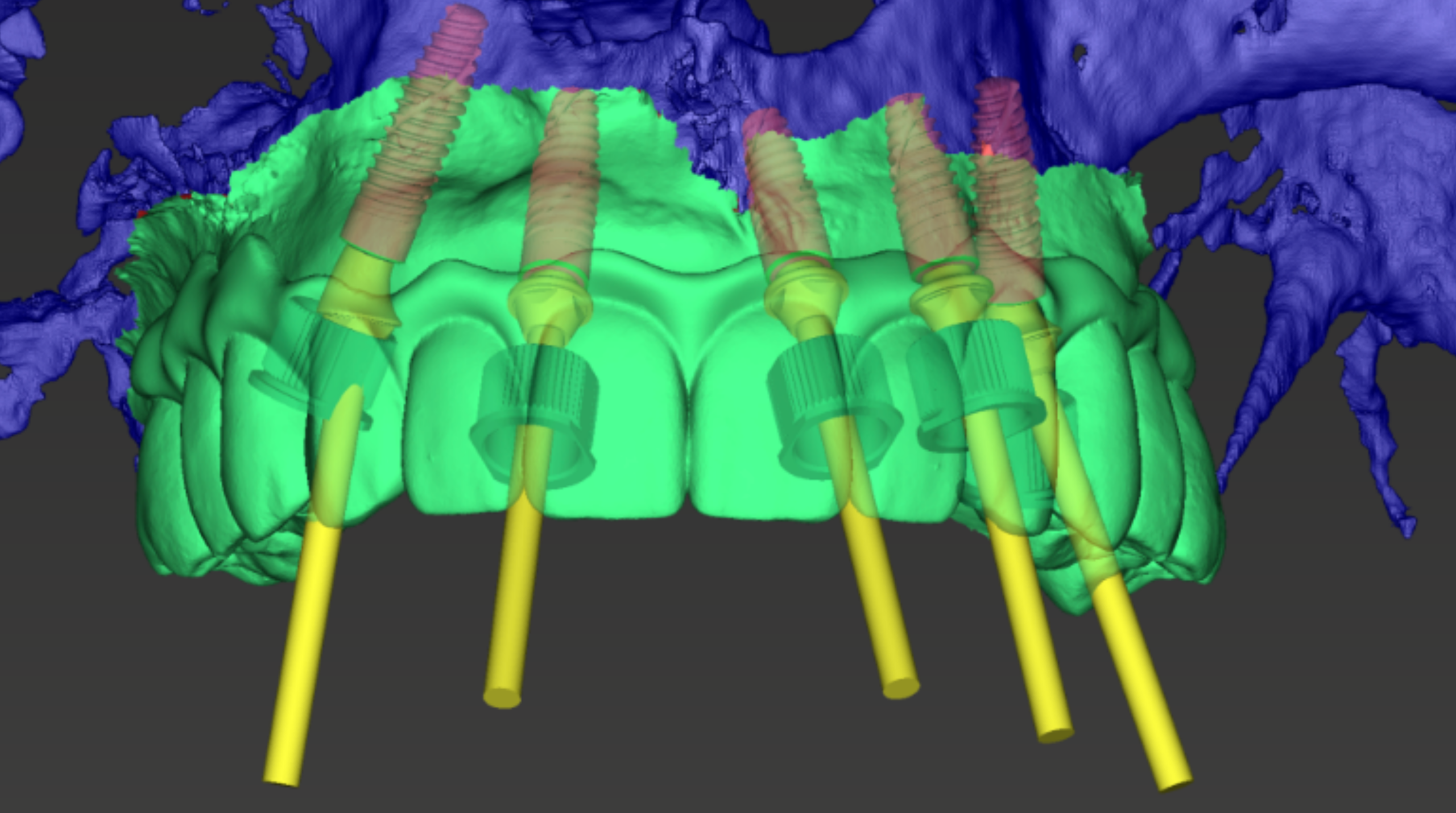
An oral surgeon will evaluate factors such as:
- Gum health
- Bone quantity and quality
- Overall health status
- The presence of infection or inflammation
- Functional and aesthetic goals
Even when bone loss has occurred, bone grafting procedures may sometimes make implant treatment possible.
When Should You See an Oral Surgeon in Montreal?
Seek prompt care if you have:
- a tooth that has been completely knocked out;
- a broken tooth that has come out;
- a facial injury or trauma.
If you have lost a permanent tooth in Montreal, a consultation can help assess whether bone grafting or a dental implant may be appropriate.
Can a Dental Implant Be Placed Immediately After Tooth Loss?
In some cases, yes. A dental implant can sometimes be placed shortly after a tooth is lost or extracted, depending on the condition of the bone, gums, and surrounding tissues.
Potential advantages include:
- Better bone preservation
- Faster treatment timelines
- Fewer procedures
- More predictable aesthetic outcomes
A clinical evaluation is essential to determine whether this option is appropriate for your situation.
What Is the Best Way to Replace a Missing Tooth?
In most cases, dental implants are considered the best solution for replacing a missing tooth. They are fixed, durable, aesthetically pleasing, and help preserve the jawbone. They also provide stability that closely resembles a natural tooth.
FAQ
What Should I Do If an Adult Tooth Falls Out?
Retrieve the tooth, hold it by the crown, keep it moist in milk or saline solution, and seek professional dental care as soon as possible.
How Long Can I Wait Before Replacing a Missing Tooth?
It is generally best not to delay treatment. The longer replacement is postponed, the greater the risk of bone loss and movement of neighbouring teeth.
Can a Lost Tooth Grow Back?
No. A permanent tooth will not grow back once it has been lost.
Are Dental Implants Permanent?
Dental implants are designed as a long-term solution. With good oral hygiene and regular follow-up care, they can last for many years and often for decades.
Is Getting a Dental Implant Painful?
Dental implant placement is typically performed under local anesthesia. Most patients experience temporary and manageable discomfort during the healing process.
Can I Get a Dental Implant Years After Losing a Tooth?
Yes. Even after several years, bone grafting or other preparatory procedures may make implant treatment possible.
How Much Does a Dental Implant Cost in Montreal?
The cost of a dental implant in Montreal typically ranges from $2,500 to $4,000 per tooth, depending on the complexity of treatment, the need for bone grafting, and the type of restoration selected. A personalized consultation is required to obtain an accurate estimate.
Key Takeaways
- Losing a tooth can be traumatic, but acting quickly can improve treatment options.
- A knocked-out tooth should be handled carefully and kept moist.
- A missing tooth can lead to shifting teeth, reduced chewing efficiency, and bone loss.
- Dental implants are considered the most durable and natural solution for replacing a missing tooth.
- Prompt evaluation in Montreal can help identify the most appropriate treatment plan.
Contact Seaforth Oral Surgery in Montreal
Have you lost a tooth?
The team at Seaforth Oral Surgery provides oral surgery and dental implant consultations in Montreal. Schedule your personalized consultation today.
Losing a tooth suddenly can be a traumatic experience. Whether a tooth is knocked out following an accident, sports injury, or facial trauma, it is normal to feel concerned. Acting quickly can improve treatment outcomes. Even when a tooth cannot be saved, highly effective solutions such as dental implants can now replace a missing tooth in a durable and natural-looking way.
Quick Answer
If you suddenly lose a tooth, see a dental professional as quickly as possible. A knocked-out permanent tooth can sometimes be replanted when treated promptly. When the tooth cannot be saved, a dental implant is often the most durable solution for replacing it. It is important to act quickly, handle the tooth by the crown, and avoid contact with the root.
What Should You Do Immediately After Losing a Tooth?
The first few minutes after losing a tooth can affect your treatment options. The goal is simple: protect the tooth, avoid damaging the root, and seek care promptly.
1. Stay Calm and Contact a Professional
Even though the situation can be stressful, avoid waiting several days. A prompt evaluation can determine whether the tooth can be replanted or whether another treatment option should be considered.
2. Pick Up the Tooth Properly
If the tooth has been completely knocked out:
- Hold it by the crown, which is the visible part of the tooth.
- Do not touch the root.
- Handle it as little as possible.
3. Rinse It Gently If Needed
If the tooth is dirty:
- Rinse it gently with water.
- Do not scrub it.
- Do not use soap, alcohol, or disinfectants.
4. Keep the Tooth Moist
Store the tooth in:
- Milk
- Saline solution
- Your saliva, if safe to do so
Avoid using tissues, paper towels, or any other dry container. It is recommended to keep the tooth in your mouth, in milk, or in a tooth preservation solution, and seek dental care immediately.
Can a Knocked-Out Tooth Be Saved?
In some cases, yes. A knocked-out or avulsed permanent tooth can sometimes be replanted successfully, especially when treatment is provided quickly.
The chances of success depend on several factors:
- How much time has passed since the injury
- The condition of the tooth
- The severity of the trauma
- How the tooth was stored
- The condition of the surrounding gums and bone
Even when a tooth cannot be replanted, modern implant dentistry offers highly effective replacement options.
Why Is It Important to Replace a Missing Tooth Quickly?
A missing tooth does more than leave a visible gap in your smile. It can also affect the overall balance and function of your mouth.
Nearby Teeth Can Shift
Adjacent teeth may gradually move into the empty space. This can affect alignment, bite function, and how chewing forces are distributed.
Chewing Can Become More Difficult
A lost tooth may make certain foods harder to eat and place additional stress on your remaining teeth.
The Jawbone Will Shrink
After a tooth is lost, the jawbone that once supported that tooth gradually begins to lose volume. This process is called bone resorption. It is one of the main reasons why replacing a missing tooth with a dental implant as soon as possible is recommended.
Why Are Dental Implants Often the Best Solution?
Dental implants are considered the most durable, stable, and natural solution for replacing a missing tooth. They replace the root of the tooth and serve as the foundation for a crown, bridge, or other restoration.
A Fixed and Long-Lasting Solution
The implant is integrated directly into the jawbone. Once healed, it provides stability comparable to that of a natural tooth.
Support for Bone Preservation
Because it functions as an artificial tooth root, an implant transfers chewing forces into the jawbone. This stimulation helps maintain bone volume.
Natural-Looking Results
A properly planned dental implant can restore:
- The appearance of your smile
- Chewing ability
- Everyday comfort
- Self-confidence
Protection for Adjacent Teeth
Unlike some dental bridges, an implant does not require altering the adjacent teeth. Dental implants are an effective long-term solution designed to blend seamlessly with your natural teeth.
Who Is a Candidate for a Dental Implant?
Most adults who have lost one or more teeth may be candidates for dental implants.
An oral surgeon will evaluate factors such as:
- Gum health
- Bone quantity and quality
- Overall health status
- The presence of infection or inflammation
- Functional and aesthetic goals
Even when bone loss has occurred, bone grafting procedures may sometimes make implant treatment possible.
When Should You See an Oral Surgeon in Montreal?
Seek prompt care if you have:
- a tooth that has been completely knocked out;
- a broken tooth that has come out;
- a facial injury or trauma.
If you have lost a permanent tooth in Montreal, a consultation can help assess whether bone grafting or a dental implant may be appropriate.
Can a Dental Implant Be Placed Immediately After Tooth Loss?
In some cases, yes. A dental implant can sometimes be placed shortly after a tooth is lost or extracted, depending on the condition of the bone, gums, and surrounding tissues.
Potential advantages include:
- Better bone preservation
- Faster treatment timelines
- Fewer procedures
- More predictable aesthetic outcomes
A clinical evaluation is essential to determine whether this option is appropriate for your situation.
What Is the Best Way to Replace a Missing Tooth?
In most cases, dental implants are considered the best solution for replacing a missing tooth. They are fixed, durable, aesthetically pleasing, and help preserve the jawbone. They also provide stability that closely resembles a natural tooth.
FAQ
What Should I Do If an Adult Tooth Falls Out?
Retrieve the tooth, hold it by the crown, keep it moist in milk or saline solution, and seek professional dental care as soon as possible.
How Long Can I Wait Before Replacing a Missing Tooth?
It is generally best not to delay treatment. The longer replacement is postponed, the greater the risk of bone loss and movement of neighbouring teeth.
Can a Lost Tooth Grow Back?
No. A permanent tooth will not grow back once it has been lost.
Are Dental Implants Permanent?
Dental implants are designed as a long-term solution. With good oral hygiene and regular follow-up care, they can last for many years and often for decades.
Is Getting a Dental Implant Painful?
Dental implant placement is typically performed under local anesthesia. Most patients experience temporary and manageable discomfort during the healing process.
Can I Get a Dental Implant Years After Losing a Tooth?
Yes. Even after several years, bone grafting or other preparatory procedures may make implant treatment possible.
How Much Does a Dental Implant Cost in Montreal?
The cost of a dental implant in Montreal typically ranges from $2,500 to $4,000 per tooth, depending on the complexity of treatment, the need for bone grafting, and the type of restoration selected. A personalized consultation is required to obtain an accurate estimate.
Key Takeaways
- Losing a tooth can be traumatic, but acting quickly can improve treatment options.
- A knocked-out tooth should be handled carefully and kept moist.
- A missing tooth can lead to shifting teeth, reduced chewing efficiency, and bone loss.
- Dental implants are considered the most durable and natural solution for replacing a missing tooth.
- Prompt evaluation in Montreal can help identify the most appropriate treatment plan.
Contact Seaforth Oral Surgery in Montreal
Have you lost a tooth?
The team at Seaforth Oral Surgery provides oral surgery and dental implant consultations in Montreal. Schedule your personalized consultation today.