Are you wondering whether you’re too old — or too young — to get dental implants? For adults, there is generally no universal maximum age for dental implant treatment. Whether you’re 70, 80, or older, you may still be a candidate depending on your overall health, oral health, and anatomy.
For adolescents and young adults, the key consideration is different. Permanent implants are generally placed once jaw growth is sufficiently advanced or complete.
Ultimately, age alone does not determine whether you’re a candidate for dental implants. Factors such as your overall health, medications, oral health, available bone, and ability to maintain good oral hygiene are generally more important.
Is There a Maximum Age for Dental Implants?
Rather than focusing on a specific age cutoff, oral surgeons assess whether your health and anatomy are suitable for implant treatment.
Two people who are both 78, for example, may have very different treatment considerations. One may have sufficient bone, good oral health, and no significant medical concerns. The other may have a medical condition that is not well controlled or take medications that require additional precautions or changes to the treatment plan.
This is why setting an arbitrary limit at 65, 70, 75, or 80 can be misleading. What matters is whether implant treatment can be planned safely and predictably for your individual circumstances.
Research also supports the use of dental implants in appropriately selected older adults.
In short: Being older does not automatically rule out dental implants. A thorough assessment is needed to determine whether treatment is appropriate for you.
Can You Get Dental Implants at 70, 80, or After 85?
Yes, potentially. Dental implants may remain an option well into your 70s, 80s, and beyond. What changes with age is not necessarily your eligibility, but the factors your oral surgeon may need to consider when planning treatment.

Can You Get Dental Implants at 70?
At 70, implant treatment may still be a suitable option. Your oral surgeon will look at your individual health and anatomy to determine whether the procedure can be performed safely and whether the implant has appropriate conditions for healing.
Can You Get Dental Implants at 80?
At 80, the assessment may place greater emphasis on your overall health, medications, healing capacity, and the complexity of the proposed procedure. The goal is to ensure that the expected benefits of treatment are appropriate for your individual situation.
Can You Get Dental Implants After Age 85?
After 85, your functional health and individual circumstances become especially important. Your oral surgeon may consider your independence, surgical risks, recovery demands, and how much the treatment is expected to improve your comfort and function.
In some cases, a less complex treatment may offer a better balance of benefits and risks, even when implant surgery is technically possible.
The goal at any age is not simply to determine whether implants can be placed, but whether they are the right treatment for you.
What Is the Minimum Age for a Dental Implant?
There is no single minimum age for dental implants. For younger patients, the key factor is skeletal maturity rather than a specific birthday.
This means that a rule such as “dental implants can be placed starting at age 18” is too simplistic. Jaw growth varies from person to person and may continue beyond that age.
Why Does Jaw Growth Matter?
Natural teeth and the jaws continue to change as the face develops. A dental implant, however, becomes fixed in the bone and does not move or adapt in the same way as a natural tooth.
If an implant is placed before growth is complete, the surrounding teeth and jaw may continue to develop while the implant remains in the same position. Over time, this can affect how the implant crown lines up with the neighbouring teeth.
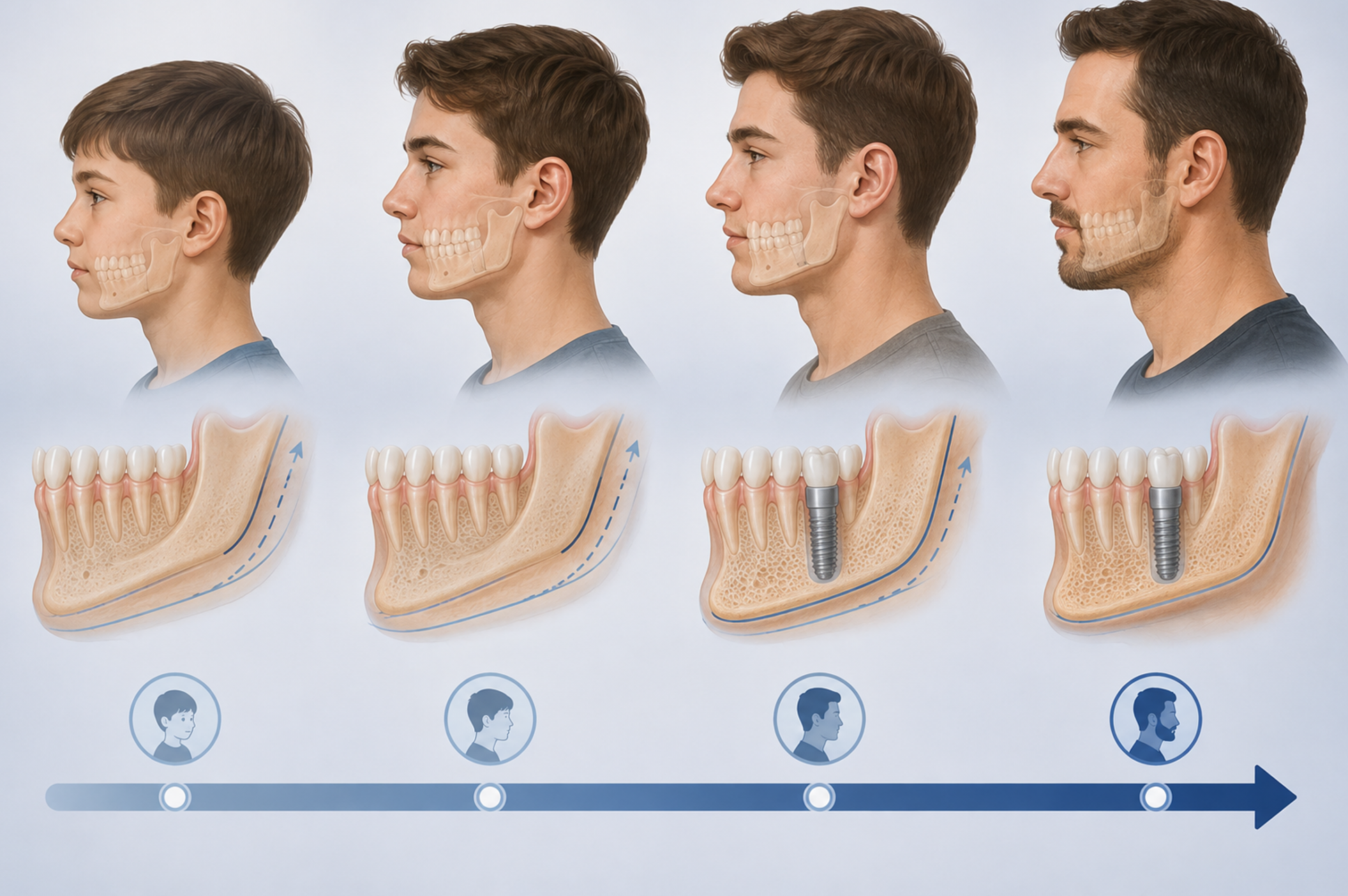
Possible concerns include:
- differences in height between the implant crown and adjacent teeth;
- infraocclusion, where the implant crown gradually appears lower than neighbouring teeth;
- changes in alignment;
- a less predictable aesthetic result;
- the need for future adjustments or additional treatment.
For younger patients, assessing jaw growth is therefore more useful than relying on age alone when determining the appropriate time for implant placement.
What Factors Matter More Than Age for Dental Implants?
When assessing you for dental implants, your oral surgeon looks at the complete clinical picture. The goal is to determine whether implant surgery can be performed safely and whether the implant can be properly supported and maintained over time.
Your Overall Health
Having a chronic medical condition does not automatically prevent you from receiving dental implants. What matters is the condition itself, how well it is controlled, and how it may affect surgery or healing.
For example, two people with diabetes may have very different treatment considerations depending on how well their condition is managed and their overall health.
The Health of Your Mouth and Gums
Healthy gums and surrounding tissues help create a favourable environment for implant treatment. Active infections, periodontal disease, or other oral health concerns may need to be addressed before surgery.
Once an implant is placed, maintaining healthy tissues around it remains important for its long-term stability.
The Quantity and Quality of Available Bone
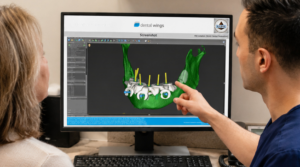
Dental implants need adequate bone support and must be carefully positioned in relation to nearby anatomical structures. Depending on your case, 3D imaging may be used to assess:
- bone height and width;
- the shape of your jaw;
- nearby anatomical structures;
- the planned implant position.
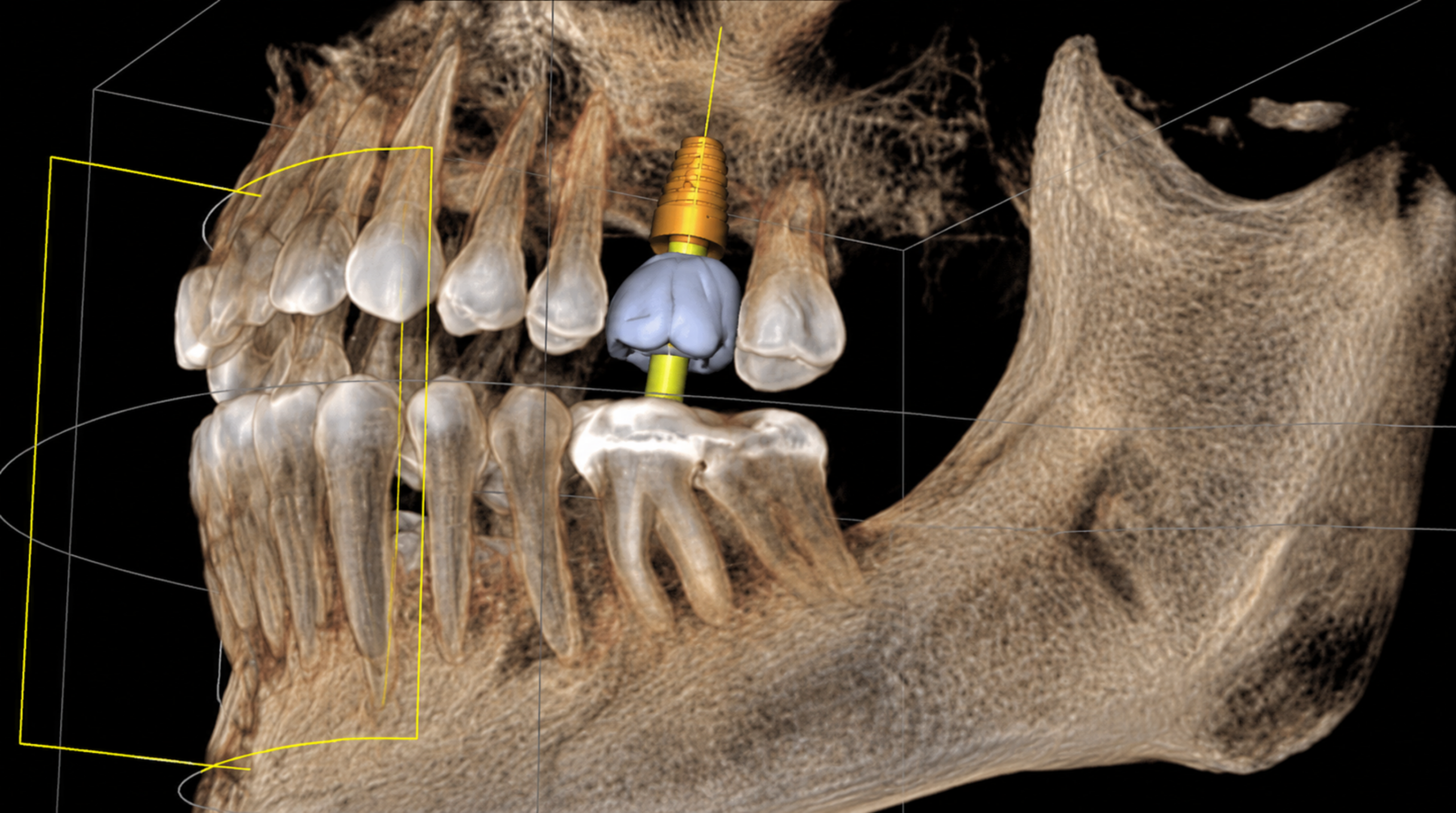
Limited bone does not necessarily rule out dental implants. In some cases, a bone graft or another treatment approach, like zygomatic implants may be considered.
Your Medications and Medical Treatments
Some medications and medical treatments can affect healing, bleeding, bone metabolism, or surgical planning. This is why your oral surgeon needs a complete and up-to-date list of the medications you take and treatments you receive.
Certain antiresorptive therapies used for osteoporosis or in some cancer treatments, for example, require special consideration.
Never stop or change a medication on your own before implant surgery. Any changes should be made only under the direction of the appropriate healthcare professional.
Smoking
Smoking is associated with a higher risk of implant failure and bone loss around dental implants. However, smoking does not automatically exclude you from treatment.
Your individual risk can be assessed, and your oral surgeon can discuss ways to help reduce it before and after surgery.
Your Ability to Care for Your Implants
Dental implants require ongoing care. Long-term maintenance includes:
- thorough daily cleaning;
- regular dental examinations;
- professional follow-up;
- prompt attention to inflammation or other concerns.
This ongoing care is essential at any age and plays an important role in maintaining the health of your implants and the tissues around them.
Do Older Adults Heal Well After Dental Implant Surgery?
Yes. Many older adults recover well after dental implant surgery. How you heal depends more on your individual health and circumstances than on your age alone.
Factors that can affect recovery include:
- overall health and how well medical conditions are controlled;
- medications;
- smoking;
- bone and soft tissue health;
- nutritional status;
- the complexity of the procedure; and
- how closely postoperative instructions are followed.
Studies in older adults have reported generally favourable outcomes when patients are appropriately selected for treatment.
In short: Healing varies from person to person. An individual assessment helps your oral surgeon identify factors that could affect recovery and plan treatment accordingly.
Can You Get Implants After Wearing Dentures for Many Years?
In many cases, yes. Wearing dentures for 10, 20 years, or longer does not necessarily mean you’ve missed the opportunity to consider dental implants.
After tooth loss, the jawbone naturally changes over time and may gradually lose volume. As a result, people who have worn complete dentures for many years may have less bone available to support implants.
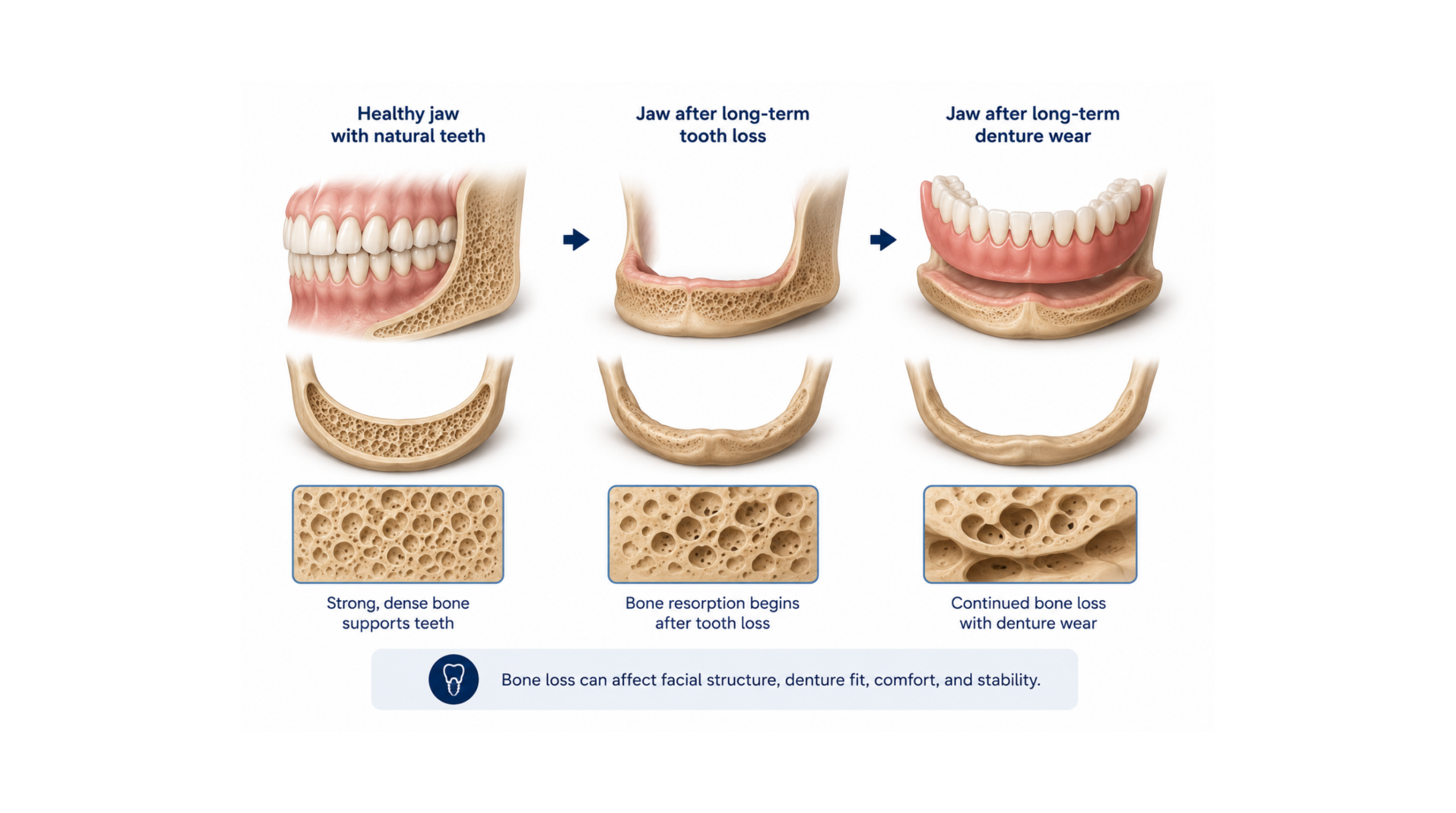
To understand what options may be possible, your surgeon will assess factors such as:
- how much bone remains;
- the shape of your jaw;
- the condition of your gums and surrounding tissues;
- how well your current dentures fit and function;
- your needs and treatment goals.
Depending on these findings, implants may be used to provide greater stability for a removable denture. For some patients, a fixed full-arch restoration (like All-on-4 or All-on-X) may also be an option.
Can You Get Dental Implants If You Have Limited Bone?
In many cases, limited jawbone does not automatically rule out dental implants. The amount and location of the available bone can influence how treatment is planned.
Bone loss can occur for several reasons, including long-standing tooth loss, periodontal disease, and individual anatomy. Depending on your situation and the type of restoration being considered, treatment options may include:
- adjusting the implant position or treatment strategy;
- performing a bone graft when needed;
- considering a full-arch solution such as All-on-X;
- for certain complex cases involving severe bone loss in the upper jaw, considering zygomatic implants.
Not every patient needs a bone graft before receiving dental implants. A clinical assessment and 3D imaging allow the oral surgeon to evaluate your bone and determine which approach may be appropriate for you.
All-on-X and Zygomatic Implants: Is Age a Factor?
For more complex implant needs, the type of treatment recommended is driven more by your dental condition and anatomy than by your age. All-on-X and zygomatic implants address different clinical situations and are considered on an individual basis.
All-on-X
All-on-X uses several strategically positioned implants to support a full-arch restoration.
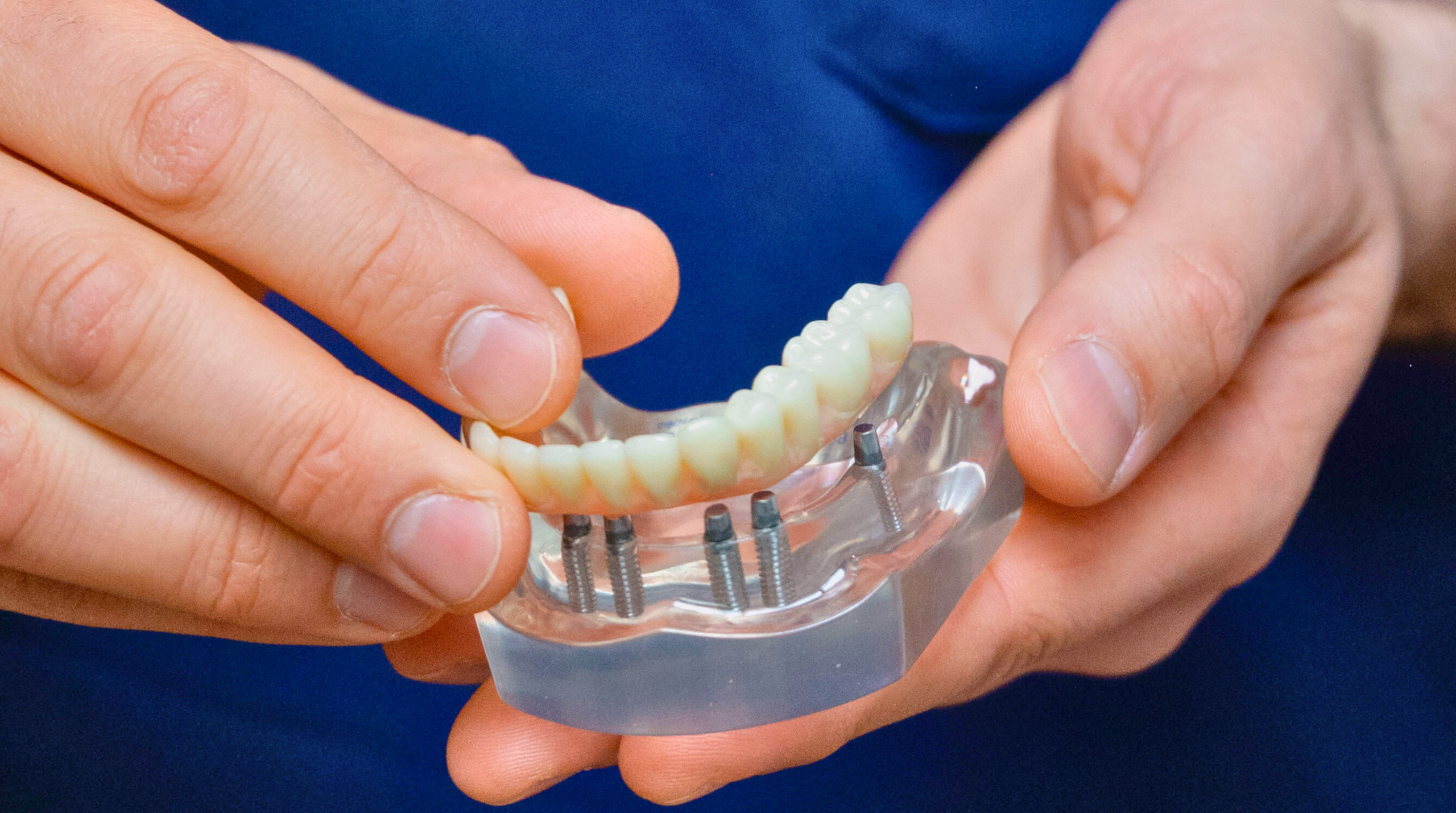
This approach may be considered if you:
- have lost all or nearly all the teeth in an arch;
- have several remaining teeth with a poor prognosis;
- want a more stable alternative to a traditional removable denture.
For older adults, the assessment focuses on whether the procedure is appropriate based on factors such as overall health, oral health, bone anatomy, and treatment goals — rather than age alone.
Zygomatic Implants
Zygomatic implants may be considered for certain patients with severe bone loss in the upper jaw.
Unlike conventional implants, these specialized implants are anchored in the zygomatic region, near the cheekbone. This can provide an alternative in complex cases where there is not enough upper jawbone to support conventional implants.
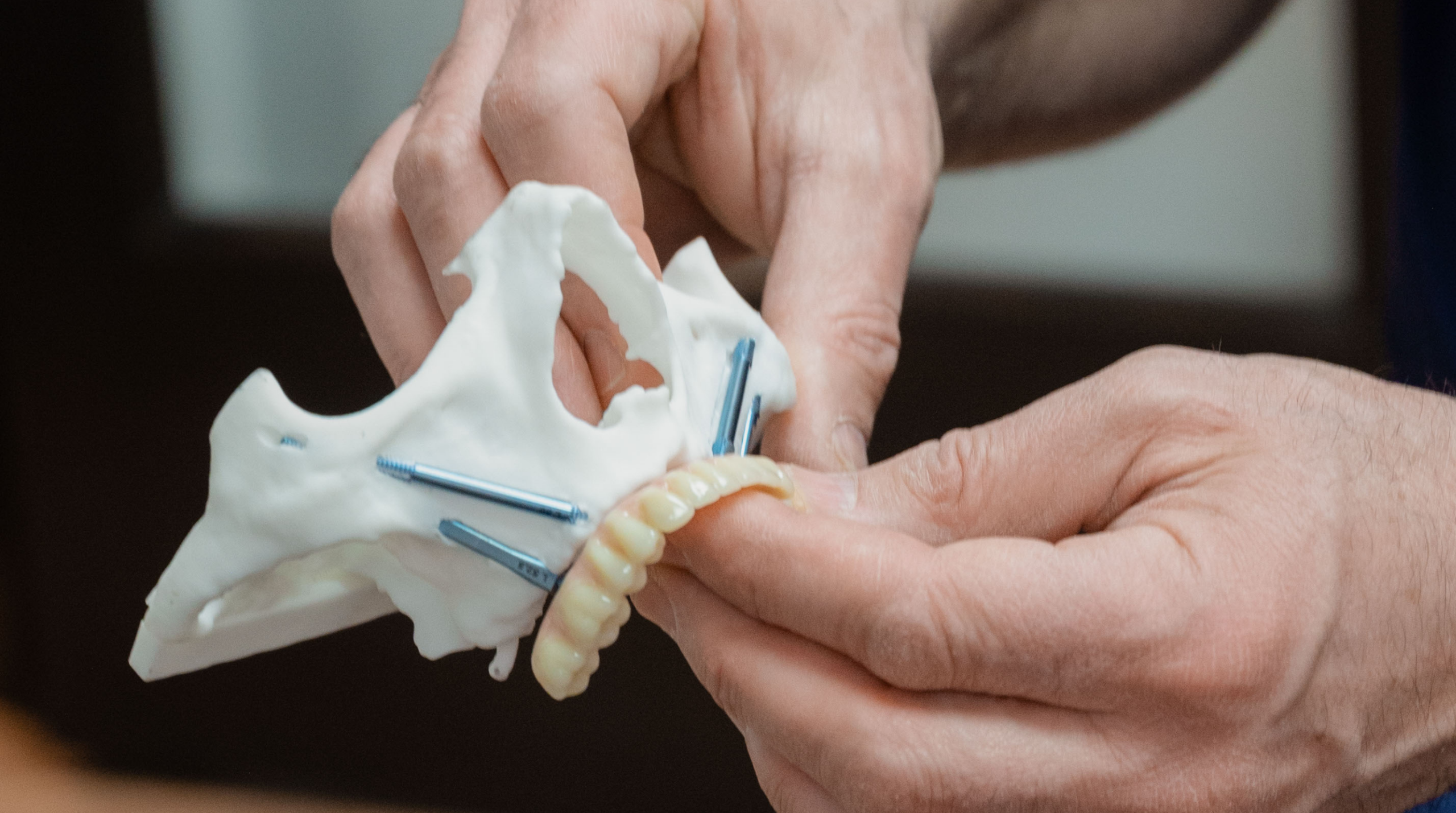
The need for zygomatic implants is therefore primarily anatomical and clinical, not age-related.
At Seaforth Oral Surgery in Montreal, a specialized assessment can help determine which implant options may be appropriate when your treatment needs are more complex.
Can Certain Medical Conditions or Medications Prevent You From Getting Implants?
Not necessarily. A medical condition or prescription medication may affect how implant treatment is planned, rather than automatically ruling it out.
Your surgeon will consider:
- the type of medical condition and how well it is controlled;
- the medications or treatments you receive;
- factors that may affect surgery, bone health, or healing.
This can be especially important for people with diabetes, cardiovascular disease, osteoporosis, certain immune-related conditions, or those undergoing some cancer treatments.
Depending on your medical history, your surgeon may also consult with your physician before proceeding.
In short: There is no one-size-fits-all list of conditions or medications that automatically prevent implant treatment. Your overall medical history and individual risk factors need to be assessed together.
How Do You Know If You Are a Candidate for Dental Implants?
Determining whether dental implants are right for you requires an individual assessment. A consultation helps your oral surgeon understand your needs, evaluate your specific situation, and identify which treatment options may be appropriate.
A dental implant consultation may include:
- discussing your needs, concerns, and treatment goals;
- reviewing your medical history and medications;
- examining your gums, teeth, and overall oral health;
- taking X-rays and, when needed, 3D imaging;
- evaluating the amount and quality of available bone;
- reviewing suitable treatment options, along with their benefits, limitations, and risks.
Depending on your needs, treatment may involve a single dental implant, multiple implants, an implant-supported bridge or denture, or an All-on-X restoration. Some patients may also require bone grafting, while certain complex cases may be considered for zygomatic implants.
Instead of focusing on “Am I too old for dental implants?”, a more useful question is: “Which treatment option is most appropriate for my health, anatomy, and needs?”
Key Takeaways
- There is no single age that determines eligibility for dental implants.
- In older adults, the focus is on overall health, oral health, bone availability, medications, and whether any medical conditions are well controlled.
- In younger patients, jaw growth and development are important considerations before permanent implant placement.
- Long-term denture use or bone loss does not automatically rule out dental implants; additional treatment may sometimes be needed.
- A clinical and radiographic assessment is needed to determine whether implants are appropriate for your individual situation.
Dental Implant Consultation in Montreal
If you’re considering dental implants, the next step is to determine which treatment options are appropriate for your individual needs.