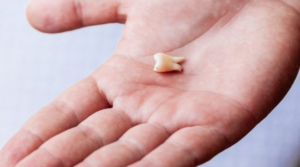
Losing a single tooth may seem minor at first, but it can quickly impact your bite, your confidence, and the overall health of your smile. For many patients considering a dental implant in Montreal, the concern goes beyond appearance—it becomes a question of function, comfort, and long-term results. In specialist oral surgery, a single tooth implant is often considered the most complete and reliable solution for replacing one missing tooth while preserving bone structure and ensuring long-term stability.
Summary
A single tooth dental implant in Montreal replaces both the visible tooth and its root, with the implant securely anchored into the jawbone for optimal stability and long-term success. This distinction is important.
Unlike other tooth replacement options, dental implants can help prevent bone loss, protect adjacent natural teeth, and provide a strong foundation for a custom dental crown.
The dental implant procedure in Montreal is typically completed in stages by an oral surgeon, with healing over several months as the implant integrates with the jawbone.
While the full healing process takes time, some patients may be eligible for same-day temporary teeth that restore the appearance of their smile while the implant heals.
Ultimately, patients benefit from results that are durable, functional, and highly natural in appearance.
What Is a Single Tooth Dental Implant?
A dental implant in Montreal for a single missing tooth typically consists of three components: a small titanium post placed in the jawbone, a connector called an abutment, and a custom-made dental crown.
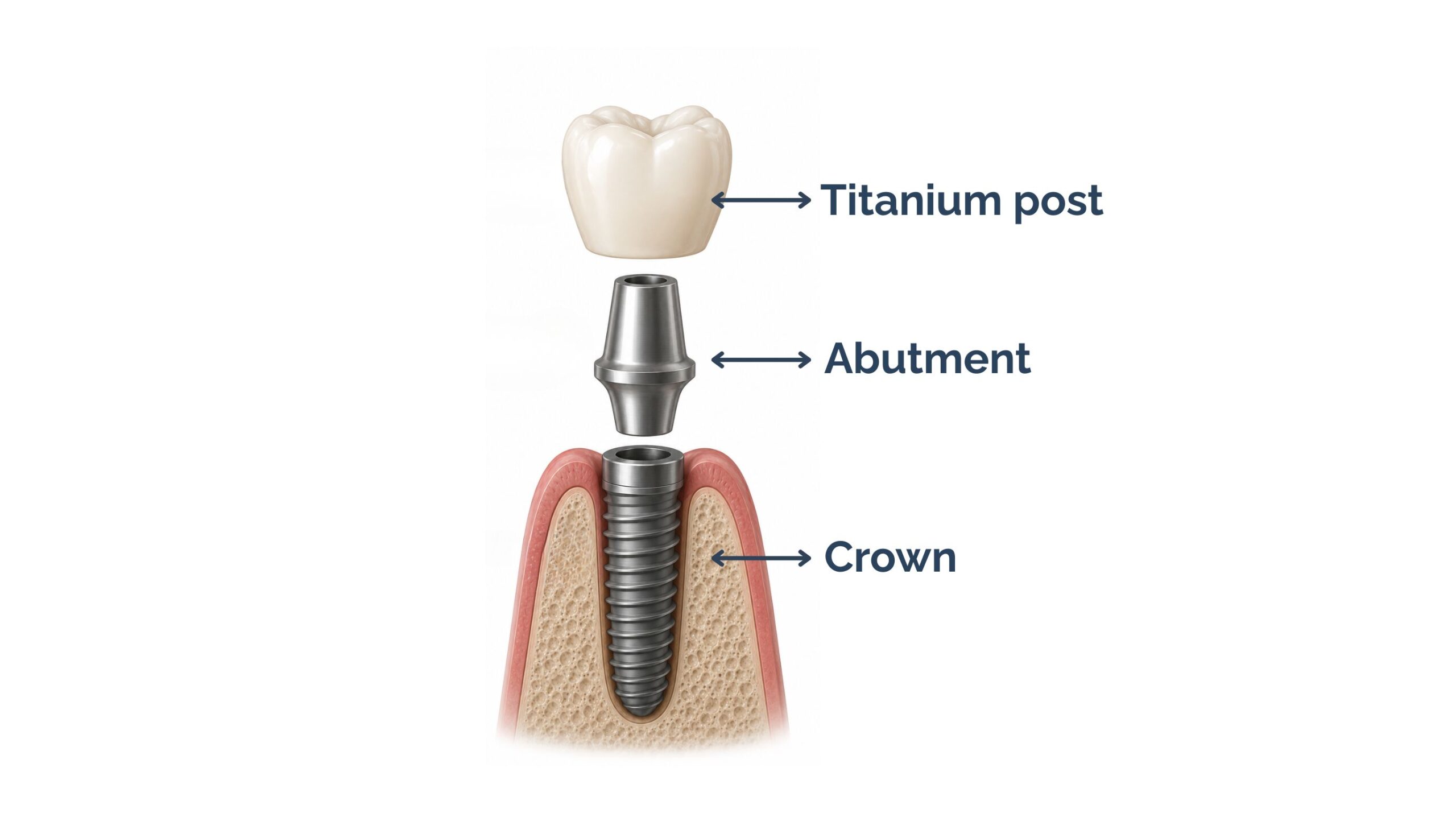
The implant itself acts as an artificial root, replacing the missing tooth root beneath the surface. For this reason, an implant is not just a cosmetic solution—it serves as the structural foundation of the restoration.
Its long-term success depends on the health of the surrounding bone, gums, and overall oral condition, not just the site of the missing tooth.
The biological process behind a dental implant procedure is called osseointegration. In simple terms, the surrounding bone gradually fuses with the titanium implant, creating strong and stable support over time.
This healing process allows the implant to function as a long-term anchor rather than a removable replacement. In oral surgery, replacing the root is essential, because once a tooth is lost, there is no longer anything stimulating the underlying bone in the same way.
Why Replacing One Tooth Matters More Than You Think
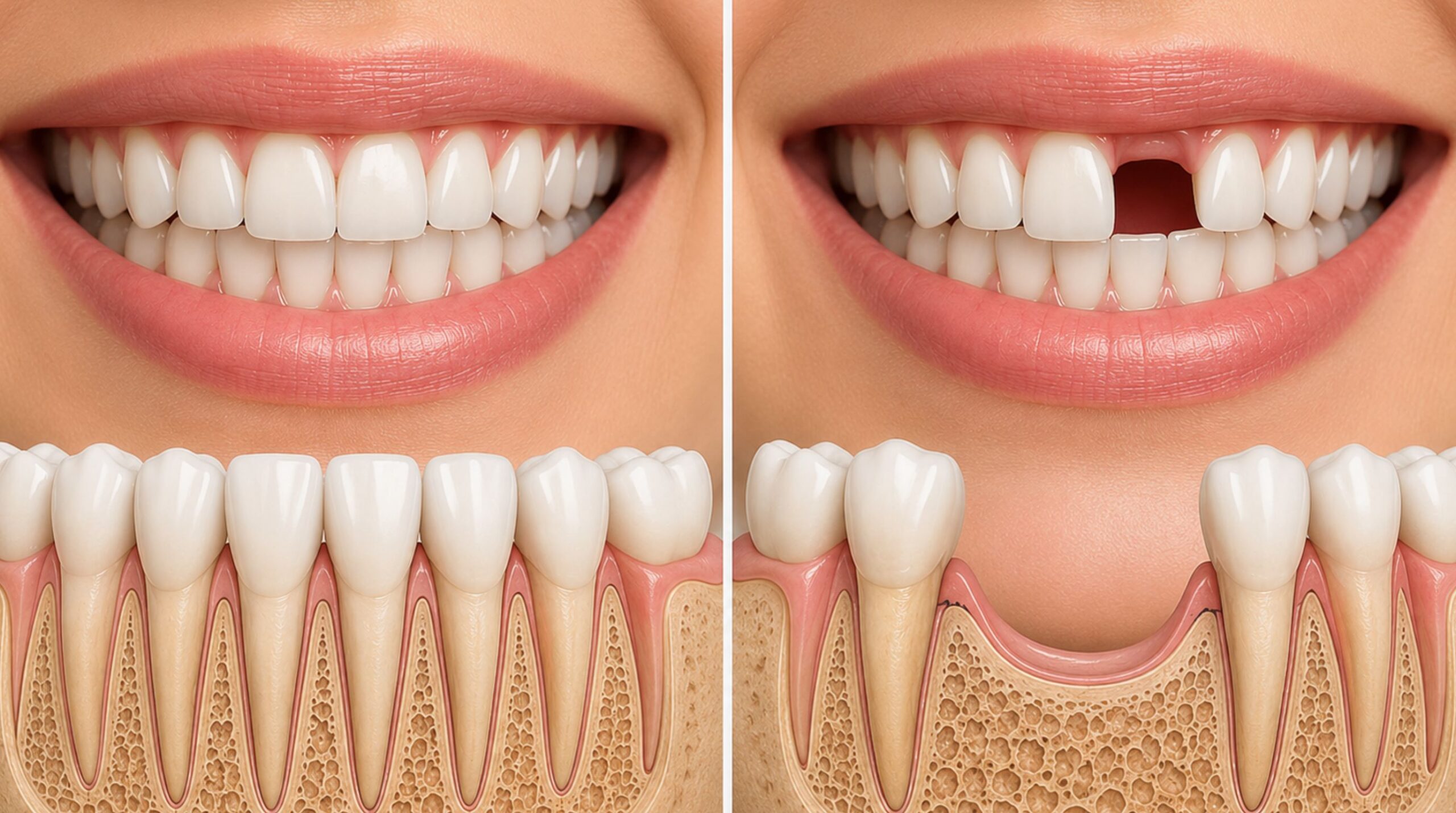
A single missing tooth does not remain biologically isolated. After tooth loss, the surrounding bone begins to change and shrink—a process known as bone resorption.
This bone loss is most significant in the first few months and can noticeably reduce the width and volume of the jawbone within the first year. That is why early treatment to replace a missing tooth is often simpler and more predictable than waiting.
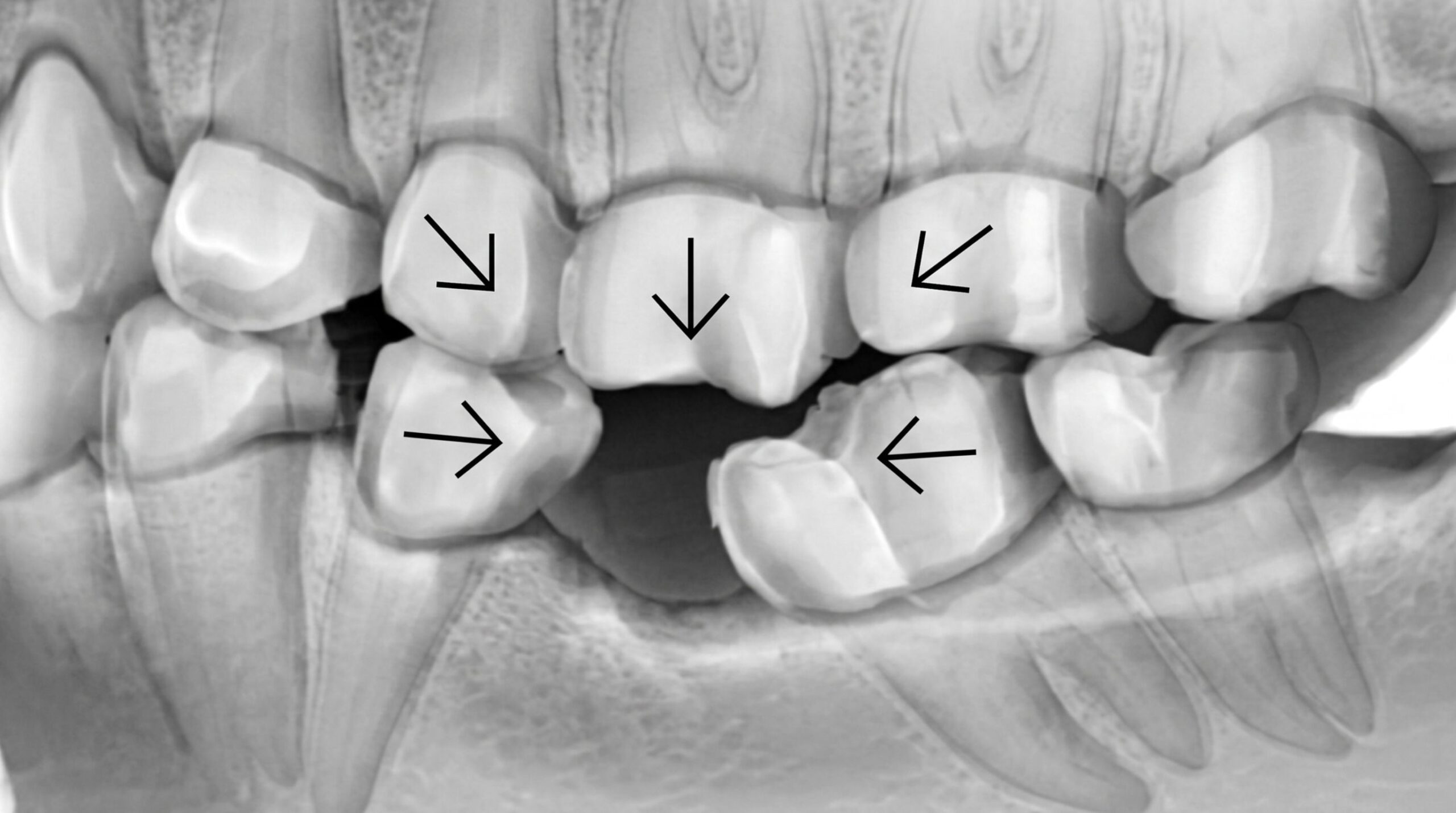
At the same time, neighbouring teeth may begin to shift into the empty space. Opposing teeth can also move out of position, leading to gradual changes in your bite.
What starts as a single gap can eventually affect your bite alignment, oral hygiene, and overall dental health.
From a facial perspective, long-term tooth loss may also lead to a loss of support in the surrounding structures. In more advanced cases, especially when multiple teeth are missing, this can contribute to visible changes in facial appearance.
Even though these effects are more pronounced when several teeth are missing, leaving a single tooth untreated can still lead to long-term complications.
A dental implant in Montreal provides a stable, fixed solution that stimulates the jawbone, helping maintain proper function and long-term oral health.
Who Is a Good Candidate for a Dental Implant in Montreal?
A good candidate for a dental implant in Montreal typically has healthy gums, sufficient jawbone volume, and no uncontrolled medical conditions that could interfere with healing. The ideal patient does not need to be perfect, but should be in generally good health, maintain proper oral hygiene, and be committed to long-term care after treatment. While smoking does not automatically rule out dental implants, reducing or controlling the habit can significantly improve outcomes.
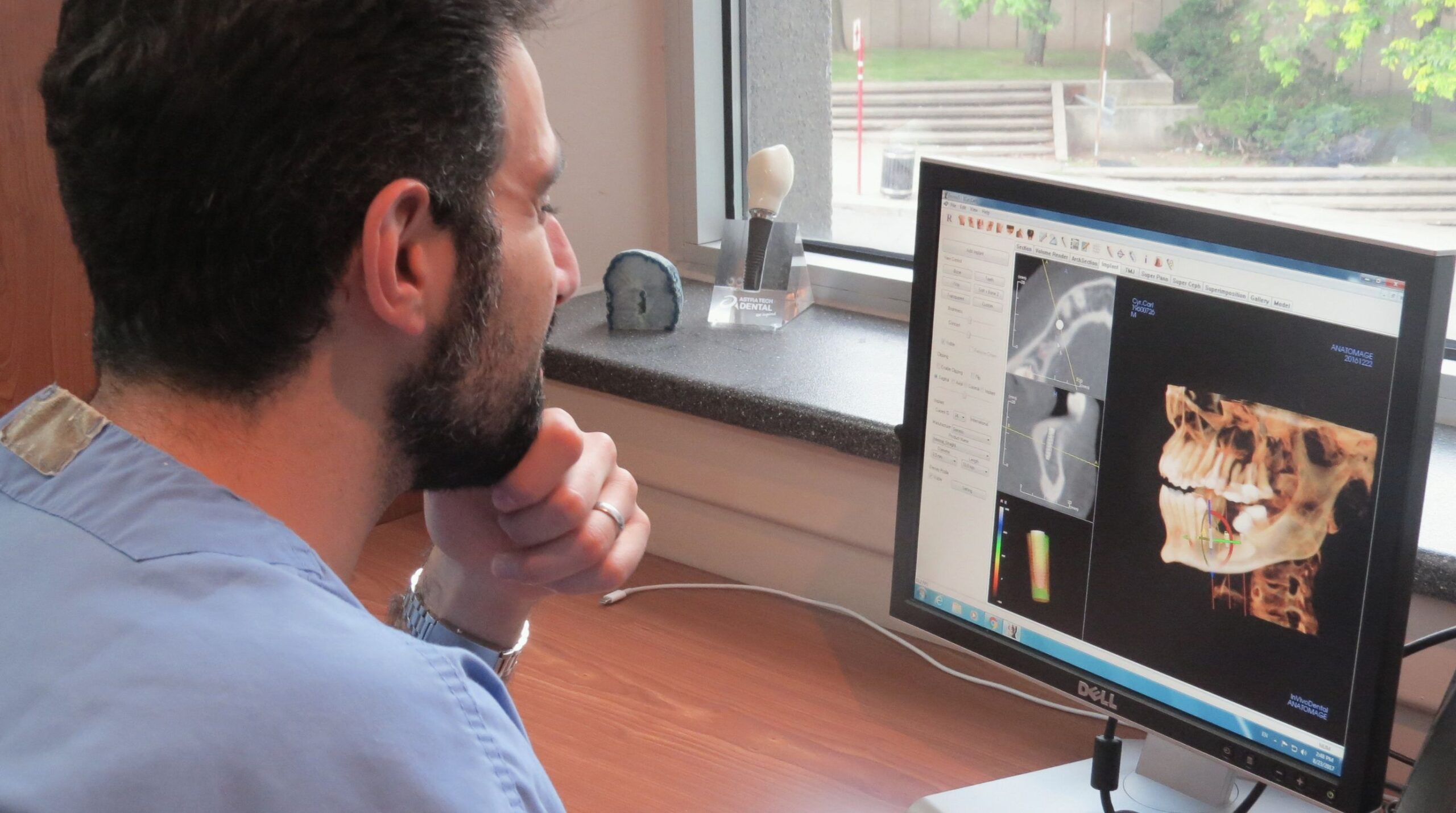
In oral surgery, candidacy is never assumed—it is carefully evaluated through a clinical examination, diagnostic imaging, and a detailed treatment plan. A collaborative dental implant team plays an essential role in assessing each patient and developing a personalized approach tailored to their specific needs.
This is important because dental implant procedures are not purely mechanical. They are biologically driven treatments influenced by bone quality, gum health, and overall systemic health.
When Bone Grafting May Be Needed
If bone loss has occurred after tooth loss, bone grafting may be recommended before or at the time of implant placement. This is particularly important when there is not enough bone height or width to properly support the implant.
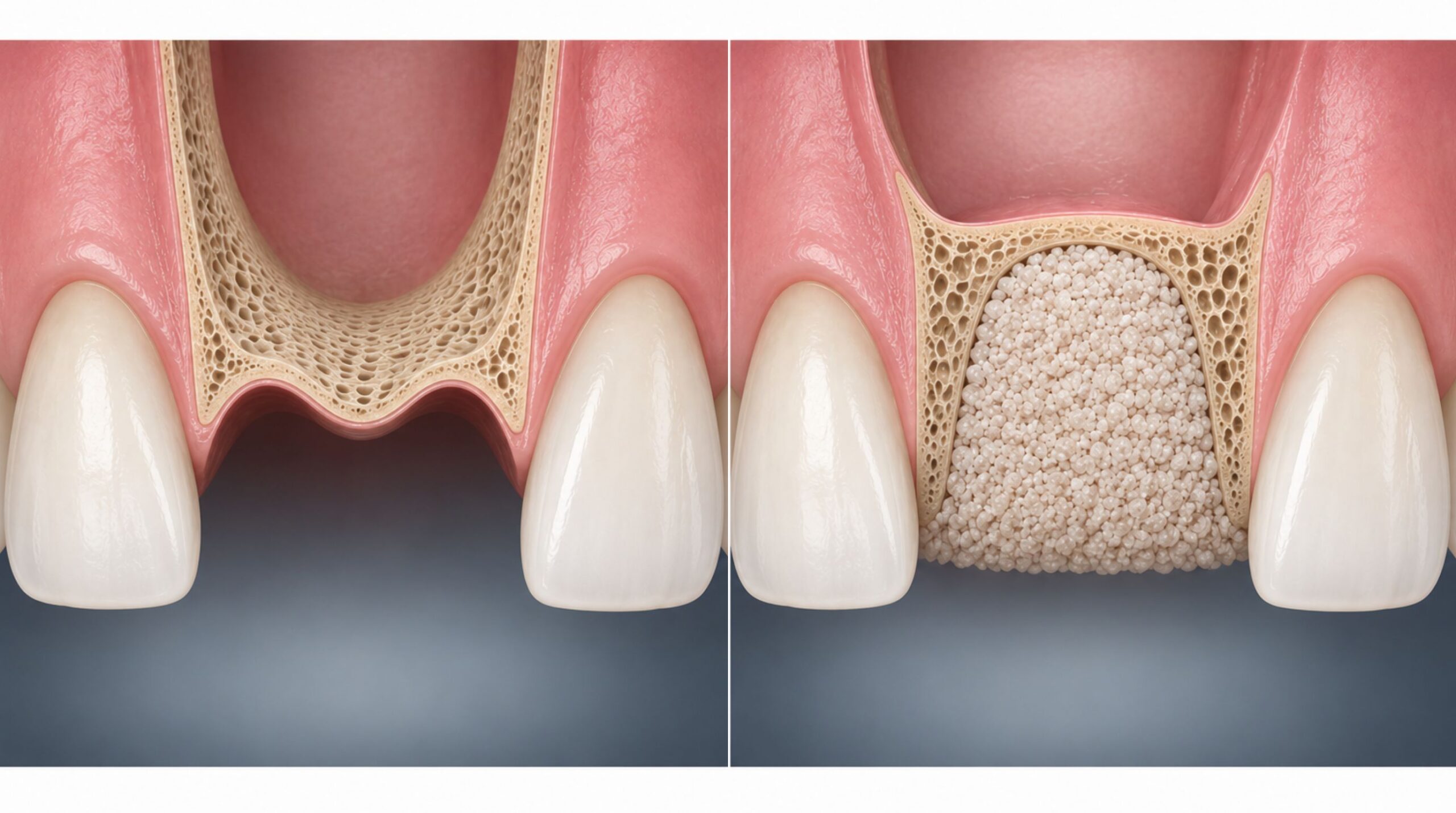
In the upper back jaw, the proximity of the sinus may also require a sinus lift. Careful imaging is used to assess sinus position and bone availability before proceeding, helping reduce the risk of complications.
These procedures are not necessary in every single-tooth case, but they may be part of the overall dental implant procedure when anatomy requires it. The goal is not simply to place an implant, but to position it correctly for long-term stability, proper function, and lasting results.
Step-by-Step: Single Tooth Implant Procedure
1. Consultation and 3D Imaging
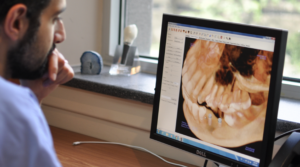
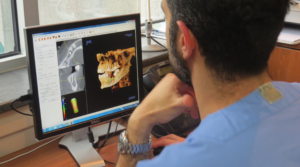
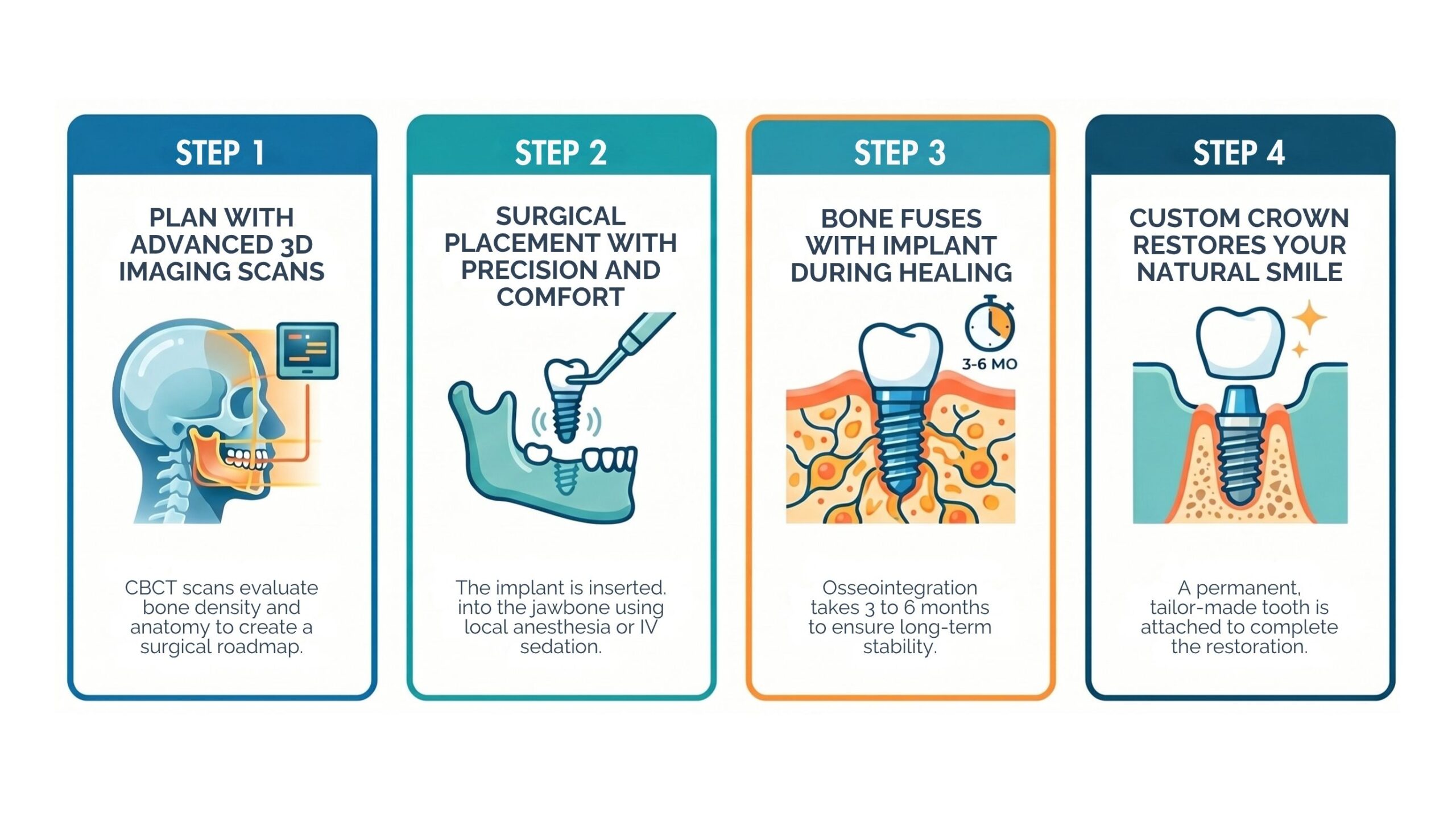
The process begins with a personalized consultation for a dental implant in Montreal, including a comprehensive oral examination and advanced 3D imaging, such as CBCT scans, to evaluate bone density and anatomy.
At a specialist clinic like Seaforth Oral Surgery, this phase is critical. Implant placement is carefully planned from both a surgical and prosthetic perspective—not improvised.
CBCT imaging allows the oral surgeon to assess bone volume, ridge shape, and proximity to important anatomical structures such as nerves and the sinus. It also helps determine whether additional procedures, such as bone grafting, may be required.
The consultation should also include a detailed treatment plan, along with a discussion of the provider’s experience, approach, and expected outcomes.
2. Implant Placement Surgery
Once the site is ready, the dental implant procedure in Montreal moves to the surgical phase. Implant placement is typically performed under local anesthesia to ensure the area is completely numb and comfortable.
For patients who feel anxious or are undergoing more complex procedures, some clinics, such as Seaforth, also offer IV sedation. This option allows patients to remain deeply relaxed throughout the procedure, reduces awareness of the surgery, and can make the overall experience significantly more comfortable while maintaining a high level of safety.
During the procedure, the implant is placed into the jawbone with precise angulation and depth to maximize stability and support proper healing.
In some cases, the implant can be placed immediately after tooth extraction, depending on clinical conditions. This approach may reduce the number of procedures and shorten overall treatment time.
3. Healing and Osseointegration
After implant placement, the healing phase begins. This stage is not visible but is the most biologically critical part of the process.
Over approximately 3 to 6 months, the surrounding bone gradually fuses with the implant surface through a process called osseointegration, creating long-term stability.
During early recovery, patients are typically advised to keep their head elevated, follow a soft diet, and protect the surgical site to support healing.
Once healing is complete, the final restoration phase can begin.
4. Final Crown Placement
After successful integration, a custom dental crown is created to match the shape, colour, and contour of the surrounding natural teeth.
The crown is then securely attached to the abutment, restoring both function and appearance.
The goal is not only to replace the missing tooth, but to recreate a natural-looking smile that blends seamlessly with adjacent teeth.
With proper planning, a single tooth implant can function independently without affecting neighbouring teeth, while delivering highly natural and long-lasting results.
Dental Implant Healing Timeline: What to Expect
The healing timeline for a dental implant in Montreal occurs in stages and varies slightly from patient to patient.
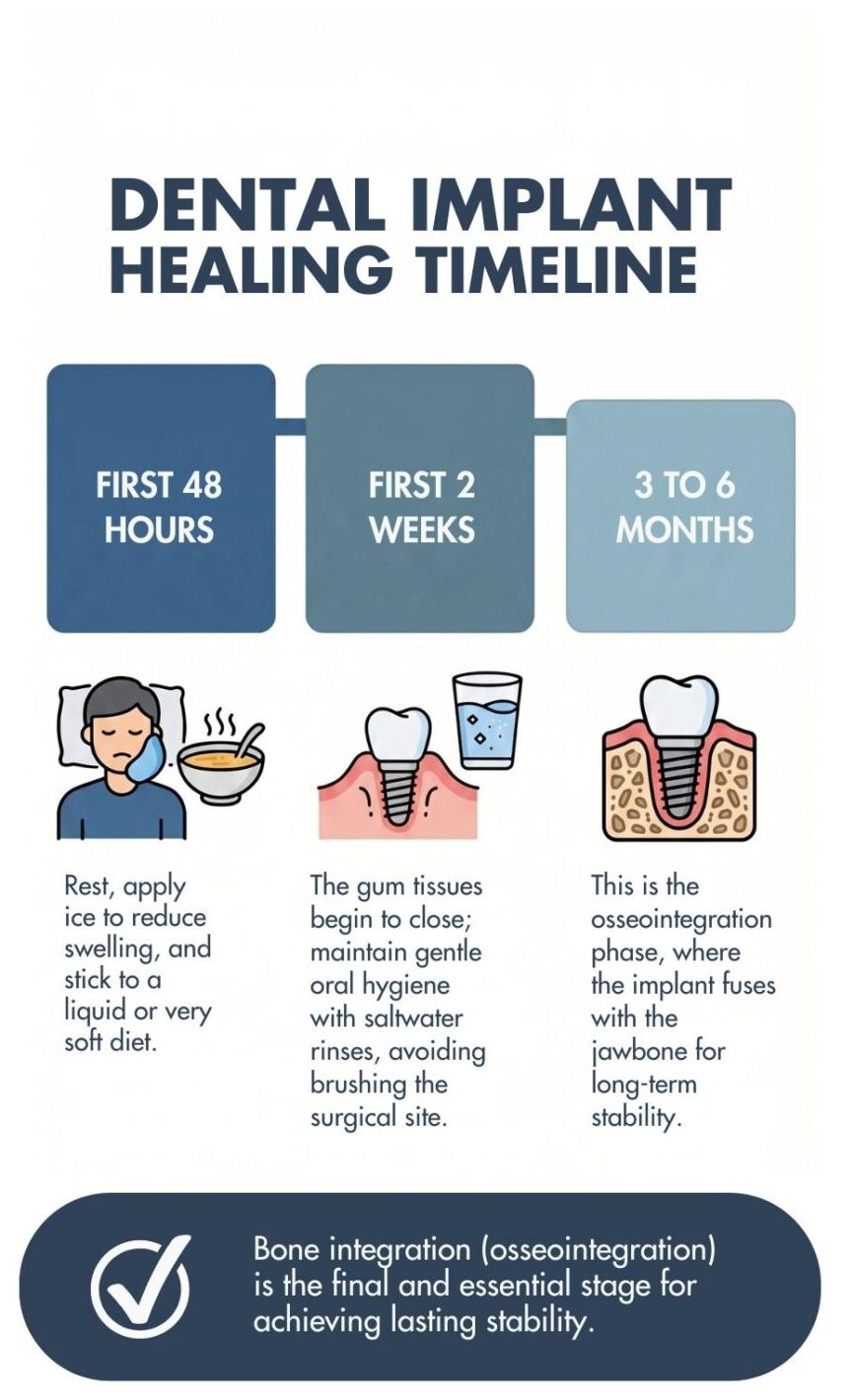
In the first 48 hours after surgery, mild swelling, tenderness, and limited chewing are common. Patients are typically advised to apply cold compresses, avoid pressure on the surgical site, and rest to support early healing.
During the first two weeks, the gum tissue begins to close, and initial soft tissue healing takes place. At this stage, maintaining gentle but consistent oral hygiene is important to prevent irritation or infection.
Between months 3 and 6, the deeper biological process continues as the implant integrates with the surrounding bone through osseointegration. This phase is critical for long-term stability and success.
Most patients can gradually return to a normal diet once cleared by their oral surgeon. However, early recovery usually involves a soft diet and careful attention to oral hygiene to protect the healing site.
Signs of Normal vs Delayed Healing
Normal healing after a dental implant procedure in Montreal typically includes mild discomfort, slight swelling, and steady improvement over time.
Signs of delayed healing may include persistent or worsening pain, unusual implant mobility, drainage, or prolonged inflammation around the surgical site.
If any of these symptoms occur, patients should contact their oral surgeon promptly for evaluation and guidance.
Dental Implant vs Bridge: Which Is Better for One Missing Tooth?
When replacing a single missing tooth, the choice between a dental implant vs bridge in Montreal often comes down to long-term function and biological preservation.
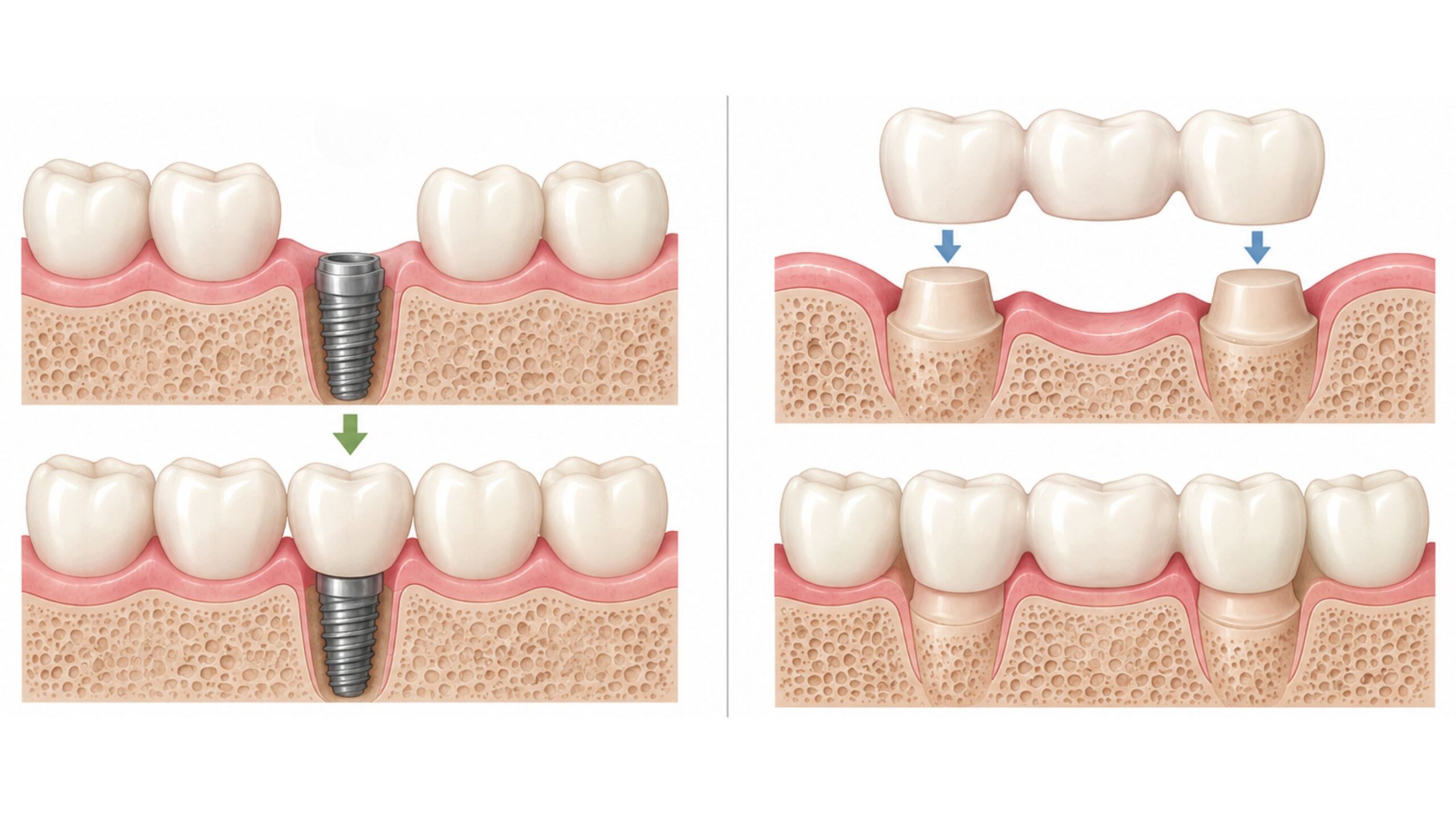 A dental bridge replaces the visible portion of the missing tooth, but it typically requires reshaping the adjacent teeth to support the restoration. This means removing healthy enamel from otherwise sound teeth.
By contrast, a dental implant in Montreal replaces both the root and the crown of the missing tooth without affecting neighbouring teeth. This allows for a more conservative and structurally complete solution.
Key Differences
A dental implant functions independently, which is why it is often the preferred option for single tooth replacement when the surrounding teeth are healthy.
A dental bridge may still be appropriate in certain situations, particularly if the adjacent teeth are already heavily restored or structurally compromised.
However, from a tissue preservation standpoint, dental implants are generally considered the more conservative approach because they do not rely on neighbouring teeth for support.
Longevity and Maintenance
Dental implants are often considered a long-term solution, although no dental treatment lasts indefinitely without proper care.
Research published in the Journal of Dentistry shows that implant survival rates remain high even after 10 years when maintained appropriately.
Dental bridges, on the other hand, may need to be replaced over time due to wear or changes in the supporting teeth.
Maintaining a dental implant in Montreal requires consistent oral hygiene, including proper brushing, flossing, and regular professional cleanings to support long-term oral health and reduce the risk of peri-implant disease.
Risks and Complications of Dental Implants
Like any surgical procedure, a dental implant in Montreal carries potential risks. These may include infection, peri-implantitis (inflammation around the implant), delayed healing or integration, and complications related to nearby anatomical structures such as nerves or sinuses.
While implant failure is relatively uncommon with proper planning and case selection, it can still occur in certain situations. Patients with poor oral hygiene, untreated dental conditions, or uncontrolled systemic health issues may face a higher risk of complications and require more careful evaluation.
How an Oral Surgeon Minimizes Risk
A specialist approach to dental implants in Montreal is based on thorough anatomical assessment, strict surgical protocols, and precise execution.
A maxillofacial surgeon uses advanced diagnostic imaging, surgical expertise, and careful site preparation to reduce the risk of avoidable complications.
This level of planning is especially important in complex cases or when multiple implants are involved, but it is equally relevant for single tooth procedures.
When considering treatment, the focus should not be solely on the cost of dental implants, but also on the value of safety, predictability, and long-term success.
Why Choose an Oral Surgeon for Dental Implants in Montreal?
Choosing an oral surgeon for a dental implant in Montreal means working with a specialist who has advanced surgical training beyond general restorative dentistry.
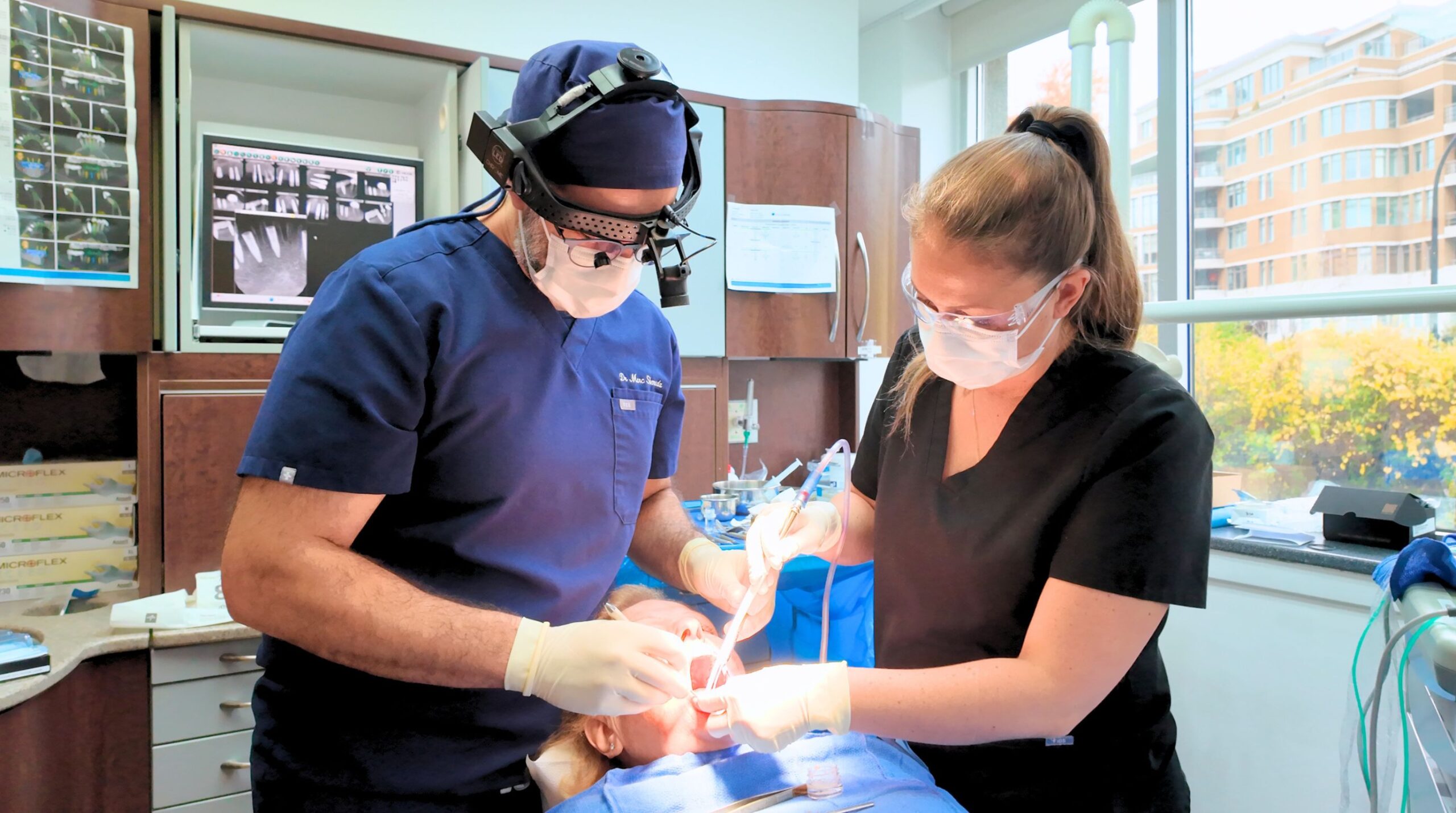
This level of expertise is especially important when diagnosis is complex, when bone grafting may be required, or when the implant site is close to critical anatomical structures such as the sinus or nerves.
In Montreal, opting for specialist care helps ensure that the dental implant procedure is performed with a focus on precision, biological principles, and patient safety—not just speed or convenience.
FAQs About Single Tooth Dental Implants in Montreal
How long does a single dental implant last?
With proper care, maintenance, and regular follow-up, a single dental implant in Montreal can last many years—and often decades.
Does the procedure hurt?
The procedure itself is typically well controlled because the surgeon administers local anesthesia or IV sedation when needed. Most patients report that postoperative discomfort is manageable and temporary.
Can I go back to work after surgery?
Many patients are able to return to work within a short period of time, depending on the complexity of the procedure and the physical demands of their job.
What happens if I delay replacing a missing tooth?
Delaying treatment can increase the risk of bone loss, shifting of neighbouring teeth, and more complex procedures in the future.
Are dental implants safe for older adults?
Yes, in many cases. Age alone is not a limiting factor—overall health, medical stability, and healing capacity are more important considerations.
Key Takeaways
A single dental implant in Montreal is often considered the most biologically complete way to replace a missing tooth, as it restores both the root and the crown while preserving adjacent natural teeth.
Seeking early treatment can help prevent bone loss, reduce the risk of complications, and simplify the overall dental implant process.
For patients considering a dental implant in Montreal, choosing specialist care with an oral surgeon can improve precision, safety, and long-term outcomes.
If you are missing one tooth and want to understand whether a dental implant is the right solution, contact Seaforth Oral Surgery in Montreal for a personalized consultation.
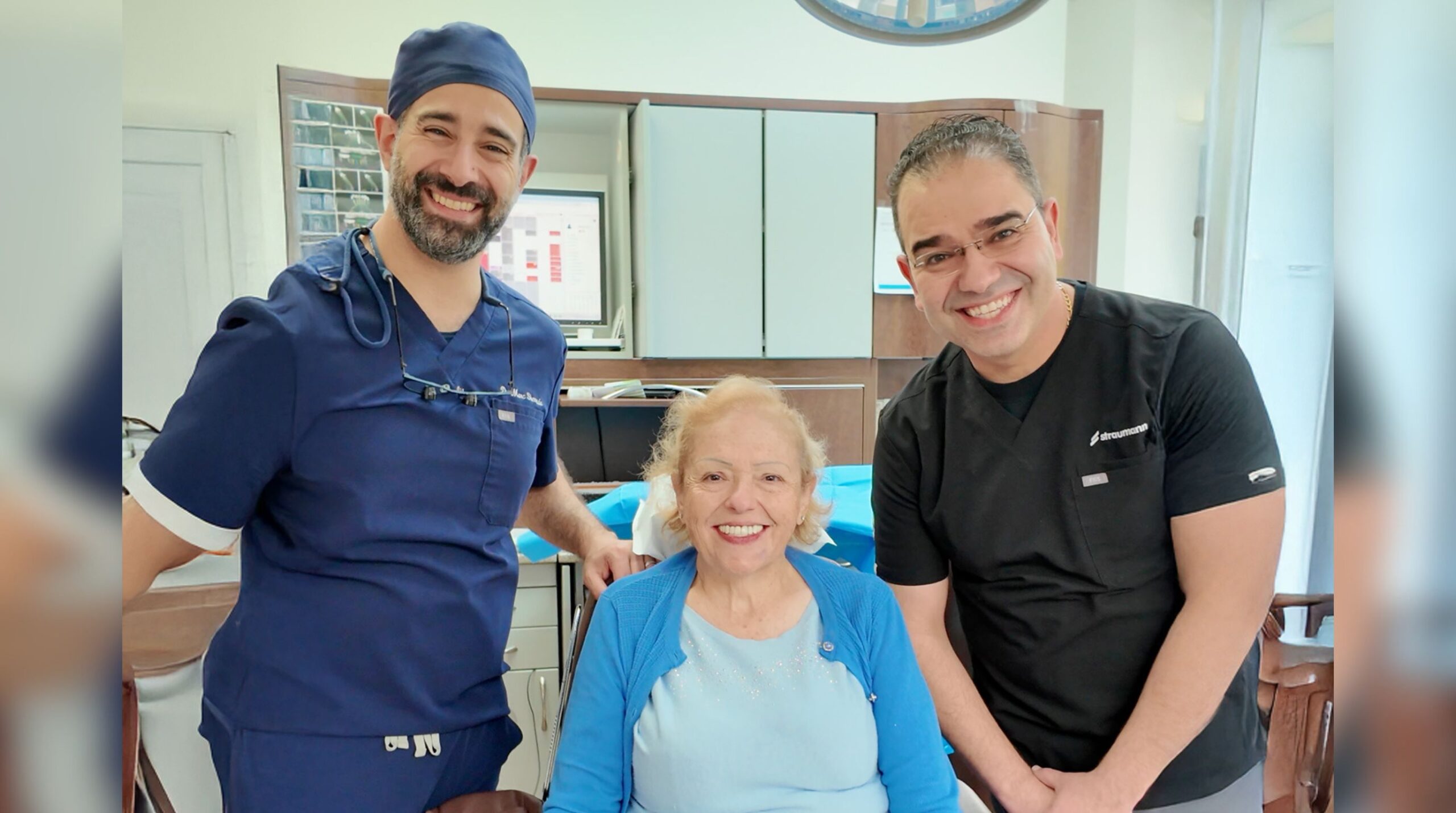
Losing a single tooth may seem minor at first, but it can quickly impact your bite, your confidence, and the overall health of your smile. For many patients considering a dental implant in Montreal, the concern goes beyond appearance—it becomes a question of function, comfort, and long-term results. In specialist oral surgery, a single tooth implant is often considered the most complete and reliable solution for replacing one missing tooth while preserving bone structure and ensuring long-term stability.
Summary
A single tooth dental implant in Montreal replaces both the visible tooth and its root, with the implant securely anchored into the jawbone for optimal stability and long-term success. This distinction is important.
Unlike other tooth replacement options, dental implants can help prevent bone loss, protect adjacent natural teeth, and provide a strong foundation for a custom dental crown.
The dental implant procedure in Montreal is typically completed in stages by an oral surgeon, with healing over several months as the implant integrates with the jawbone.
While the full healing process takes time, some patients may be eligible for same-day temporary teeth that restore the appearance of their smile while the implant heals.
Ultimately, patients benefit from results that are durable, functional, and highly natural in appearance.
What Is a Single Tooth Dental Implant?
A dental implant in Montreal for a single missing tooth typically consists of three components: a small titanium post placed in the jawbone, a connector called an abutment, and a custom-made dental crown.
The implant itself acts as an artificial root, replacing the missing tooth root beneath the surface. For this reason, an implant is not just a cosmetic solution—it serves as the structural foundation of the restoration.
Its long-term success depends on the health of the surrounding bone, gums, and overall oral condition, not just the site of the missing tooth.
The biological process behind a dental implant procedure is called osseointegration. In simple terms, the surrounding bone gradually fuses with the titanium implant, creating strong and stable support over time.
This healing process allows the implant to function as a long-term anchor rather than a removable replacement. In oral surgery, replacing the root is essential, because once a tooth is lost, there is no longer anything stimulating the underlying bone in the same way.
Why Replacing One Tooth Matters More Than You Think
A single missing tooth does not remain biologically isolated. After tooth loss, the surrounding bone begins to change and shrink—a process known as bone resorption.
This bone loss is most significant in the first few months and can noticeably reduce the width and volume of the jawbone within the first year. That is why early treatment to replace a missing tooth is often simpler and more predictable than waiting.
At the same time, neighbouring teeth may begin to shift into the empty space. Opposing teeth can also move out of position, leading to gradual changes in your bite.
What starts as a single gap can eventually affect your bite alignment, oral hygiene, and overall dental health.
From a facial perspective, long-term tooth loss may also lead to a loss of support in the surrounding structures. In more advanced cases, especially when multiple teeth are missing, this can contribute to visible changes in facial appearance.
Even though these effects are more pronounced when several teeth are missing, leaving a single tooth untreated can still lead to long-term complications.
A dental implant in Montreal provides a stable, fixed solution that stimulates the jawbone, helping maintain proper function and long-term oral health.
Who Is a Good Candidate for a Dental Implant in Montreal?
A good candidate for a dental implant in Montreal typically has healthy gums, sufficient jawbone volume, and no uncontrolled medical conditions that could interfere with healing. The ideal patient does not need to be perfect, but should be in generally good health, maintain proper oral hygiene, and be committed to long-term care after treatment. While smoking does not automatically rule out dental implants, reducing or controlling the habit can significantly improve outcomes.
In oral surgery, candidacy is never assumed—it is carefully evaluated through a clinical examination, diagnostic imaging, and a detailed treatment plan. A collaborative dental implant team plays an essential role in assessing each patient and developing a personalized approach tailored to their specific needs.
This is important because dental implant procedures are not purely mechanical. They are biologically driven treatments influenced by bone quality, gum health, and overall systemic health.
When Bone Grafting May Be Needed
If bone loss has occurred after tooth loss, bone grafting may be recommended before or at the time of implant placement. This is particularly important when there is not enough bone height or width to properly support the implant.
In the upper back jaw, the proximity of the sinus may also require a sinus lift. Careful imaging is used to assess sinus position and bone availability before proceeding, helping reduce the risk of complications.
These procedures are not necessary in every single-tooth case, but they may be part of the overall dental implant procedure when anatomy requires it. The goal is not simply to place an implant, but to position it correctly for long-term stability, proper function, and lasting results.
Step-by-Step: Single Tooth Implant Procedure
1. Consultation and 3D Imaging
The process begins with a personalized consultation for a dental implant in Montreal, including a comprehensive oral examination and advanced 3D imaging, such as CBCT scans, to evaluate bone density and anatomy.
At a specialist clinic like Seaforth Oral Surgery, this phase is critical. Implant placement is carefully planned from both a surgical and prosthetic perspective—not improvised.
CBCT imaging allows the oral surgeon to assess bone volume, ridge shape, and proximity to important anatomical structures such as nerves and the sinus. It also helps determine whether additional procedures, such as bone grafting, may be required.
The consultation should also include a detailed treatment plan, along with a discussion of the provider’s experience, approach, and expected outcomes.
2. Implant Placement Surgery
Once the site is ready, the dental implant procedure in Montreal moves to the surgical phase. Implant placement is typically performed under local anesthesia to ensure the area is completely numb and comfortable.
For patients who feel anxious or are undergoing more complex procedures, some clinics, such as Seaforth, also offer IV sedation. This option allows patients to remain deeply relaxed throughout the procedure, reduces awareness of the surgery, and can make the overall experience significantly more comfortable while maintaining a high level of safety.
During the procedure, the implant is placed into the jawbone with precise angulation and depth to maximize stability and support proper healing.
In some cases, the implant can be placed immediately after tooth extraction, depending on clinical conditions. This approach may reduce the number of procedures and shorten overall treatment time.
3. Healing and Osseointegration
After implant placement, the healing phase begins. This stage is not visible but is the most biologically critical part of the process.
Over approximately 3 to 6 months, the surrounding bone gradually fuses with the implant surface through a process called osseointegration, creating long-term stability.
During early recovery, patients are typically advised to keep their head elevated, follow a soft diet, and protect the surgical site to support healing.
Once healing is complete, the final restoration phase can begin.
4. Final Crown Placement
After successful integration, a custom dental crown is created to match the shape, colour, and contour of the surrounding natural teeth.
The crown is then securely attached to the abutment, restoring both function and appearance.
The goal is not only to replace the missing tooth, but to recreate a natural-looking smile that blends seamlessly with adjacent teeth.
With proper planning, a single tooth implant can function independently without affecting neighbouring teeth, while delivering highly natural and long-lasting results.
Dental Implant Healing Timeline: What to Expect
The healing timeline for a dental implant in Montreal occurs in stages and varies slightly from patient to patient.
In the first 48 hours after surgery, mild swelling, tenderness, and limited chewing are common. Patients are typically advised to apply cold compresses, avoid pressure on the surgical site, and rest to support early healing.
During the first two weeks, the gum tissue begins to close, and initial soft tissue healing takes place. At this stage, maintaining gentle but consistent oral hygiene is important to prevent irritation or infection.
Between months 3 and 6, the deeper biological process continues as the implant integrates with the surrounding bone through osseointegration. This phase is critical for long-term stability and success.
Most patients can gradually return to a normal diet once cleared by their oral surgeon. However, early recovery usually involves a soft diet and careful attention to oral hygiene to protect the healing site.
Signs of Normal vs Delayed Healing
Normal healing after a dental implant procedure in Montreal typically includes mild discomfort, slight swelling, and steady improvement over time.
Signs of delayed healing may include persistent or worsening pain, unusual implant mobility, drainage, or prolonged inflammation around the surgical site.
If any of these symptoms occur, patients should contact their oral surgeon promptly for evaluation and guidance.
Dental Implant vs Bridge: Which Is Better for One Missing Tooth?
When replacing a single missing tooth, the choice between a dental implant vs bridge in Montreal often comes down to long-term function and biological preservation.
A dental bridge replaces the visible portion of the missing tooth, but it typically requires reshaping the adjacent teeth to support the restoration. This means removing healthy enamel from otherwise sound teeth.
By contrast, a dental implant in Montreal replaces both the root and the crown of the missing tooth without affecting neighbouring teeth. This allows for a more conservative and structurally complete solution.
Key Differences
A dental implant functions independently, which is why it is often the preferred option for single tooth replacement when the surrounding teeth are healthy.
A dental bridge may still be appropriate in certain situations, particularly if the adjacent teeth are already heavily restored or structurally compromised.
However, from a tissue preservation standpoint, dental implants are generally considered the more conservative approach because they do not rely on neighbouring teeth for support.
Longevity and Maintenance
Dental implants are often considered a long-term solution, although no dental treatment lasts indefinitely without proper care.
Research published in the Journal of Dentistry shows that implant survival rates remain high even after 10 years when maintained appropriately.
Dental bridges, on the other hand, may need to be replaced over time due to wear or changes in the supporting teeth.
Maintaining a dental implant in Montreal requires consistent oral hygiene, including proper brushing, flossing, and regular professional cleanings to support long-term oral health and reduce the risk of peri-implant disease.
Risks and Complications of Dental Implants
Like any surgical procedure, a dental implant in Montreal carries potential risks. These may include infection, peri-implantitis (inflammation around the implant), delayed healing or integration, and complications related to nearby anatomical structures such as nerves or sinuses.
While implant failure is relatively uncommon with proper planning and case selection, it can still occur in certain situations. Patients with poor oral hygiene, untreated dental conditions, or uncontrolled systemic health issues may face a higher risk of complications and require more careful evaluation.
How an Oral Surgeon Minimizes Risk
A specialist approach to dental implants in Montreal is based on thorough anatomical assessment, strict surgical protocols, and precise execution.
A maxillofacial surgeon uses advanced diagnostic imaging, surgical expertise, and careful site preparation to reduce the risk of avoidable complications.
This level of planning is especially important in complex cases or when multiple implants are involved, but it is equally relevant for single tooth procedures.
When considering treatment, the focus should not be solely on the cost of dental implants, but also on the value of safety, predictability, and long-term success.
Why Choose an Oral Surgeon for Dental Implants in Montreal?
Choosing an oral surgeon for a dental implant in Montreal means working with a specialist who has advanced surgical training beyond general restorative dentistry.
This level of expertise is especially important when diagnosis is complex, when bone grafting may be required, or when the implant site is close to critical anatomical structures such as the sinus or nerves.
In Montreal, opting for specialist care helps ensure that the dental implant procedure is performed with a focus on precision, biological principles, and patient safety—not just speed or convenience.
FAQs About Single Tooth Dental Implants in Montreal
How long does a single dental implant last?
With proper care, maintenance, and regular follow-up, a single dental implant in Montreal can last many years—and often decades.
Does the procedure hurt?
The procedure itself is typically well controlled because the surgeon administers local anesthesia or IV sedation when needed. Most patients report that postoperative discomfort is manageable and temporary.
Can I go back to work after surgery?
Many patients are able to return to work within a short period of time, depending on the complexity of the procedure and the physical demands of their job.
What happens if I delay replacing a missing tooth?
Delaying treatment can increase the risk of bone loss, shifting of neighbouring teeth, and more complex procedures in the future.
Are dental implants safe for older adults?
Yes, in many cases. Age alone is not a limiting factor—overall health, medical stability, and healing capacity are more important considerations.
Key Takeaways
A single dental implant in Montreal is often considered the most biologically complete way to replace a missing tooth, as it restores both the root and the crown while preserving adjacent natural teeth.
Seeking early treatment can help prevent bone loss, reduce the risk of complications, and simplify the overall dental implant process.
For patients considering a dental implant in Montreal, choosing specialist care with an oral surgeon can improve precision, safety, and long-term outcomes.
If you are missing one tooth and want to understand whether a dental implant is the right solution, contact Seaforth Oral Surgery in Montreal for a personalized consultation.