Dental implants in Montreal are a significant investment—typically ranging from $2,500 to $4,000 per tooth. Naturally, many patients ask: Are dental implants worth it in the long run?
The answer involves more than upfront cost alone. Compared to bridges or dentures, dental implants can offer longer-lasting results, better jawbone support, and a more natural everyday experience. This guide explains the real long-term value of implants, including dental implant lifespan, health benefits, and cost comparisons, so you can make a confident and informed decision.
Are Dental Implants Worth It?
- Dental implants can last 20+ years and often last a lifetime with proper care.
- While implants cost more upfront, they may lower long-term replacement and maintenance expenses.
- The benefits of dental implants include improved chewing, jawbone preservation, and greater comfort.
- Bridges and dentures generally require more maintenance and replacement over time.
- The best tooth replacement option depends on your oral health, goals, and budget.
What Makes Dental Implants Different?
When comparing missing teeth solutions in Montreal, most patients consider three options:
- Dental implants
- Dental bridges
- Dentures
Although all three replace missing teeth, they work very differently and offer different long-term outcomes.
Dental Implants
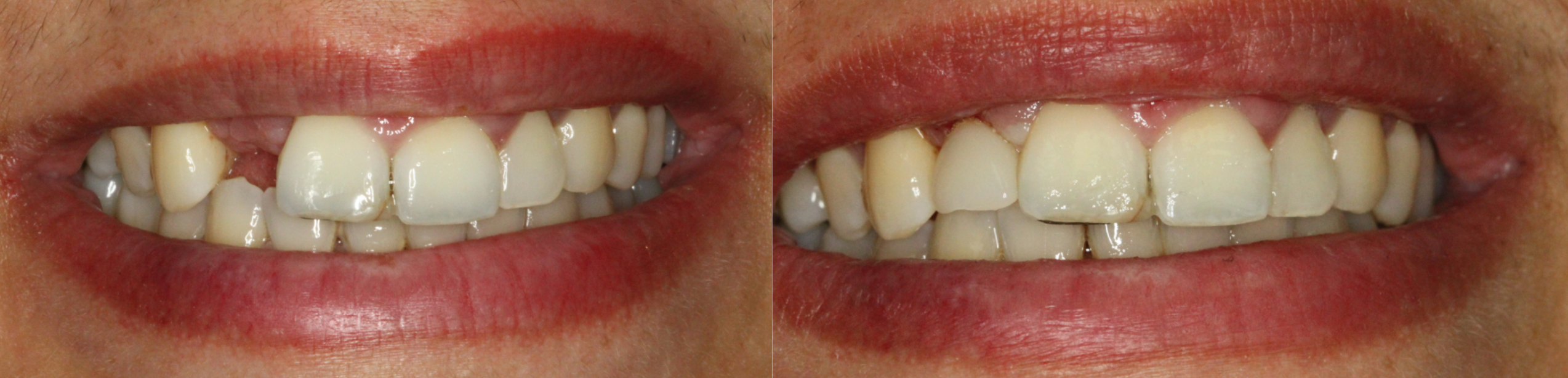
Dental implants are generally either titanium or ceramic screws placed into the jawbone to replace missing tooth roots. Once healed, they support a custom crown designed to look and function like a natural tooth.
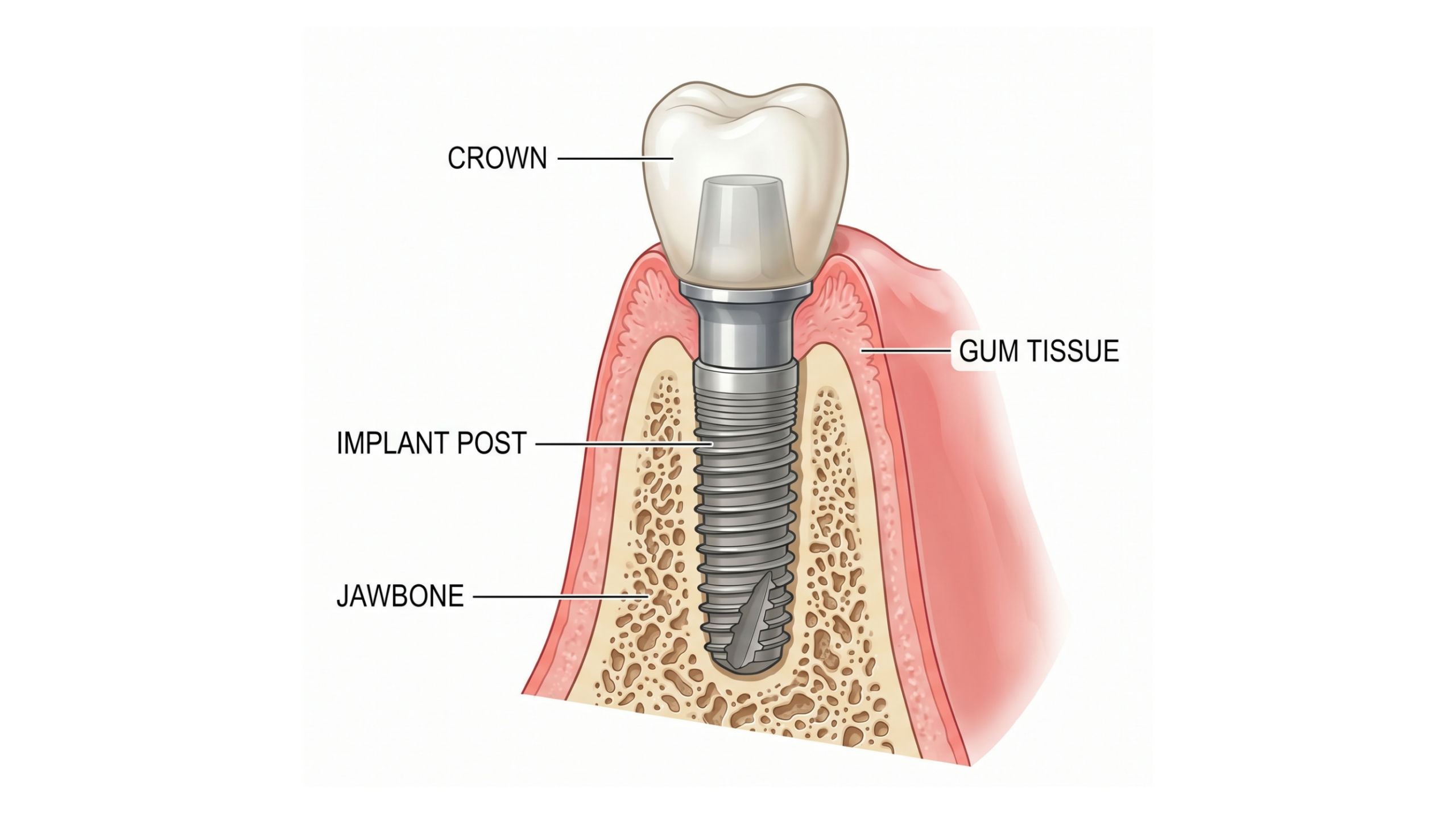
Because implants integrate directly with the jawbone, they provide:
- Long-term stability
- Strong chewing ability
- Jawbone preservation
- A natural appearance and feel
- No reliance on neighboring teeth
For many patients, dental implants are the closest thing to natural teeth available today.
Dental Bridges
A dental bridge replaces a missing tooth by anchoring an artificial tooth to the neighbouring teeth on either side of the gap. To support the bridge, the adjacent healthy teeth usually need to be permanently shaved down and covered with dental crowns.
Dental bridges can restore the appearance of your smile and improve chewing function effectively. However, unlike dental implants, bridges do not replace the natural tooth root beneath the gums. When a tooth root is missing, the jawbone in that area gradually begins to shrink over time due to bone loss.
As the bone and gum tissue change, the bridge will eventually need adjustments or replacement to maintain its fit, comfort, and appearance. In some cases, the supporting teeth can also develop wear, decay, or additional dental issues over time.
While dental bridges may have a lower upfront cost than implants, it is important to consider the long-term maintenance and future replacement costs that are involved.
Dentures
Although modern dentures are more comfortable and natural-looking than older designs, they can still shift while eating or speaking and require regular adjustments over time. Unlike dental implants, dentures must be removed daily for cleaning and are not permanently fixed in the mouth.
Similar to dental bridges, dentures do not replace the tooth roots within the jawbone. After tooth loss, the jawbone begins to shrink over time. As the bone and gum tissue change, the fit of the denture also changes, which can lead to looseness, sore spots, gum irritation, difficulty chewing, and reduced stability.
Because of these ongoing changes, dentures often need relining, adjustments, or complete replacement over time — adding long-term maintenance costs beyond the initial price of treatment.
Are Dental Implants Worth It in the Long Term?
For many people researching dental implants in Montreal, the upfront cost is the biggest concern. Implants cost more initially than bridges or dentures, but the long-term value often looks very different.
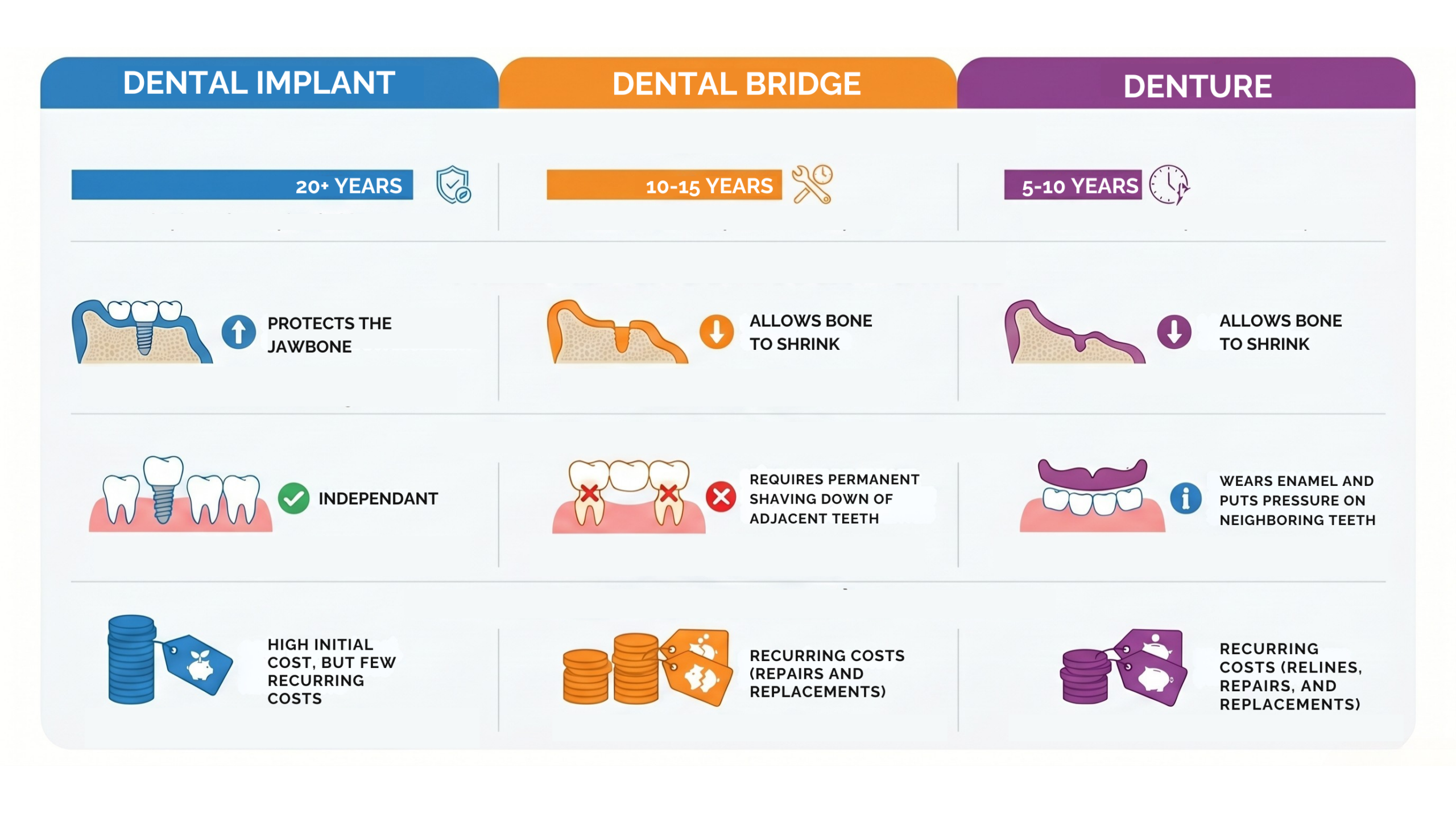
Dentures may need to be replaced in as little as 5 years, while dental bridges may require replacement after 10 years or sooner, depending on the condition of the supporting teeth. By comparison, dental implants can last a lifetime with proper care.
That longer lifespan reduces future costs related to:
- Repairs and replacements
- Denture relining or adjustments
- Adhesives and maintenance products
- Bone loss complications
- Additional restorative procedures
The Benefits Go Beyond Cost
The benefits of dental implants are not only financial. Many patients notice significant improvements in comfort, function, and confidence after treatment.
Common benefits include:
- Prevent bone loss in the jaw
- Improve chewing and speaking ability
- Long-lasting and durable solution
- Look, feel and function like natural teeth
- Help preserve surrounding healthy teeth
When evaluating the long-term cost of dental implants in Canada, many patients begin to see implants as a long-term investment in oral health and quality of life rather than simply a dental expense.
Dental implants may need to be delayed or avoided in patients with certain medical or oral health conditions, including uncontrolled diabetes, severe gum disease, untreated infections, or heavy smoking. Implants are also typically not recommended for patients under 18 until jaw growth is complete.
A consultation with an oral surgeon is the best way to determine whether implants are the right solution for your needs and goals.
How Long Do Dental Implants Last?
Average Dental Implant Lifespan
One of the biggest advantages of implants is their durability.
The average dental implant lifespan is typically 20+ years. In healthy patients with strong oral hygiene habits, implants can often last a lifetime.
The implant screw itself acts as a permanent artificial tooth root. While the dental crown attached to the implant may eventually wear down and need replacement over time, this typically happens less frequently than with dental bridges or dentures.
What Affects Implant Longevity?
Several factors can influence how long dental implants last:
- Oral hygiene habits
- Smoking or tobacco use
- Jawbone density
- Gum disease
- Teeth grinding or clenching
- Certain medical conditions, such as uncontrolled diabetes
Routine checkups and professional cleanings are important for maintaining implant health over time.
Hidden Benefits Patients Often Overlook
Many patients focus mainly on cost when considering implants. However, some of the most valuable benefits become more noticeable over time.
For many people, these everyday improvements are a major reason dental implants feel worthwhile long term.
Preventing Bone Loss
One major advantage of dental implants is jawbone preservation.
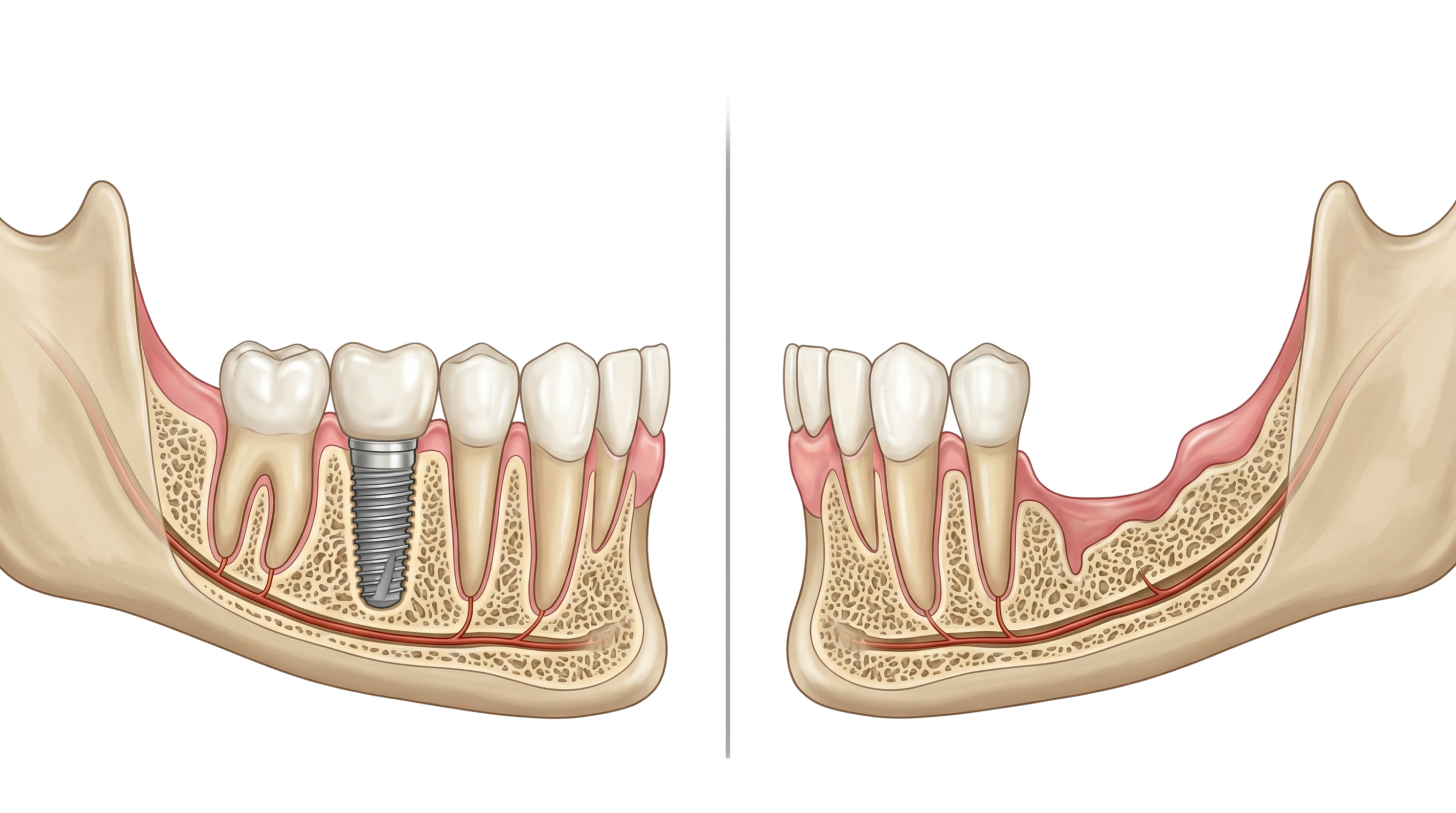
After tooth loss, the jawbone no longer receives stimulation from the tooth root. Over time, this causes the bone to shrink.
Because implants function like artificial tooth roots, they stimulate the jawbone and prevent further bone loss.
Preserving Facial Structure
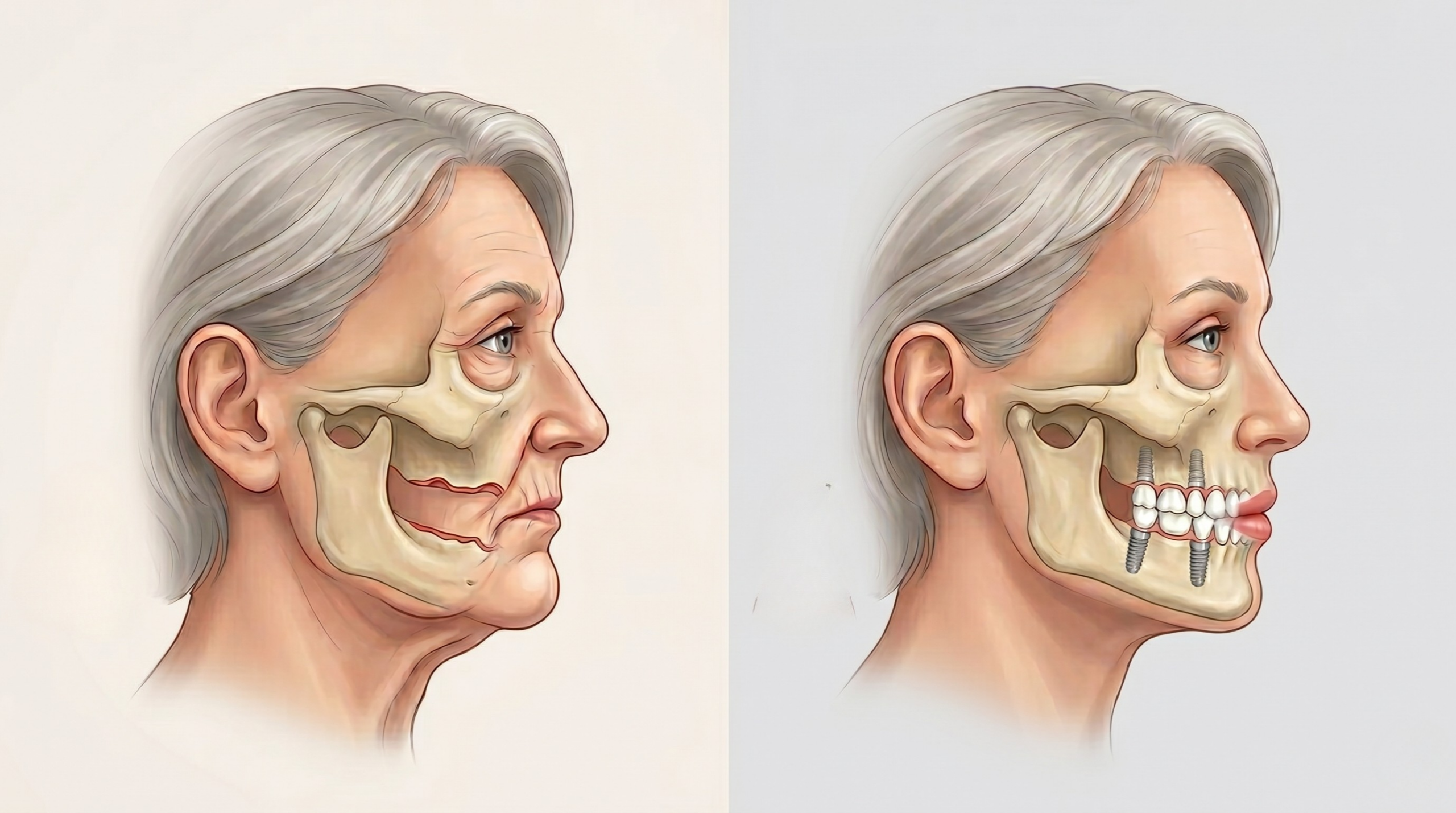
Over time, this bone loss can begin to affect facial appearance, leading to a sunken or prematurely aged look around the mouth and cheeks.
By preserving jawbone volume, dental implants help maintain natural facial contours and support a more youthful facial appearance over the long term.
Eating More Comfortably
Patients with removable dentures often avoid foods that are difficult to chew.
Dental implants provide stronger stability and biting force, allowing many patients to enjoy a wider range of foods more comfortably and confidently.

Confidence and Quality of Life
Missing teeth can affect confidence, speech, and everyday comfort. Because dental implants look and feel more like natural teeth, many patients feel more comfortable smiling, speaking, and eating in public after treatment.
Unlike other options, implants are securely anchored in the jawbone, providing greater stability and a more natural feel in daily life.
Dental Implants vs Bridges vs Dentures: Long-Term Costs and Maintenance
When comparing tooth replacement options, it is important to look beyond the upfront cost. Long-term durability, maintenance, and future replacement costs can all affect the overall value of treatment over time.
This is especially important when comparing dental implants, bridges, and dentures, as each option comes with different long-term costs and maintenance needs.
| Option | Typical Lifespan | Future Costs To Consider |
| Dentures | 5–10 years | Denture relines and adjustments, replacement dentures, repair of cracks or broken teeth, denture adhesive products, denture cleaning supplies |
| Bridges | 10–15 years | Bridge replacement, repairs for chips or cracks, treatment of decay or damage to supporting teeth, possible root canals on anchor teeth, replacement cementation or adjustments |
| Dental Implants | Implant post: 20–30+ years (often lifetime) Implant crown: 10–15 years | Replacement crown if worn or damaged |
Dentures
Dentures typically have the lowest upfront cost for replacing missing teeth. However, over time, they often require relining, adjustments, repairs, or replacement as the jawbone naturally shrinks after tooth loss.
Dental Bridges
Because the neighbouring teeth must be permanently reshaped and covered with dental crowns, they become more susceptible to wear, decay, fractures, and other dental complications over time. If one of the supporting teeth becomes damaged, additional treatment or replacement of the dental bridge may be required.
Since a bridge does not replace the natural tooth root, bone loss in the area of the missing tooth will also continue over time.
Dental Implants
Dental implants involve a higher initial cost, but they are designed for long-term stability, function, and durability. Unlike bridges or dentures, implants replace the tooth root, which helps preserve jawbone health.
For many patients, dental implants may help reduce future costs related to:
- Frequent replacements
- Appliance repairs
- Ongoing adjustments
- Bone loss and related oral health complications
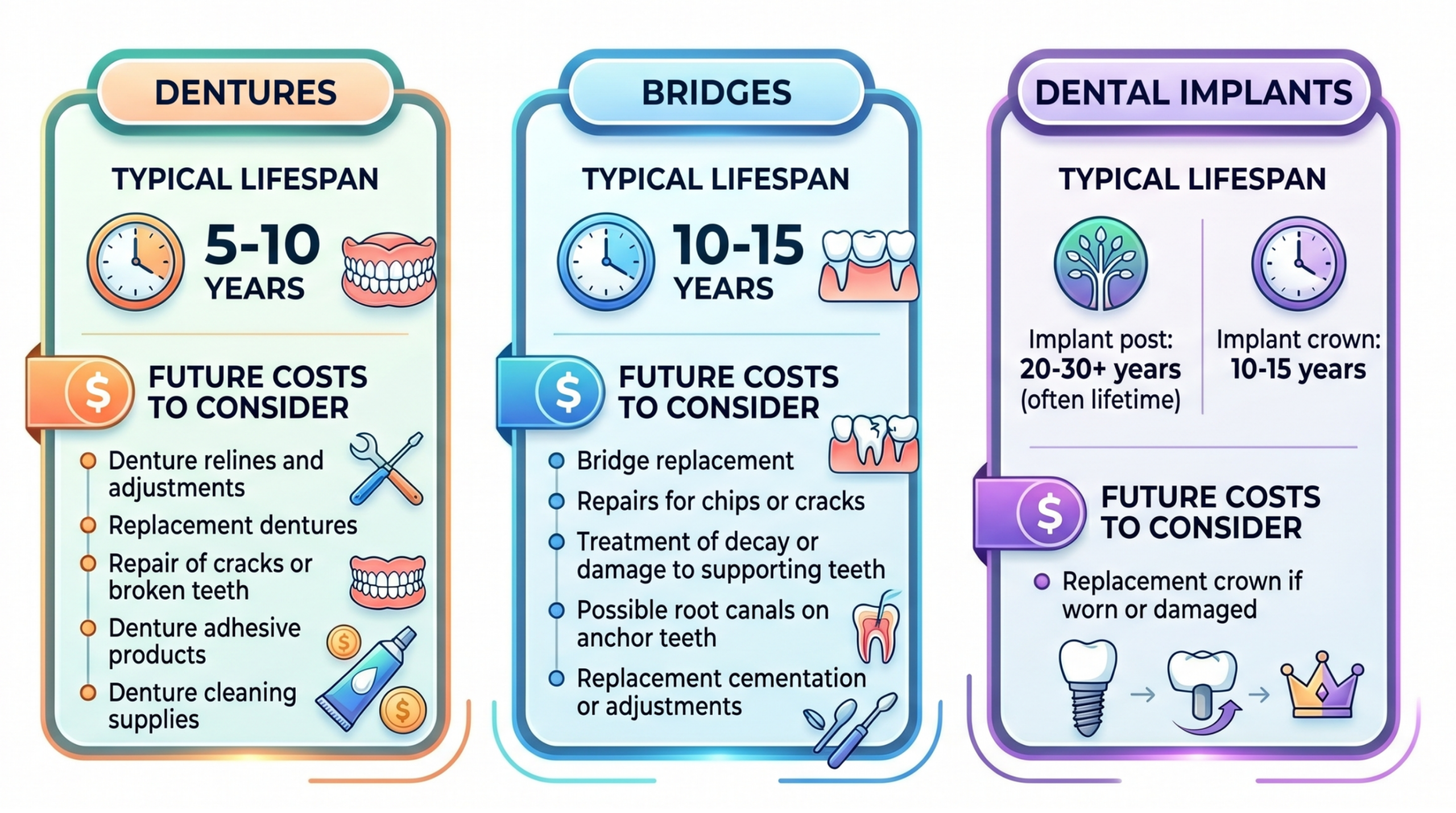
Ultimately, choosing between dentures, bridges, and dental implants often comes down to balancing upfront affordability with long-term comfort, maintenance, durability, and oral health benefits.
How to Know If Dental Implants Are Right for You
The best way to find out whether dental implants are the right solution for you is through a personalized consultation with an oral surgeon.
Several factors can affect candidacy for dental implants, including bone density, gum health, smoking history, and medical conditions.
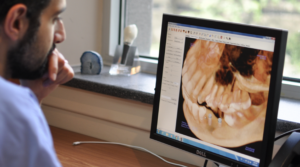
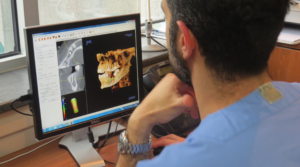
During your consultation, your oral surgeon may perform a clinical examination, review digital imaging or 3D scans, assess your bone and gum health, and discuss your treatment options, goals, and costs.
While dental bridges or dentures may still be suitable for some patients, dental implants often provide the best long-term combination of comfort, stability, function, and natural appearance.
Frequently Asked Questions About Dental Implants, Dental Bridges and Dentures
Are Dental Implants Really Worth the Cost?
Yes. While dental implants require a higher upfront investment, they often provide the best long-term durability, stability, and natural appearance. Unlike traditional dentures or dental bridges, dental implants replace the tooth root and help preserve the jawbone.
What Is the Difference Between a Dental Implant, a Dental Bridge, and a Denture?
A dental implant replaces a missing tooth using an artificial root placed in the jawbone. A dental bridge relies on neighbouring teeth to replace one or more missing teeth, while a denture is removable. The best option depends on factors such as your oral health needs and budget.
Do Dental Implants Last Longer Than a Dental Bridge?
Yes. With proper care and regular dental checkups, dental implants can last 20 years or longer — and often a lifetime. Dental bridges generally have a shorter lifespan and may need to be replaced after several years.
Are Dental Implants More Comfortable Than Dentures?
Yes. Dental implants provide a more stable and natural feel than removable dentures. They also help patients chew, speak, and smile more comfortably and confidently.
How Much Does a Dental Implant Cost in Montreal?
The cost of a dental implant in Montreal typically ranges from $2,500 to $4,000 per tooth, depending on several factors such as the number of teeth being replaced, bone quality, and whether preparatory treatments are needed. A personalized consultation is the best way to receive an accurate cost estimate.
Why Do Dental Implants Cost More Than a Bridge or Denture?
Dental implants usually cost more than a dental bridge or denture because they require surgery, specialized materials such as titanium, and personalized treatment planning using digital imaging.
Unlike other tooth replacement options, a dental implant also replaces the tooth root, helping preserve the jawbone and long-term stability. Although they involve a higher initial cost, dental implants often provide better durability, comfort, and a more natural appearance.
Can Multiple Teeth Be Replaced with Dental Implants?
Yes. Dental implants can replace a single tooth, multiple teeth, or even support a full denture. Different treatment options are available depending on the number of missing teeth and the patient’s needs.
How Long Does Healing Take After a Dental Implant?
Initial healing after dental implant surgery usually takes anywhere from a few days to a few weeks. However, the complete integration of the implant with the jawbone — called osseointegration — can take between 3 and 6 months.
Is Dental Implant Surgery Painful?
Dental implant surgery is usually much less painful than many patients expect. Thanks to local anesthesia and sedation options, the procedure is typically completed with very little discomfort. Most patients compare the recovery to that of a tooth extraction.
Are Financing Options Available for Dental Implants in Montreal?
Yes. Seaforth Oral Surgery offers financing options through Affirm, allowing patients to pay for their treatment with more manageable monthly payments.
Who Is a Good Candidate for Dental Implants?
Most healthy adults may be good candidates for dental implants. However, factors such as bone density, gum health, smoking, and certain medical conditions can affect eligibility for treatment. A consultation with an oral and maxillofacial surgeon can help determine the best option for your situation.
Are Dental Implants Worth It? Key Takeaways
Dental implants offer more than just a cosmetic solution for missing teeth. While the initial cost is often higher than bridges or dentures, implants can provide better long-term value thanks to their durability, comfort, and ability to preserve oral health.
Compared to other tooth replacement options, dental implants can:
- Last significantly longer
- Help preserve jawbone structure
- Improve chewing function
- Reduce the need for future replacements
- Feel and function more like natural teeth
Whether dental implants are the right choice depends on your oral health, lifestyle, and long-term goals.
If you are considering dental implants in Montreal, Seaforth Oral Surgery can help. Our team will evaluate your oral health, explain your treatment options clearly, and help you make an informed decision about your long-term smile restoration.

Dental implants in Montreal are a significant investment—typically ranging from $2,500 to $4,000 per tooth. Naturally, many patients ask: Are dental implants worth it in the long run?
The answer involves more than upfront cost alone. Compared to bridges or dentures, dental implants can offer longer-lasting results, better jawbone support, and a more natural everyday experience. This guide explains the real long-term value of implants, including dental implant lifespan, health benefits, and cost comparisons, so you can make a confident and informed decision.
Are Dental Implants Worth It?
- Dental implants can last 20+ years and often last a lifetime with proper care.
- While implants cost more upfront, they may lower long-term replacement and maintenance expenses.
- The benefits of dental implants include improved chewing, jawbone preservation, and greater comfort.
- Bridges and dentures generally require more maintenance and replacement over time.
- The best tooth replacement option depends on your oral health, goals, and budget.
What Makes Dental Implants Different?
When comparing missing teeth solutions in Montreal, most patients consider three options:
- Dental implants
- Dental bridges
- Dentures
Although all three replace missing teeth, they work very differently and offer different long-term outcomes.
Dental Implants
Dental implants are generally either titanium or ceramic screws placed into the jawbone to replace missing tooth roots. Once healed, they support a custom crown designed to look and function like a natural tooth.
Because implants integrate directly with the jawbone, they provide:
- Long-term stability
- Strong chewing ability
- Jawbone preservation
- A natural appearance and feel
- No reliance on neighboring teeth
For many patients, dental implants are the closest thing to natural teeth available today.
Dental Bridges
A dental bridge replaces a missing tooth by anchoring an artificial tooth to the neighbouring teeth on either side of the gap. To support the bridge, the adjacent healthy teeth usually need to be permanently shaved down and covered with dental crowns.
Dental bridges can restore the appearance of your smile and improve chewing function effectively. However, unlike dental implants, bridges do not replace the natural tooth root beneath the gums. When a tooth root is missing, the jawbone in that area gradually begins to shrink over time due to bone loss.
As the bone and gum tissue change, the bridge will eventually need adjustments or replacement to maintain its fit, comfort, and appearance. In some cases, the supporting teeth can also develop wear, decay, or additional dental issues over time.
While dental bridges may have a lower upfront cost than implants, it is important to consider the long-term maintenance and future replacement costs that are involved.
Dentures
Although modern dentures are more comfortable and natural-looking than older designs, they can still shift while eating or speaking and require regular adjustments over time. Unlike dental implants, dentures must be removed daily for cleaning and are not permanently fixed in the mouth.
Similar to dental bridges, dentures do not replace the tooth roots within the jawbone. After tooth loss, the jawbone begins to shrink over time. As the bone and gum tissue change, the fit of the denture also changes, which can lead to looseness, sore spots, gum irritation, difficulty chewing, and reduced stability.
Because of these ongoing changes, dentures often need relining, adjustments, or complete replacement over time — adding long-term maintenance costs beyond the initial price of treatment.
Are Dental Implants Worth It in the Long Term?
For many people researching dental implants in Montreal, the upfront cost is the biggest concern. Implants cost more initially than bridges or dentures, but the long-term value often looks very different.
Dentures may need to be replaced in as little as 5 years, while dental bridges may require replacement after 10 years or sooner, depending on the condition of the supporting teeth. By comparison, dental implants can last a lifetime with proper care.
That longer lifespan reduces future costs related to:
- Repairs and replacements
- Denture relining or adjustments
- Adhesives and maintenance products
- Bone loss complications
- Additional restorative procedures
The Benefits Go Beyond Cost
The benefits of dental implants are not only financial. Many patients notice significant improvements in comfort, function, and confidence after treatment.
Common benefits include:
- Prevent bone loss in the jaw
- Improve chewing and speaking ability
- Long-lasting and durable solution
- Look, feel and function like natural teeth
- Help preserve surrounding healthy teeth
When evaluating the long-term cost of dental implants in Canada, many patients begin to see implants as a long-term investment in oral health and quality of life rather than simply a dental expense.
Dental implants may need to be delayed or avoided in patients with certain medical or oral health conditions, including uncontrolled diabetes, severe gum disease, untreated infections, or heavy smoking. Implants are also typically not recommended for patients under 18 until jaw growth is complete.
A consultation with an oral surgeon is the best way to determine whether implants are the right solution for your needs and goals.
How Long Do Dental Implants Last?
Average Dental Implant Lifespan
One of the biggest advantages of implants is their durability.
The average dental implant lifespan is typically 20+ years. In healthy patients with strong oral hygiene habits, implants can often last a lifetime.
The implant screw itself acts as a permanent artificial tooth root. While the dental crown attached to the implant may eventually wear down and need replacement over time, this typically happens less frequently than with dental bridges or dentures.
What Affects Implant Longevity?
Several factors can influence how long dental implants last:
- Oral hygiene habits
- Smoking or tobacco use
- Jawbone density
- Gum disease
- Teeth grinding or clenching
- Certain medical conditions, such as uncontrolled diabetes
Routine checkups and professional cleanings are important for maintaining implant health over time.
Hidden Benefits Patients Often Overlook
Many patients focus mainly on cost when considering implants. However, some of the most valuable benefits become more noticeable over time.
For many people, these everyday improvements are a major reason dental implants feel worthwhile long term.
Preventing Bone Loss
One major advantage of dental implants is jawbone preservation.
After tooth loss, the jawbone no longer receives stimulation from the tooth root. Over time, this causes the bone to shrink.
Because implants function like artificial tooth roots, they stimulate the jawbone and prevent further bone loss.
Preserving Facial Structure
Over time, this bone loss can begin to affect facial appearance, leading to a sunken or prematurely aged look around the mouth and cheeks.
By preserving jawbone volume, dental implants help maintain natural facial contours and support a more youthful facial appearance over the long term.
Eating More Comfortably
Patients with removable dentures often avoid foods that are difficult to chew.
Dental implants provide stronger stability and biting force, allowing many patients to enjoy a wider range of foods more comfortably and confidently.
Confidence and Quality of Life
Missing teeth can affect confidence, speech, and everyday comfort. Because dental implants look and feel more like natural teeth, many patients feel more comfortable smiling, speaking, and eating in public after treatment.
Unlike other options, implants are securely anchored in the jawbone, providing greater stability and a more natural feel in daily life.
Dental Implants vs Bridges vs Dentures: Long-Term Costs and Maintenance
When comparing tooth replacement options, it is important to look beyond the upfront cost. Long-term durability, maintenance, and future replacement costs can all affect the overall value of treatment over time.
This is especially important when comparing dental implants, bridges, and dentures, as each option comes with different long-term costs and maintenance needs.
| Option | Typical Lifespan | Future Costs To Consider |
| Dentures | 5–10 years | Denture relines and adjustments, replacement dentures, repair of cracks or broken teeth, denture adhesive products, denture cleaning supplies |
| Bridges | 10–15 years | Bridge replacement, repairs for chips or cracks, treatment of decay or damage to supporting teeth, possible root canals on anchor teeth, replacement cementation or adjustments |
| Dental Implants | Implant post: 20–30+ years (often lifetime) Implant crown: 10–15 years | Replacement crown if worn or damaged |
Dentures
Dentures typically have the lowest upfront cost for replacing missing teeth. However, over time, they often require relining, adjustments, repairs, or replacement as the jawbone naturally shrinks after tooth loss.
Dental Bridges
Because the neighbouring teeth must be permanently reshaped and covered with dental crowns, they become more susceptible to wear, decay, fractures, and other dental complications over time. If one of the supporting teeth becomes damaged, additional treatment or replacement of the dental bridge may be required.
Since a bridge does not replace the natural tooth root, bone loss in the area of the missing tooth will also continue over time.
Dental Implants
Dental implants involve a higher initial cost, but they are designed for long-term stability, function, and durability. Unlike bridges or dentures, implants replace the tooth root, which helps preserve jawbone health.
For many patients, dental implants may help reduce future costs related to:
- Frequent replacements
- Appliance repairs
- Ongoing adjustments
- Bone loss and related oral health complications
Ultimately, choosing between dentures, bridges, and dental implants often comes down to balancing upfront affordability with long-term comfort, maintenance, durability, and oral health benefits.
How to Know If Dental Implants Are Right for You
The best way to find out whether dental implants are the right solution for you is through a personalized consultation with an oral surgeon.
Several factors can affect candidacy for dental implants, including bone density, gum health, smoking history, and medical conditions.
During your consultation, your oral surgeon may perform a clinical examination, review digital imaging or 3D scans, assess your bone and gum health, and discuss your treatment options, goals, and costs.
While dental bridges or dentures may still be suitable for some patients, dental implants often provide the best long-term combination of comfort, stability, function, and natural appearance.
Frequently Asked Questions About Dental Implants, Dental Bridges and Dentures
Are Dental Implants Really Worth the Cost?
Yes. While dental implants require a higher upfront investment, they often provide the best long-term durability, stability, and natural appearance. Unlike traditional dentures or dental bridges, dental implants replace the tooth root and help preserve the jawbone.
What Is the Difference Between a Dental Implant, a Dental Bridge, and a Denture?
A dental implant replaces a missing tooth using an artificial root placed in the jawbone. A dental bridge relies on neighbouring teeth to replace one or more missing teeth, while a denture is removable. The best option depends on factors such as your oral health needs and budget.
Do Dental Implants Last Longer Than a Dental Bridge?
Yes. With proper care and regular dental checkups, dental implants can last 20 years or longer — and often a lifetime. Dental bridges generally have a shorter lifespan and may need to be replaced after several years.
Are Dental Implants More Comfortable Than Dentures?
Yes. Dental implants provide a more stable and natural feel than removable dentures. They also help patients chew, speak, and smile more comfortably and confidently.
How Much Does a Dental Implant Cost in Montreal?
The cost of a dental implant in Montreal typically ranges from $2,500 to $4,000 per tooth, depending on several factors such as the number of teeth being replaced, bone quality, and whether preparatory treatments are needed. A personalized consultation is the best way to receive an accurate cost estimate.
Why Do Dental Implants Cost More Than a Bridge or Denture?
Dental implants usually cost more than a dental bridge or denture because they require surgery, specialized materials such as titanium, and personalized treatment planning using digital imaging.
Unlike other tooth replacement options, a dental implant also replaces the tooth root, helping preserve the jawbone and long-term stability. Although they involve a higher initial cost, dental implants often provide better durability, comfort, and a more natural appearance.
Can Multiple Teeth Be Replaced with Dental Implants?
Yes. Dental implants can replace a single tooth, multiple teeth, or even support a full denture. Different treatment options are available depending on the number of missing teeth and the patient’s needs.
How Long Does Healing Take After a Dental Implant?
Initial healing after dental implant surgery usually takes anywhere from a few days to a few weeks. However, the complete integration of the implant with the jawbone — called osseointegration — can take between 3 and 6 months.
Is Dental Implant Surgery Painful?
Dental implant surgery is usually much less painful than many patients expect. Thanks to local anesthesia and sedation options, the procedure is typically completed with very little discomfort. Most patients compare the recovery to that of a tooth extraction.
Are Financing Options Available for Dental Implants in Montreal?
Yes. Seaforth Oral Surgery offers financing options through Affirm, allowing patients to pay for their treatment with more manageable monthly payments.
Who Is a Good Candidate for Dental Implants?
Most healthy adults may be good candidates for dental implants. However, factors such as bone density, gum health, smoking, and certain medical conditions can affect eligibility for treatment. A consultation with an oral and maxillofacial surgeon can help determine the best option for your situation.
Are Dental Implants Worth It? Key Takeaways
Dental implants offer more than just a cosmetic solution for missing teeth. While the initial cost is often higher than bridges or dentures, implants can provide better long-term value thanks to their durability, comfort, and ability to preserve oral health.
Compared to other tooth replacement options, dental implants can:
- Last significantly longer
- Help preserve jawbone structure
- Improve chewing function
- Reduce the need for future replacements
- Feel and function more like natural teeth
Whether dental implants are the right choice depends on your oral health, lifestyle, and long-term goals.
If you are considering dental implants in Montreal, Seaforth Oral Surgery can help. Our team will evaluate your oral health, explain your treatment options clearly, and help you make an informed decision about your long-term smile restoration.